Around 35,000 Seafarers, Passengers Stranded in Gulf Amid Regional Conflict: IMO
Since the outbreak of hostilities on Saturday, the maritime regulator has recorded seven ship-related incidents in the region, resulting in two fatalities and seven injuries, according to the organization.
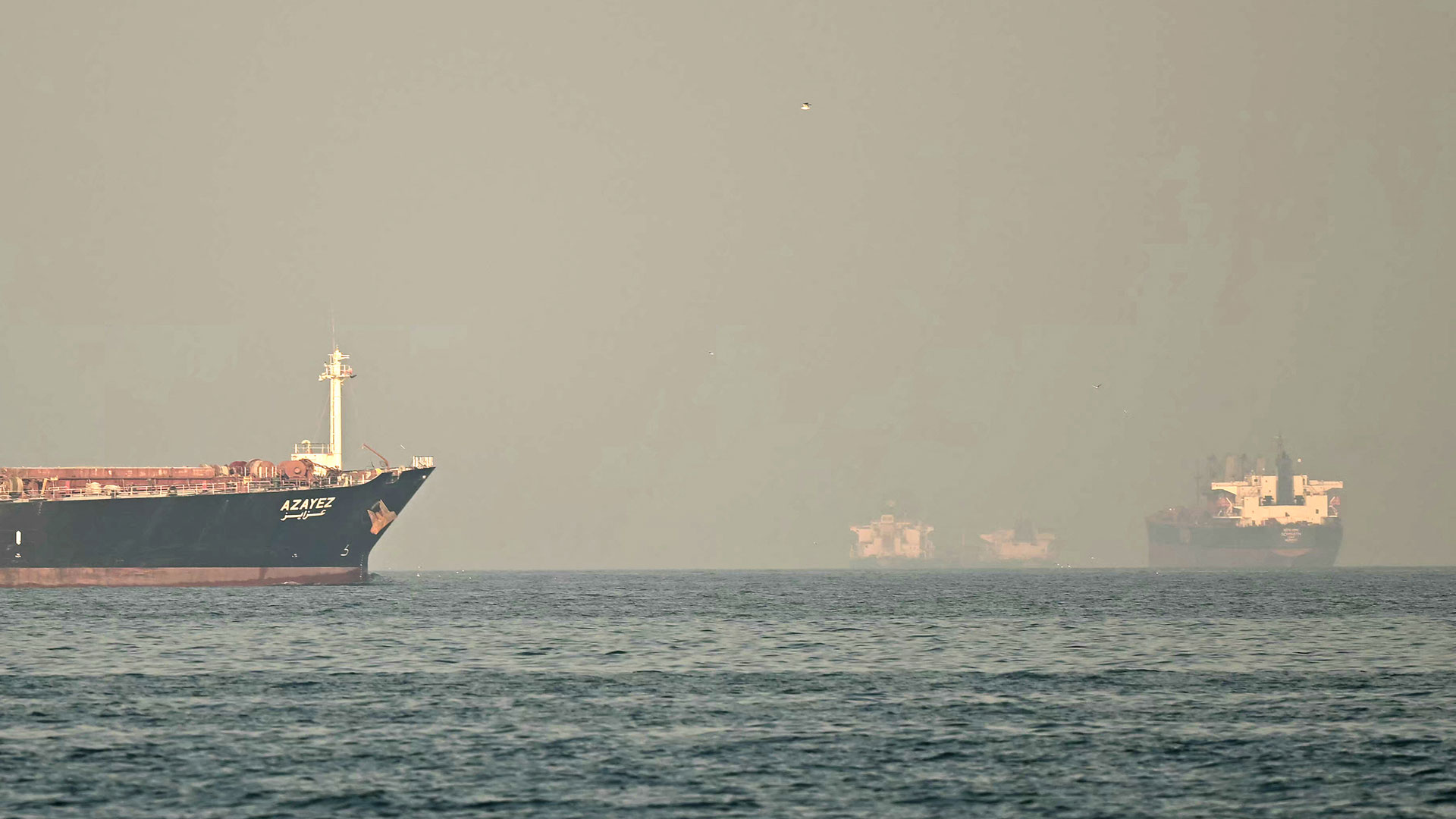
ERBIL (Kurdistan24) – The United Nations’ International Maritime Organization (IMO) said on Thursday that approximately 20,000 seafarers and 15,000 cruise ship passengers are currently stranded in the Gulf as the ongoing Middle East conflict disrupts maritime traffic and shipping operations.
According to the IMO, the escalation in regional tensions since Saturday has significantly affected maritime safety, particularly in and around the strategically vital Strait of Hormuz, a route through which roughly one-fifth of the world’s crude oil and major volumes of liquefied natural gas are transported.
IMO Secretary-General Arsenio Dominguez told AFP that the organization is coordinating with relevant parties to address the situation.
“The IMO is ready to work with all stakeholders to help ensure the safety and well-being of the seafarers affected,” Dominguez said.
Since the outbreak of hostilities on Saturday, the maritime regulator has recorded seven ship-related incidents in the region, resulting in two fatalities and seven injuries, according to the organization.
Dominguez stressed that the attacks raise serious humanitarian concerns beyond their economic consequences.
“Beyond the economic impact of these alarming attacks, it is a humanitarian issue. No attack on innocent seafarers is ever justified,” he said, urging shipping companies to exercise maximum caution when operating in the affected region.
The tensions have intensified after Iran effectively shut down the Strait of Hormuz, a critical global energy shipping corridor. Iran’s Islamic Revolutionary Guard Corps claimed on Wednesday that it had “complete control” of the strait, with reports indicating additional vessels have come under attack.
The disruption has prompted several shipping companies to suspend operations in the Gulf, including Danish shipping giant Maersk, which has halted new bookings in the region.
Energy analytics firm Kpler reported that oil tanker traffic through the strait has dropped by about 90 percent compared with last week, reflecting the severity of the disruption.
Amid rising global energy prices and growing security concerns, US President Donald Trump said on Tuesday that the United States Navy stands ready to escort oil tankers through the strategic waterway if necessary to ensure the continued flow of energy supplies.