UN Begins New Phase of Engagement in Iraq Following Conclusion of UNAMI Mandate
In a statement, UNAMI said that while its mandate has ended, the UN’s work in Iraq will continue under the leadership of the UN Resident Coordinator through the United Nations Country Team, in close partnership with the Iraqi government.
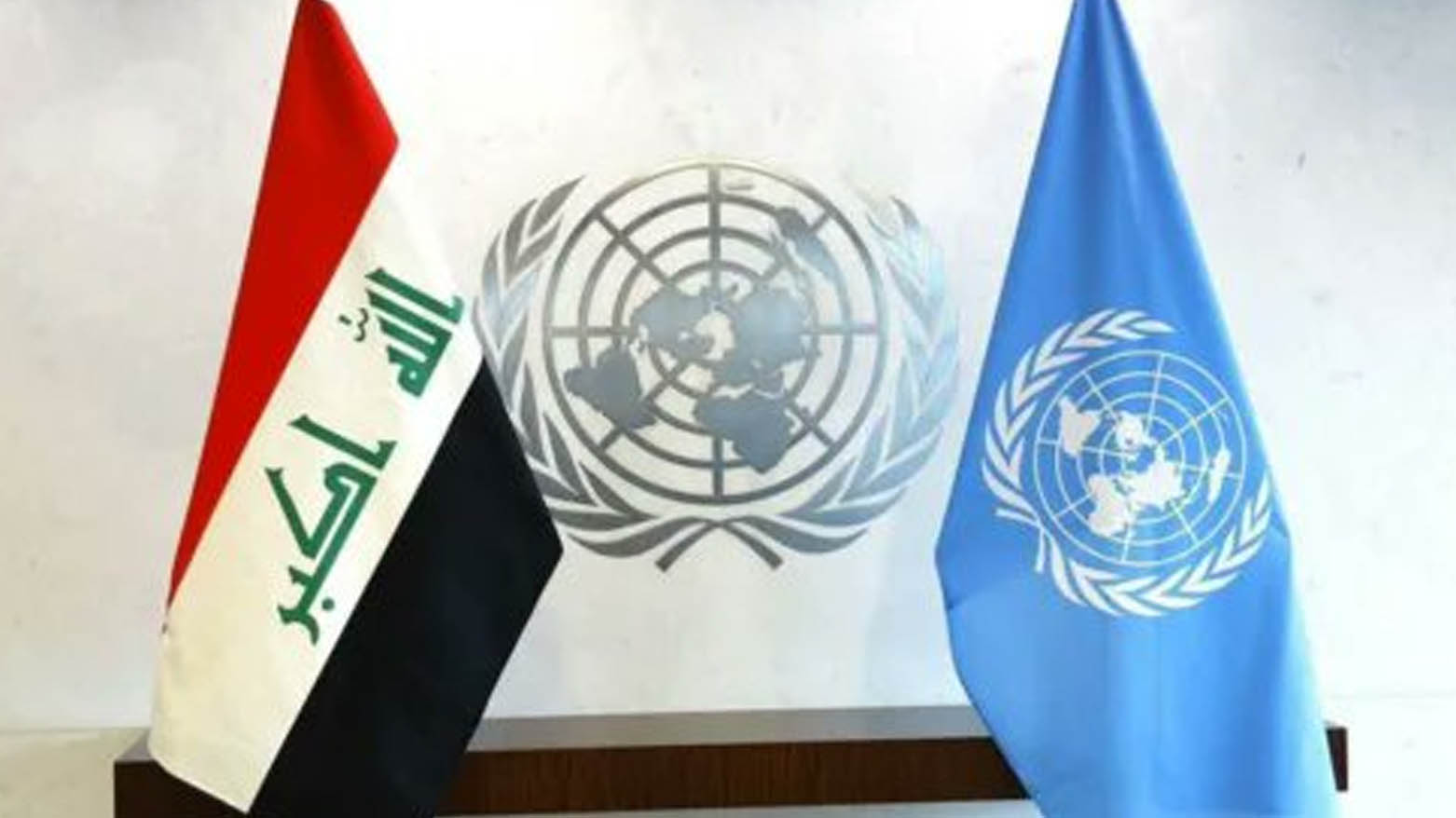
ERBIL (Kurdistan24) – The United Nations announced on Thursday the start of a new phase of its engagement in Iraq following the conclusion of the mandate of the United Nations Assistance Mission for Iraq (UNAMI), marking a shift toward long-term development cooperation under national leadership.
In a statement, UNAMI said that while its mandate has ended, the UN’s work in Iraq will continue under the leadership of the UN Resident Coordinator through the United Nations Country Team, in close partnership with the Iraqi government.
The UN emphasized that its future engagement will focus on advancing Iraq’s national development priorities through the United Nations Sustainable Development Cooperation Framework, which was signed with the Government of Iraq on December 25, 2025.
According to the statement, the transition reflects a decisive move toward sustainable development driven by stronger Iraqi institutions, national ownership, and effective international partnerships. The UN pledged to continue supporting key areas including economic diversification, climate action, water management, social protection, governance reform, and durable solutions for displaced communities.
“The United Nations remains a trusted and committed partner to the Government of Iraq,” the statement said, underscoring the organization’s continued role in supporting Iraq’s stability and development.
UNAMI was established in 2003 following the US-led invasion of Iraq, with a mandate to support political dialogue, national reconciliation, elections, human rights, and humanitarian coordination. Over more than two decades, the mission played a central role in advising Iraqi institutions, facilitating electoral processes, monitoring human rights, and supporting post-conflict recovery efforts.
In recent years, Iraqi authorities and UN officials have increasingly emphasized the country’s transition from crisis management to development-focused cooperation. The conclusion of UNAMI’s mandate reflects this shift, as Iraq moves toward consolidating stability and strengthening state institutions with continued UN support through development and coordination mechanisms rather than a political mission.