U.S. to Oversee Key Deal Between Damascus and Kurds as March 10 Pact Moves to Implementation
Yasser Suleiman said implementation of the March 10 agreement will begin within days, with US oversight, addressing integration, oil revenue management, and national unity in Syria.
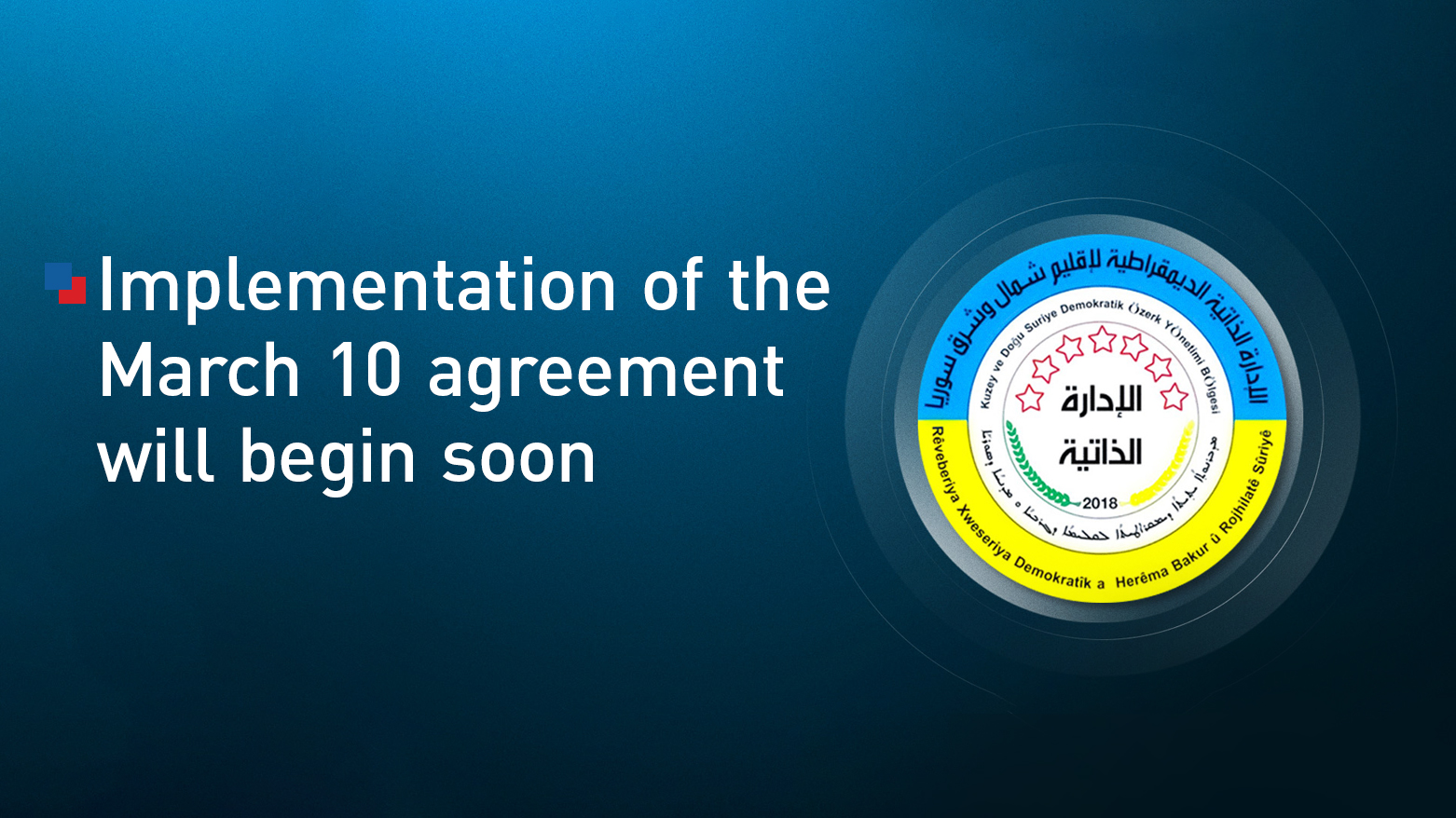
ERBIL (Kurdistan24) - As Syria’s political track edges into a new phase, the clock is set to start ticking on the March 10 agreement, with its provisions expected to move from paper to practice within days under direct international oversight.
In an interview with Syria TV, Yasser Suleiman, spokesperson for the negotiating delegation of the Autonomous Administration, announced that the implementation of the provisions of the March 10 agreement is expected to begin within the coming days. He stated that the United States will be present as a direct observer overseeing the process.
Suleiman explained that the coordination process between the Autonomous Administration and the Syrian government is entering a new stage. Speaking to Syria TV, he said the parties are awaiting the launch of implementation of the agreement’s clauses within a short timeframe. He added that the United States will play a supervisory and monitoring role during the execution of the agreement.
Addressing the structure of the Syrian armed forces, Suleiman said, “Syria can only have one army composed of different components.” He also expressed confidence in the patriotism of Syrian Interim President Ahmed al-Sharaa and voiced hope that the integration process would succeed, enabling Syria to prepare for a phase of reconstruction.
On economic matters, Suleiman disclosed that oil revenues will belong to all Syrians and will be managed under the umbrella of state institutions. He added, however, that a portion of oil income will be allocated to the regions where oil is produced, namely northern and eastern Syria, to be used for local services.
Suleiman also drew attention to existing issues with Turkey, expressing hope that these disputes would be resolved within the framework of Syria’s national interests.
The March 10 agreement, signed in 2025 between Mazloum Abdi and Ahmed al-Sharaa, consists of eight core provisions that outline the future political and administrative framework. The agreement guarantees equal rights by ensuring the participation of all Syrians in state institutions based on merit. It recognizes Kurds as an official component and guarantees their constitutional rights. It calls for a nationwide ceasefire and for the unification of civil and military institutions, including border crossings, airports, and oil fields, under state administration.
The agreement also stipulates the safe and dignified return of all displaced persons, commits the state to confronting the remnants of the Assad regime, rejects hate speech and internal incitement to protect social cohesion, and sets a clear timeline requiring full implementation of all provisions by the end of the year.
With international oversight and a defined timeline, the coming days are set to test whether the March 10 agreement can translate consensus into concrete steps toward integration and reconstruction in Syria.