Solar Power in Sulaimani Surpasses 76 Megawatts as Adoption Accelerates
Sulaimani's registered solar output hit 76.39MW with 2,590 subscribers, mostly households. Officials say actual usage may be higher due to unregistered systems.
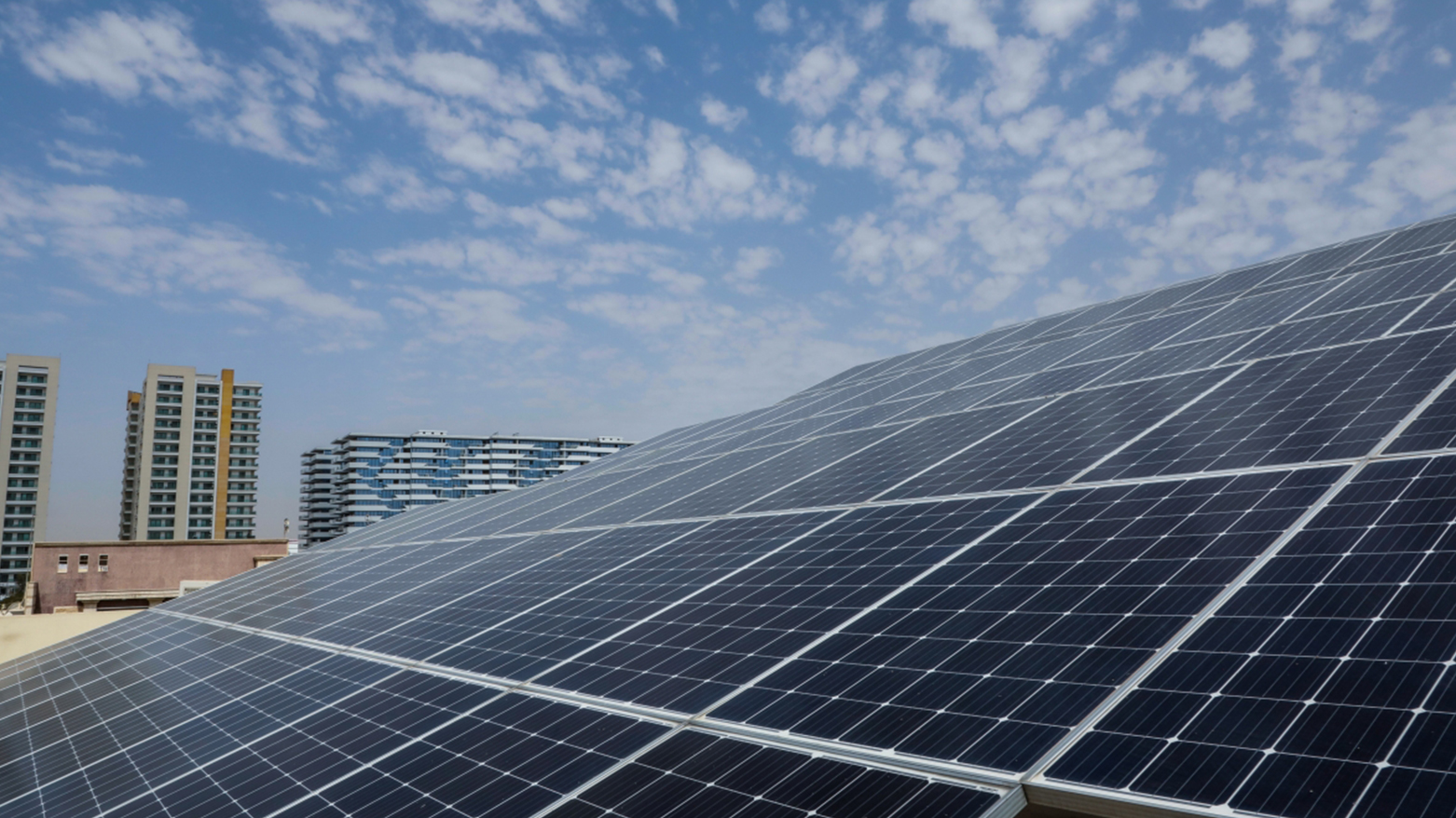
ERBIL (Kurdistan24) — Solar energy production within the governorate of Sulaimani has formally exceeded 76 megawatts, according to official data released on Sunday by the Sulaimani Electricity Directorate. The figures, which track the installation and registration of renewable energy systems across the region, indicate a sustained upward trend in the adoption of solar technology by private citizens and business owners alike.
Sirwan Ahmed, the Spokesperson for the Sulaimani Electricity Directorate, provided the detailed statistics in a special statement to Kurdistan24 on Sunday.
Highlighting the latest metrics compiled by the directorate’s Renewable Energy Section, Ahmed reported that the total electricity now being generated through officially registered solar systems has reached a precise capacity of 76.390 megawatts.
This milestone reflects a broader shift in the energy landscape of the governorate, as an increasing number of entities move to integrate renewable power sources into their daily operations.
In his assessment of the current situation, the spokesperson emphasized that the transition toward solar energy is gaining momentum on a daily basis.
Ahmed noted that citizens and business owners are increasingly turning toward installing solar energy systems, a trend that is evidenced by the growing number of subscribers formally entering the directorate’s database.
As of Sunday, the number of subscribers who have not only installed the system but have also completed the official registration process with the electricity authorities has reached 2,590.
The data provided by the Renewable Energy Section offers a granular breakdown of how these solar installations are distributed across different sectors of society. The statistics reveal that the residential sector is currently the primary driver of solar adoption in Sulaimani.
According to Ahmed, households account for the vast majority of the registered systems. Specifically, 2,173 individual households have subscribed to the system, representing the largest demographic of users harnessing solar power within the governorate boundaries.
Following the residential sector, the commercial sector represents the second-largest group of adopters. The figures released by the directorate show that 337 subscribers from the business community have installed and registered solar energy systems.
This suggests that business owners are increasingly viewing renewable energy as a viable component of their operational infrastructure.
The agricultural sector also features in the directorate’s statistics, though with fewer installations compared to housing and commerce.
Ahmed reported that 70 subscribers within the agricultural field have adopted the technology. This uptake indicates that farming and agricultural operations in the region are beginning to contribute to the overall renewable energy capacity, albeit at a lower volume than urban residential centers.
Industrial adoption remains at a nascent stage relative to the other sectors. The data indicates that only 15 subscribers from the industrial sector have registered their solar systems with the Sulaimani Electricity Directorate.
This figure places the industrial sector well behind households and commercial entities in terms of the raw number of registered installations.
The smallest category of adoption reported in the dataset is the public sector itself. According to the spokesperson, only five government departments have installed and registered solar energy systems to date.
This low figure suggests that while private citizens and commercial enterprises are moving relatively quickly to adopt the technology, the integration of solar power systems within government infrastructure remains limited in comparison to the private sector's contribution to the grid.
A critical component of Ahmed’s statement regarding these statistics was the distinction between registered and unregistered systems.
The spokesperson clarified that the figures presented on Sunday—specifically the 76.390 megawatts of production and the 2,590 subscribers—cover strictly those persons and entities that have officially visited the directorate to register their names.
Ahmed cautioned that these numbers likely underrepresent the total amount of solar energy actually being utilized within the governorate. He indicated that there might be another, unquantified number of subscribers who have physically installed solar energy systems on their properties but have not yet visited Sulaimani Electricity for the necessary registration procedures.
Consequently, while the official production capacity stands at just over 76 megawatts, the actual generation of solar power across Sulaimani could be higher when factoring in the unregistered units operating outside of the formal dataset.
The release of these statistics provides a comprehensive snapshot of the renewable energy sector's status in the region.
The accumulation of more than 76 megawatts of capacity marks a significant point of reference for the Renewable Energy Section as it continues to monitor the "day by day" increase in installations described by the spokesperson.
With 2,590 official subscribers now on the books, the directorate’s data establishes a clear hierarchy of adoption, led overwhelmingly by private households, followed by commercial businesses, with agricultural, industrial, and government actors playing smaller roles in the current registered landscape.