Kurdistan Region Criticizes Baghdad over Customs Disputes and Border Revenue Controls
Legal Advisor Says Unilateral Decisions by Iraqi Government Harm Regional Trade and Economy
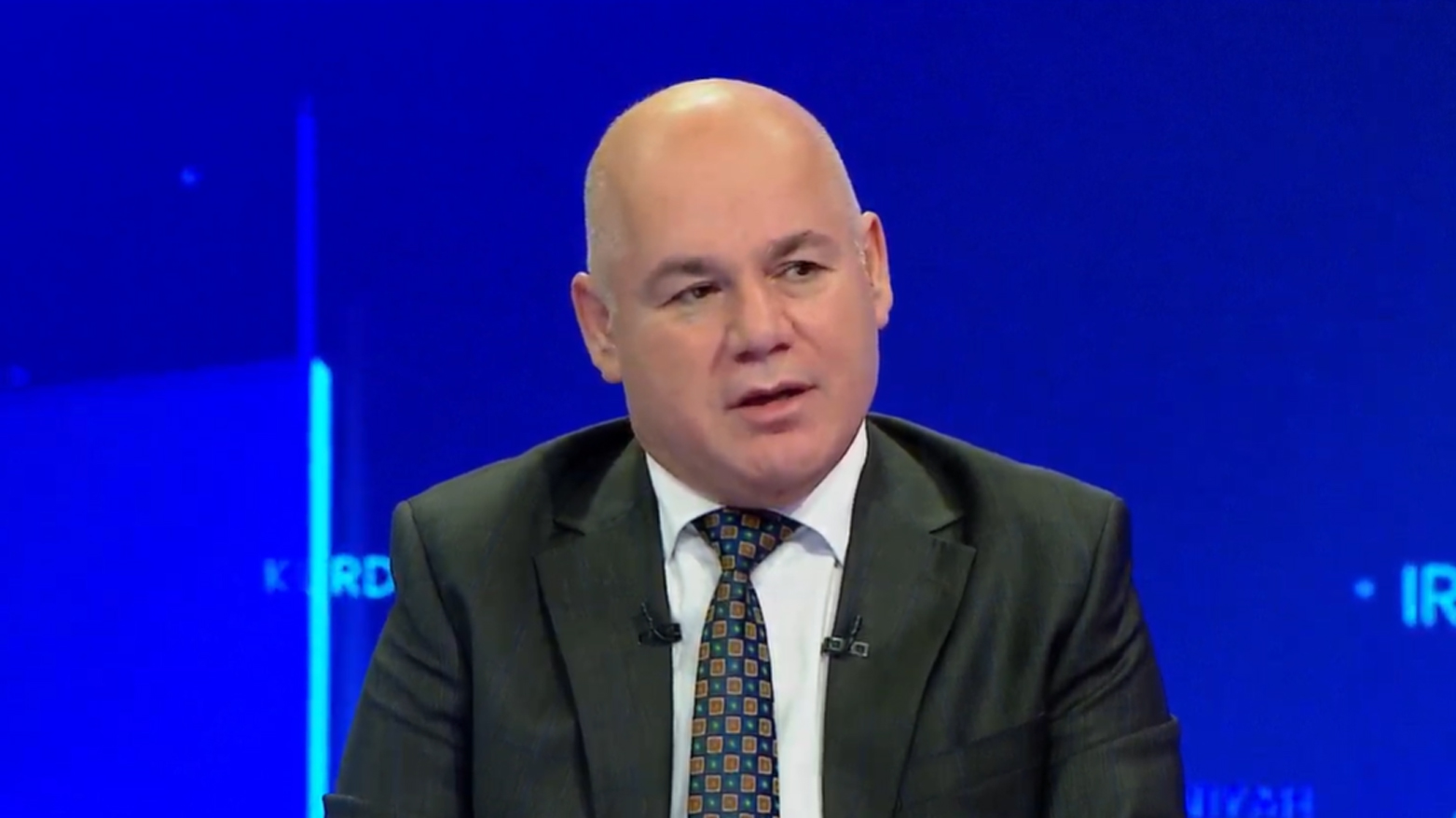
ERBIL (Kurdistan24) — The Kurdistan Region on Thursday criticized Baghdad for unilateral measures affecting customs operations and border revenue, which officials say are negatively impacting trade and the regional economy.
Sami Jalal, legal advisor at the Kurdistan Region’s Ministry of Interior, told Kurdistan24 that decisions taken by the Iraqi central government since 2017, following the Kurdistan independence referendum, have disrupted customs coordination between Erbil and Baghdad.
Jalal highlighted that attempts to unify customs definitions in 2019 were initially successful, but subsequent central government actions have undermined these agreements.
“In 2023, Baghdad issued new regulations for border gates, particularly for container-based customs, which could raise the cost per container to around 6–7 million dinars at Kurdistan gates, compared with about 2 million at other Iraqi crossings,” Jalal said.
“This disparity encourages merchants to bypass regional gates, causing significant economic harm to the Kurdistan Region.”
He added that in 2025, Baghdad unilaterally raised customs tariffs under Decision 270 without involving Kurdistan’s authorities, a move that ignored prior agreements requiring joint decisions.
Jalal noted that while a Kurdistan Region delegation led by Dr. Fuad Hussein participated in a meeting of Iraq’s economic council to address the issue, the measures remain largely unimplemented.
“Although a joint committee was nominally formed in December 2025, it has only existed on paper and taken no practical steps,” he said.
Jalal described the root of the dispute as “constitutional,” citing Article 114 of the Iraqi Constitution, which establishes joint authority over customs administration. He accused Baghdad of acting independently, violating this constitutional framework.
He also invoked Article 115, which stipulates that in cases of disagreement between federal and regional authorities, priority should be given to the Kurdistan Region’s laws—an article Baghdad has deliberately ignored.
The advisor criticized Baghdad officials for their overly centralized approach to customs management, saying they review files with a “very narrow perspective” and fail to consider the Region’s interests.
“It seems the central government’s main objective is to fully control the border gates, which mirrors the unsuccessful attempts made in 2017,” Jalal said.
Kurdistan24 identified several key factors contributing to the decline in customs revenue at the Kurdistan Region’s border crossings:
- Central government decisions are issued without coordination with Erbil, in violation of constitutional procedures.
- Transfer of customs checkpoints from Kurdistan border gates to other Iraqi cities, diverting trade revenue.
- Decision No. 569 was issued without the Region’s prior consent, affecting the transfer of dollars to merchants using Kurdistan’s border crossings for their goods, effective December 1, 2026.
- Failure to implement agreed customs tariffs and procedures at several Iraqi border crossings.
Officials in the Kurdistan Region argue that these measures not only disrupt trade but also undermine the Region’s economic autonomy, highlighting the need for renewed dialogue and adherence to constitutional agreements between Erbil and Baghdad.