Yezidis Observe Ancient Batzmi Holiday, Preserving Centuries-Old Religious Traditions
Batzmi is a seven-day religious observance, with its main celebration falling on the last Wednesday of December, placing it between the old and new years.
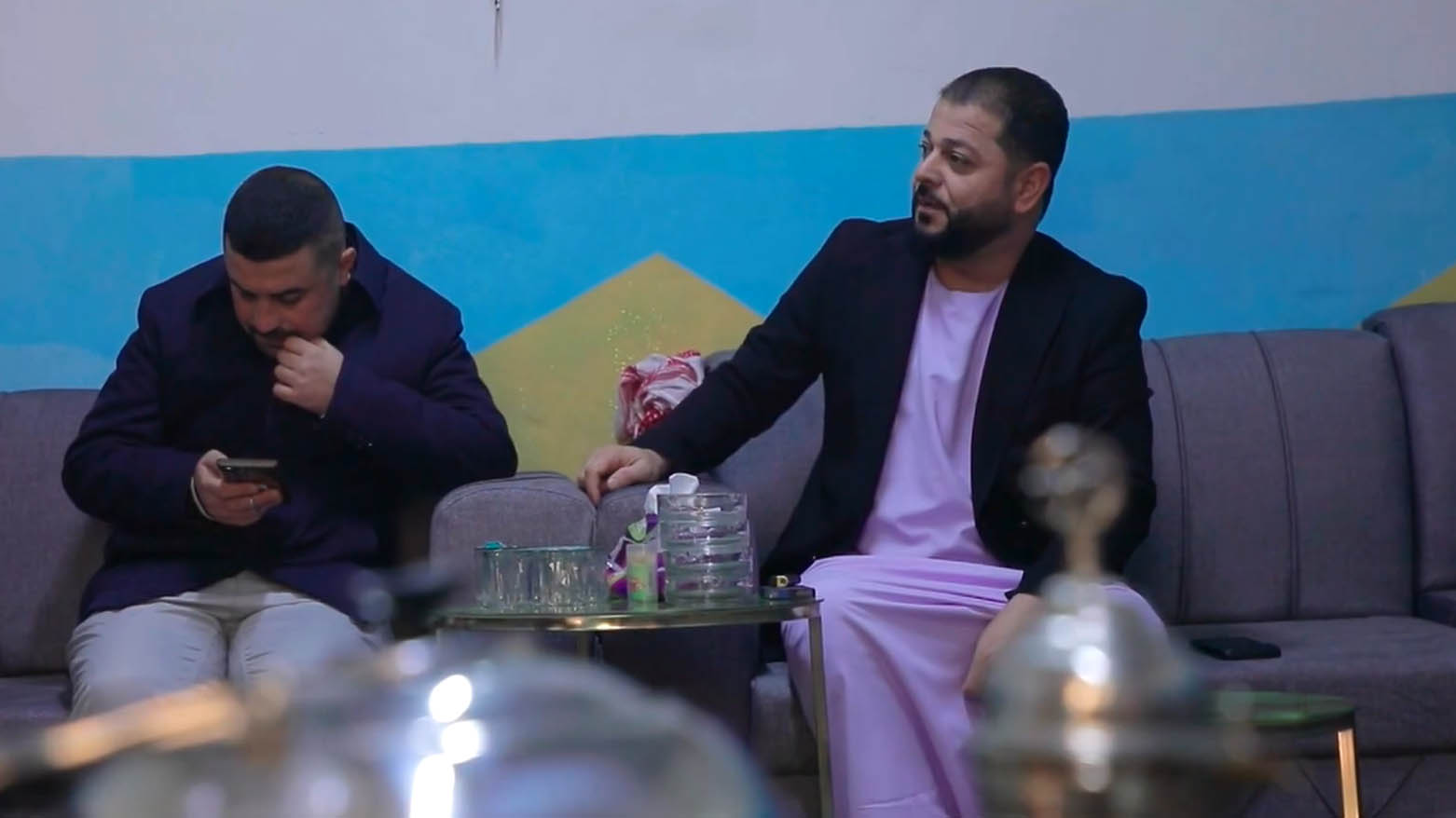
ERBIL (Kurdistan24) – Batzmi, also known as Piralli, one of the oldest and most sacred holidays in the Yezidi religion, is being observed this year by thousands of Yezidis living in displacement, as families strive to preserve centuries-old traditions despite years of exile.
Among them is 11-year-old Abdullah Barakat, who has celebrated Batzmi away from his homeland for the past 11 years. As guests gather at his family’s home, Abdullah receives the Basmbar thread—a red and white spun cord symbolizing participation in the holiday and a pledge to keep promises.
“We have been celebrating this holiday in exile for 11 years,” Barakat told Kurdistan24 on Sunday. “We hope to return to our homeland.”
Batzmi is a seven-day religious observance, with its main celebration falling on the last Wednesday of December, placing it between the old and new years. In the diaspora, some Yezidi families mark the holiday a week earlier to accommodate work and school schedules.
The week begins with two days of fasting, known as Roji, followed by cleaning rituals and Nan a Mrya, the giving of food in honor of the deceased. Wednesday is considered the most significant day, featuring a half-day fast, the lighting of seven chera (wicks), and the sacrifice of a sheep. Seven specific portions of meat, known as Pare, are set aside in the name of the seven angels in the Yezidi belief.
Special foods unique to Batzmi are also prepared for the first time on Wednesday, including Sawgs, a round bread shaped like the sun, and Simata Piralli, a traditional soup whose recipe has remained unchanged for centuries. On this day, the Basmbar thread is made and prayed over as it is spun.
Thursday night marks Shav Baratk, a night-long gathering that lasts until sunrise. Community members come together for storytelling, prayer, and celebration, reinforcing their religious identity and passing down knowledge in Yezidism’s oral tradition.
Friday is observed as a day of rest, though visitors continue to arrive to pray, receive Basmbar threads, and kiss the sacred Barats—small clay balls made from soil from the shrine of Sheikh Adi mixed with water from the Zemzem spring. Guests are served Sawgs and Simata as part of the ritual hospitality.
Preparations for Ser Sal, the Yezidi New Year, continue on Saturday, with lamps remaining lit and visitors leaving small donations as a gesture of gratitude. The final observance takes place on Sunday morning, marking the official beginning of the new year. Families prepare Tashtya Sheshms, a special breakfast honoring Sheikh Shems, a revered figure associated with the sun and one of the seven angels.
“Batzmi is a sacred holiday for us,” said Khane Hussein, a resident of Sinjar, speaking to Kurdistan24. “Our ancestors have revived it for thousands of years.”
Despite displacement and hardship, Yezidi families say the continued observation of Batzmi is both an act of faith and a symbol of resilience—keeping their religious heritage alive while holding on to the hope of returning home.