Mosul's Al-Nuri Mosque and Al-Hadba Minaret Restored, Welcoming Worshippers for Ramadan
The Al-Nuri Mosque in Mosul has reopened to worshippers following extensive reconstruction, restoring both the mosque and the Al-Hadba minaret to their historical state.
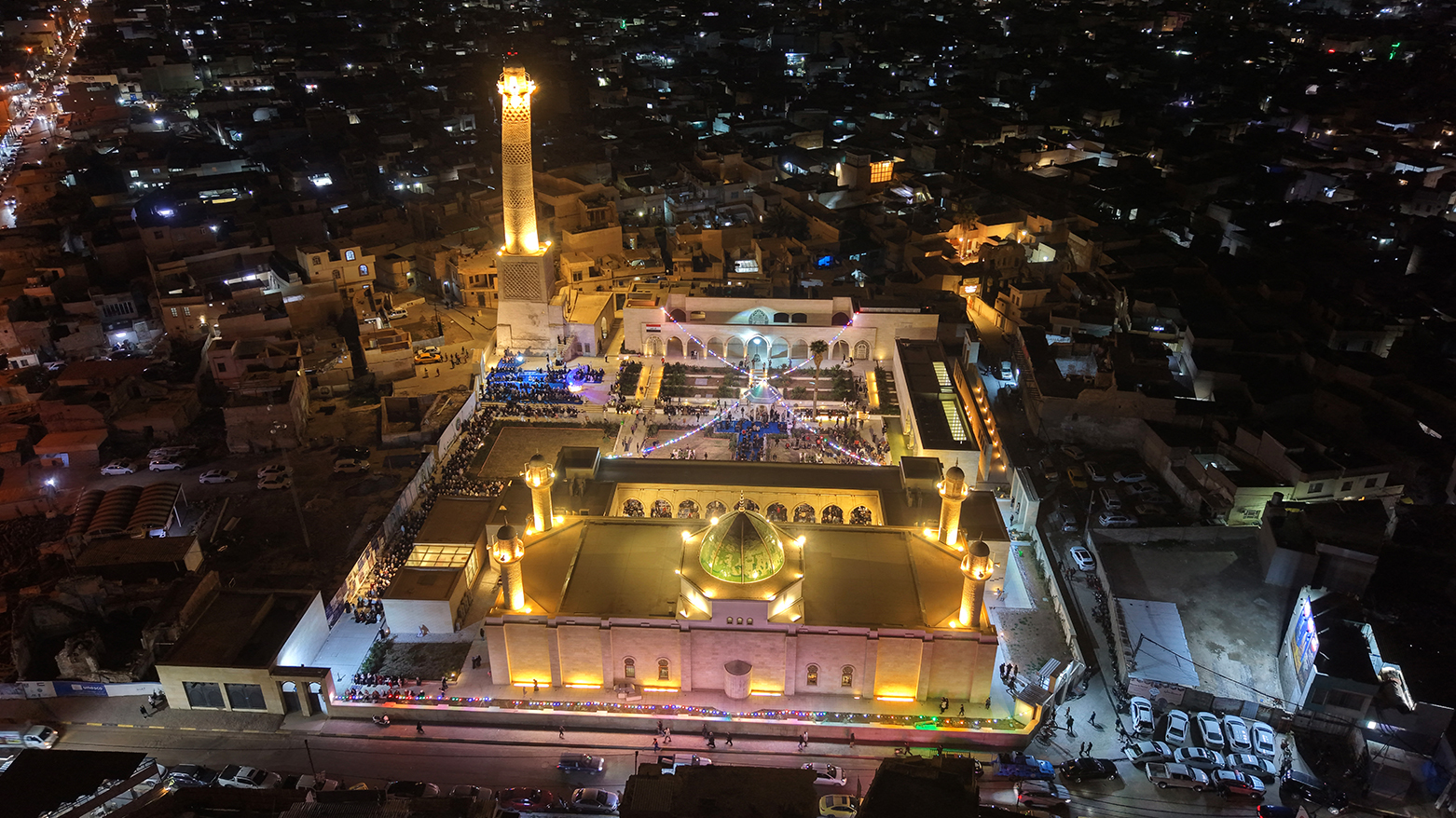
ERBIL (Kurdistan24) - The Al-Nuri Mosque in Mosul has reopened to worshippers following a multi-year reconstruction project, officials said, marking the first time since the city’s liberation that Muslims have returned to the historic site for prayer during Ramadan.
The mosque, originally built in 1172 by Nur ad-Din Zangi, was heavily damaged during the conflict with ISIS. It gained international attention in 2014 when ISIS leader Abu Bakr al-Baghdadi delivered a sermon from its pulpit declaring the establishment of the so-called "caliphate." The site was later destroyed by ISIS militants in June 2017 during the final battles to retake Mosul.
According to local officials, the reopening follows years of restoration under the "Revive the Spirit of Mosul" initiative, a project led by UNESCO with support from the United Arab Emirates and the Iraqi government. The effort focused on rebuilding the mosque and its courtyard, including the Al-Hadba minaret, a leaning tower that has long been a symbol of the city.
Sheikh Ali, a preacher at the Al-Nuri Mosque, described the site as a central point of religious and cultural significance. "This mosque is recognized as the symbol of Mosul and is famous for its 'Al-Hadba' (hunchback) minaret. In addition to being a gathering place for families to perform Friday prayers, this site is viewed as a great school for the city," he said.
Omar Mulla, another preacher at the mosque, noted the importance of the reopening for local residents. "Today, in this month of Ramadan, Mosul’s identity and significance have returned, especially for the people of the Old City. Fortunately, after nine years, we have returned to this mosque to perform our prayers," he said.
Officials confirmed that the restoration project aimed to preserve the mosque’s historical features, maintaining its 900-year heritage while repairing extensive war-related damage. The Al-Hadba minaret, which had been partially destroyed, was rebuilt to restore its leaning appearance and historical character.
The reopening coincides with Ramadan, allowing worshippers to perform prayers and gatherings in a site that had been inaccessible for nearly a decade. The mosque’s restoration is part of broader post-conflict rehabilitation efforts in Mosul, aimed at restoring key cultural landmarks and promoting civic life in areas affected by ISIS occupation.
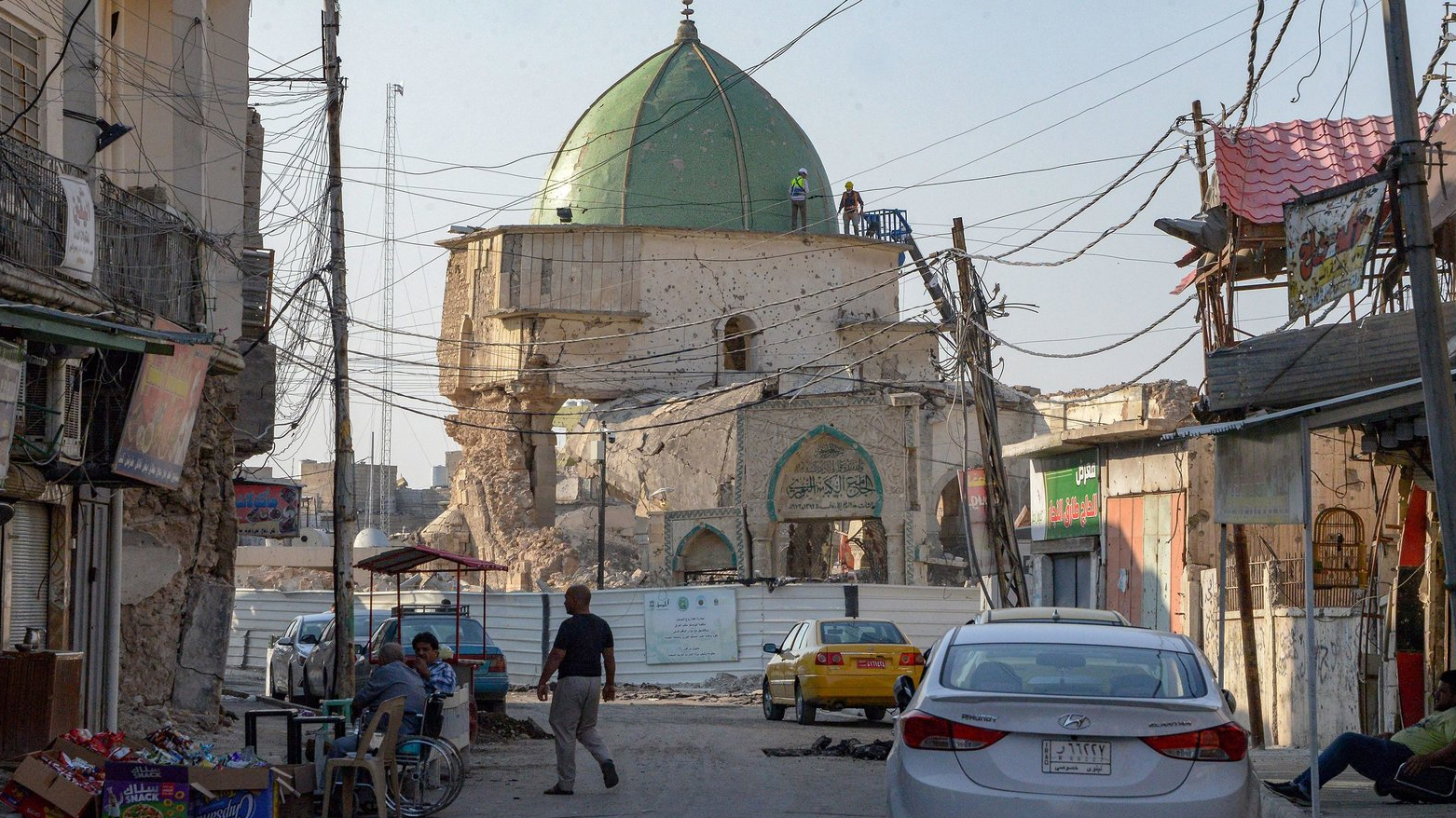
Local authorities noted that the reopening of the Al-Nuri Mosque has drawn significant community engagement, with residents expressing relief and satisfaction at the return of a central religious and cultural institution. The project’s completion has been described as a milestone in Mosul’s recovery from years of conflict.
Historical records indicate that the Al-Nuri Mosque has served as a religious, social, and educational center throughout its existence. Its distinctive leaning minaret, Al-Hadba, has historically been a symbol of Mosul and an identifying landmark for the Old City.
The restoration project also focused on accommodating contemporary needs while preserving the mosque’s traditional architecture, ensuring that the site could safely host congregational prayers and community events. Officials highlighted that careful planning and technical expertise were applied to reconstruct the mosque without compromising its historical integrity.
UNESCO representatives overseeing the project stated that the initiative forms part of international efforts to protect and revive heritage sites in post-conflict zones. The collaboration between UNESCO, the UAE, and Iraqi authorities aimed to combine technical restoration expertise with local knowledge and historical research.
According to project officials, the restoration of the Al-Nuri Mosque was a multi-year endeavor requiring extensive reconstruction, including structural reinforcement, stonework, and detailed replication of architectural features. The reopening during Ramadan was chosen to align with religious significance and community participation.
Citizens of Mosul expressed widespread approval of the mosque’s reopening. Residents said that the site’s restoration provides a sense of continuity and cultural identity following years of displacement and conflict. Community leaders emphasized that the mosque serves as both a spiritual hub and a symbol of resilience for the city.
The Al-Nuri Mosque now functions as a fully operational place of worship, hosting daily prayers, Friday congregations, and special Ramadan services. Officials reported that safety measures and facilities were upgraded to accommodate large numbers of worshippers while preserving the site’s historical character.
The successful reopening of the Al-Nuri Mosque represents a key milestone in Mosul’s post-ISIS recovery, restoring access to a centuries-old religious landmark and reaffirming the city’s cultural heritage.
Citizens and religious leaders affirmed that the mosque’s reopening allows Mosul to reclaim an important part of its historical and religious identity.
Kurdistan24 correspondent Derman Baadri contributed to this report.