Kurdistan Region Unveils Winter Tourism Push and Major Festivals
KRG Board of Tourism announces new winter festivals in Soran, Sulaimani, and Duhok. With $7.5 billion invested in 5 years, winter tourists now total 15% of visitors, a figure that is rising.
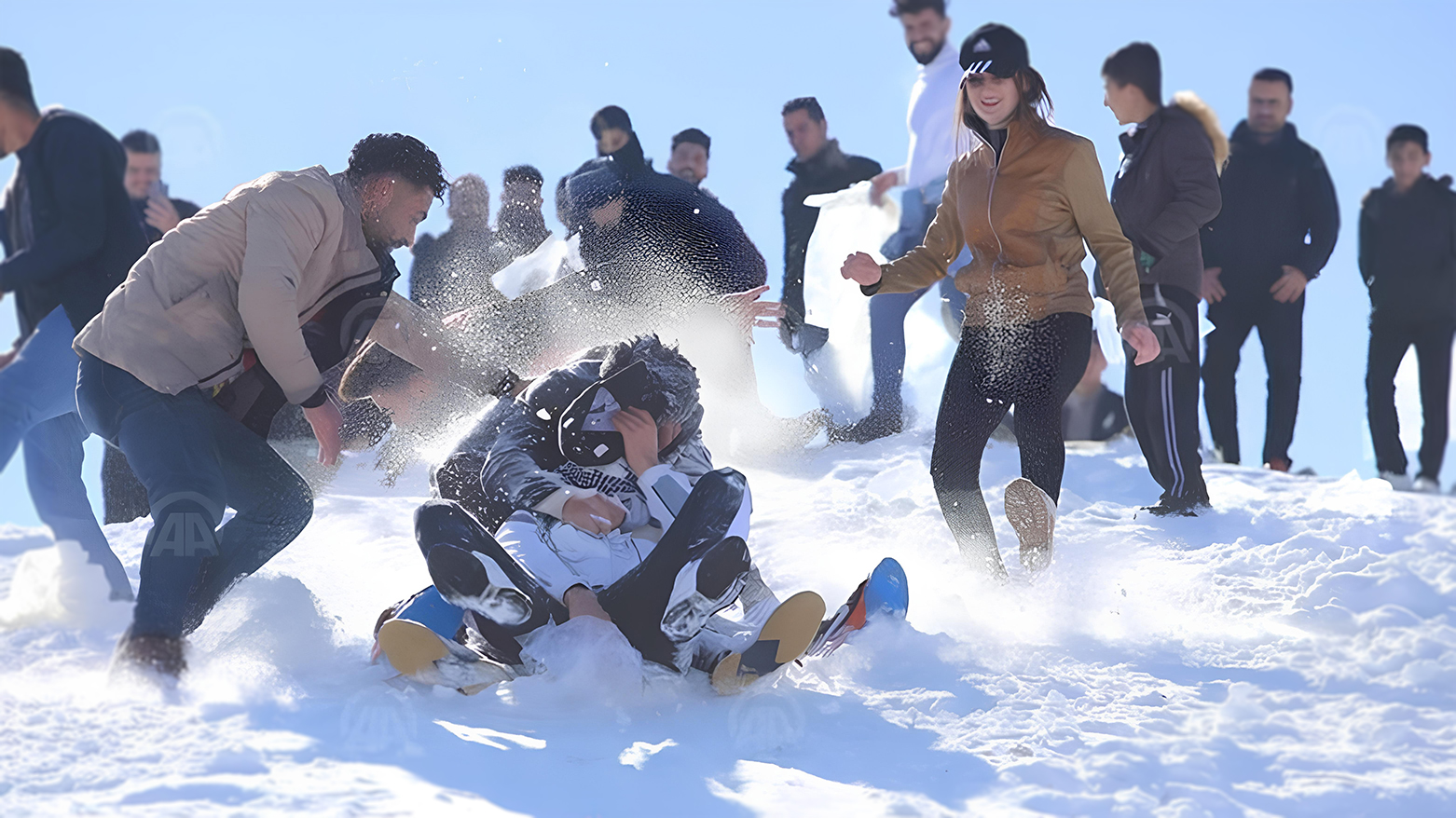
ERBIL (Kurdistan24) — The General Board of Tourism of the Kurdistan Regional Government (KRG) has announced a comprehensive slate of winter activities and snow skiing festivals for the current year, a move that underscores a strategic shift toward year-round tourism in the region. The initiative comes amid a significant surge in capital injection into the sector, with officials confirming on Monday that investment costs in tourism projects over the past five years have exceeded $7.5 billion.
Ibrahim Abdulmajid, the Spokesperson for the General Board of Tourism, provided the details in a statement to Kurdistan24 on Monday. The announcement highlights the KRG’s concerted effort to capitalize on the region’s geography and climate to attract visitors beyond the traditional spring and summer peak seasons.
According to Abdulmajid, the development of winter tourism is a central pillar of the Board of Tourism’s eight-year plan, which aims to diversify the tourism portfolio of the Kurdistan Region.
A Strategic Shift in Tourism Patterns
The spokesperson emphasized that the region has successfully transitioned away from a limited tourism calendar.
"For several years now, the Kurdistan Region has passed the stage of single-season tourism," Abdulmajid said. He noted that the flow of visitors is no longer restricted to specific months, stating that "for several years, tourists have been visiting the Kurdistan Region throughout all seasons of the year."
This shift is reflected in the official data tracked by the Board.
According to Abdulmajid, winter tourists now constitute 15 percent of the total annual visitors to the region.
This statistic implies that out of the aggregate number of tourists entering the Kurdistan Region annually, a significant and growing portion is arriving specifically during the winter months.
The spokesperson described this figure as being "constantly on the rise," indicating a sustained upward trend in cold-weather travel demand.
Infrastructure and Investment Growth
Underpinning the growth in visitor numbers is a massive expansion in tourism infrastructure.
Abdulmajid revealed the scale of financial commitment to the sector, pointing to the implementation of numerous projects since the beginning of the decade.
"In the past five years, a large number of tourism projects were implemented, with an investment cost of seven billion and more than 500 million dollars in the tourism sector," he told Kurdistan24.
This level of investment appears to be a critical component of the government's long-term plan to further develop the industry.
Abdulmajid indicated that the strategy involves active engagement with the private sector, specifically by "encouraging investors to implement tourism projects, especially those projects that are specific to winter tourism."
The focus on winter-specific infrastructure suggests a targeted approach to accommodate the unique logistical and recreational requirements of snow-based tourism.
Upcoming Festivals and Activities
For the current winter season, the General Board of Tourism has finalized plans for a series of high-profile events designed to showcase the region's winter capabilities. Abdulmajid confirmed that "a number of activities and snow skiing festivals will be conducted" this year.
Central to these plans is the organization of an international event within the Soran Independent Administration.
The spokesperson stated that it is planned for an "international snow skiing festival" to be held within the borders of Soran, an area known for its mountainous terrain suitable for winter sports.
The designation of the festival as "international" suggests an ambition to draw attention and participants from beyond the immediate locality.
In addition to the event in Soran, the Board has arranged for a broader geographic spread of winter festivities.
Abdulmajid noted that plans and programs are currently in place to conduct activities and festivals within the borders of the Sulaimani Governorate as well as in Duhok.
This distribution of events across multiple governorates indicates a coordinated effort to promote winter tourism destinations throughout the entirety of the Kurdistan Region, rather than concentrating them in a single hub.
Rising Visitor Numbers from Central and Southern Iraq
The immediate outlook for the 2026 winter season appears robust, driven largely by domestic tourism from other parts of the federal country.
Abdulmajid reported that "a very good number of tourists, especially from southern and central Iraq, have visited the Kurdistan Region" so far this year.
The influx of visitors from Iraq’s central and southern provinces is a key demographic for the Kurdistan tourism sector.
The spokesperson expressed confidence that the total headcount for the season would show significant growth, predicting that "the number of winter tourists this year will be much higher."
He assured that "all preparations have been made for the conduct of activities and festivals" to accommodate this anticipated surge in visitors.
Long-Term Planning and Goals
The current developments are part of a broader, structured approach to sector management.
Abdulmajid referenced the "eight-year plan of the Board of Tourism," which outlines the strategic goals for the industry. A primary objective within this framework is the "development of different types of tourism," with winter tourism identified as a key area for expansion.
By moving to diversify the tourism product and reduce seasonality, the KRG aims to create a more stable and lucrative tourism economy.
The combination of multi-billion dollar infrastructure investments, the scheduling of international festivals, and the targeted marketing toward travelers from central and southern Iraq reflects a mature strategy to cement the Kurdistan Region’s status as a year-round destination.
As the planned festivals in Soran, Sulaimani, and Duhok approach, officials remain optimistic that the 15 percent share of winter tourists will continue its upward trajectory, validating the substantial resources allocated to the sector over the past five years.