KRG Ministry Implements 67 Infrastructure Projects to Improve Services in Erbil
According to ministry statistics, the projects—covering several sectors—were completed at a total cost of 116 billion Iraqi dinars.
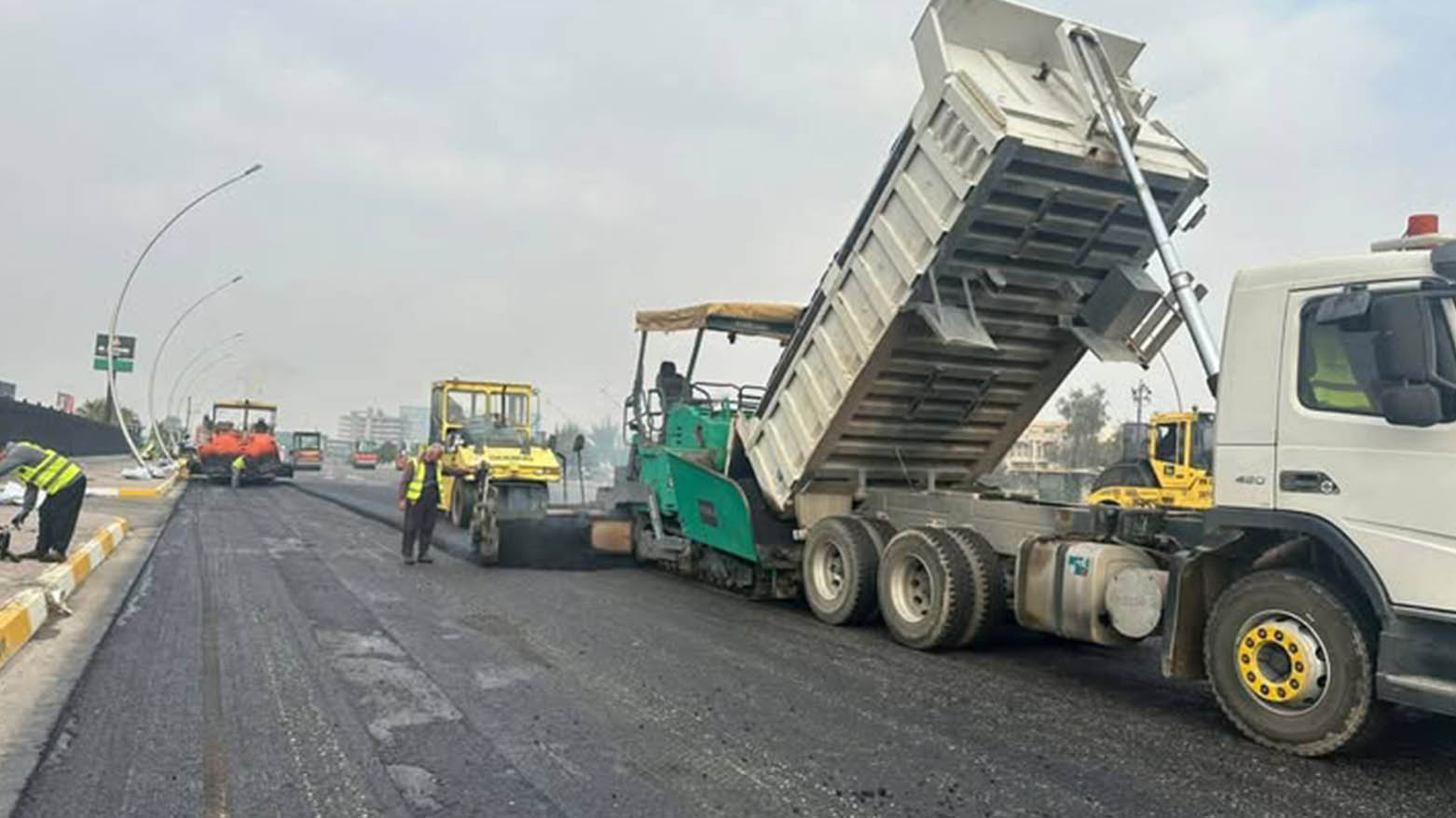
ERBIL (Kurdistan24) – The Kurdistan Regional Government’s (KRG) Ministry of Municipalities and Tourism announced on Tuesday that it had implemented 67 service and infrastructure projects across Erbil over the past year, as part of continued efforts to modernize the capital and improve public services.
According to ministry statistics, the projects—covering several sectors—were completed at a total cost of 116 billion Iraqi dinars. Officials stated that the initiatives were a key component of the KRG’s broader strategy to enhance urban infrastructure and meet the demands of a rapidly growing city.
Road construction and reconstruction were identified as the primary focus. Over the past year, one million square meters of new streets were opened, while 260,000 square meters of roads were fully paved. The ministry stated that the measures had helped alleviate traffic congestion and improve vehicle flow in key areas of the city.
Alongside new construction, the ministry has prioritized rehabilitation works on older roads. A total of 12,000 tons of asphalt were produced and used to repair damaged streets and fill potholes across approximately 60,000 square meters.
Ministry officials stressed that service projects will continue under the new annual plan, with further initiatives expected to be rolled out across Erbil in the coming months.
Erbil, the capital of the Kurdistan Region, serves as the political, administrative, and economic hub of the autonomous region. Over the past decade, the city has experienced sustained population growth driven by internal migration, rural-to-urban movement, and the stability of the Kurdistan Region compared with other parts of Iraq. This growth has been accompanied by a significant expansion of residential areas, commercial zones, and public institutions.
The rapid pace of urbanization has placed mounting pressure on Erbil’s infrastructure, particularly road networks, sewage systems, and municipal services. Traffic congestion, aging streets, and insufficient drainage in some neighborhoods have become recurring challenges, especially during periods of heavy rainfall.
In response, the KRG has placed increasing emphasis on municipal development and urban planning as part of its governance agenda. The Ministry of Municipalities and Tourism plays a central role in implementing service projects, maintaining public infrastructure, and coordinating with local administrations to meet rising demand.
Officials have said that continued investment in roads, sanitation, and public services is essential not only to improve the quality of life for residents but also to support economic activity and accommodate future growth in the capital. The latest round of projects reflects ongoing efforts by the KRG to address infrastructure gaps and keep pace with Erbil’s expanding urban footprint.