Egypt’s Pro-Government Coalition Secures Parliamentary Majority in Final Vote
The 596-seat parliament is composed of half the seats allocated through closed party lists and the other half filled by individual candidates, with an additional five percent appointed directly by the president.
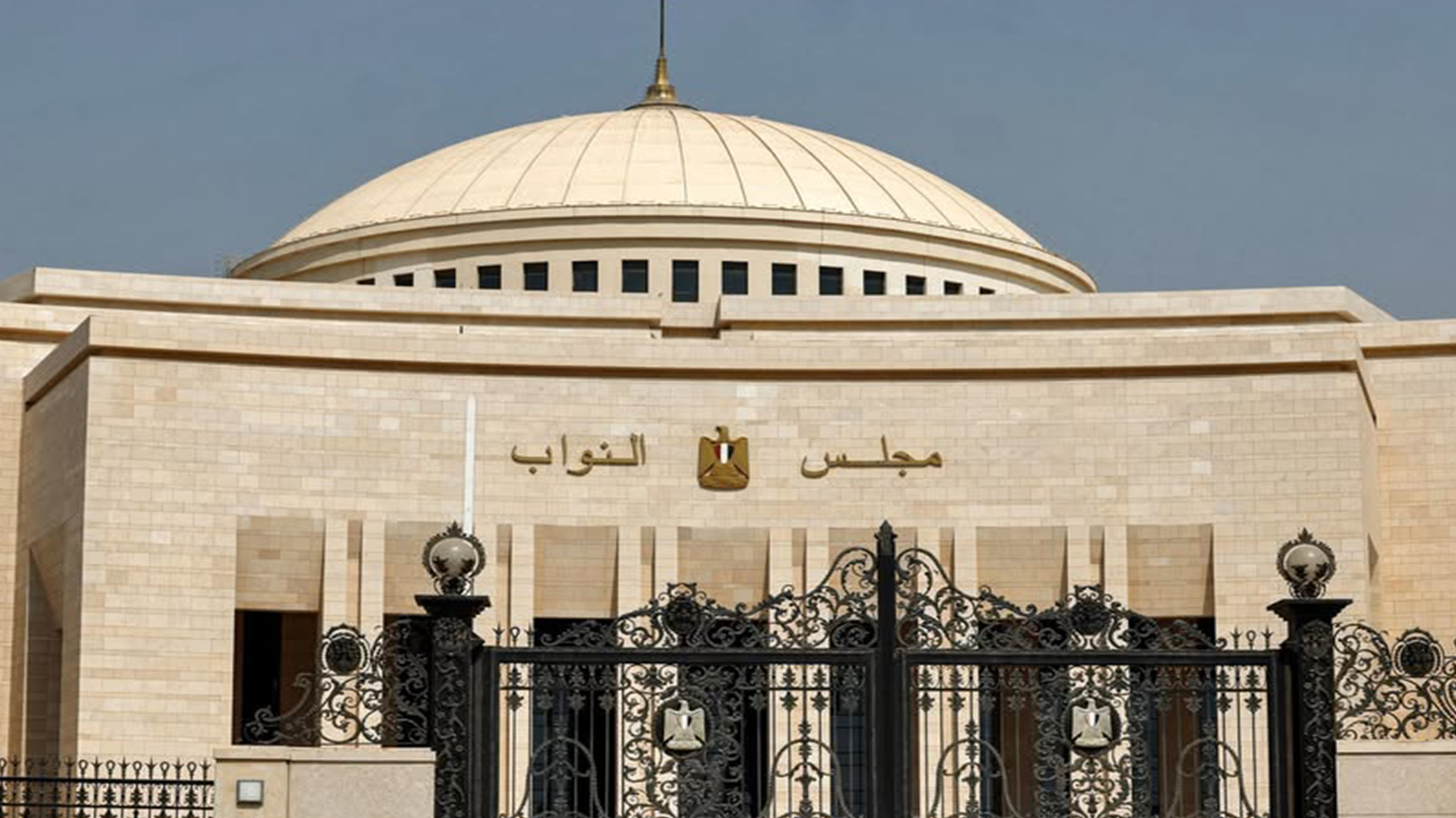
ERBIL (Kurdistan24) — Egypt’s election authority on Saturday released the final results of a months-long parliamentary election, confirming a strong showing by a pro-government coalition, according to AFP. Critics have said the vote further consolidates President Abdel Fattah al-Sisi’s hold on power.
The 596-seat parliament is composed of half the seats allocated through closed party lists and the other half filled by individual candidates, with an additional five percent appointed directly by the president. A quarter of all seats are reserved for women.
Of the seats contested by individual candidates, the three main parties of the pro-government coalition, National List for Egypt, secured 164 seats, the election body reported. The remaining individual seats were largely won by smaller parties or independents, also seen as aligned with the government.
The coalition is led by the pro-Sisi Nation’s Future (Mostaqbal Watan) party and the National Front party, headed by former minister Essam al-Gazzar. The alliance comprises 12 parties in total.
Election officials previously annulled results in more than 30 constituencies in November and December, ordering re-runs following appeals regarding counting procedures.
Observers and critics have long highlighted the limited powers of parliament in the absence of a significant opposition, noting that parties linked to the ruling establishment dominate the political landscape.
Analysts have said the timing of this election carries particular weight, as it is the last parliamentary vote before the end of Sisi’s third and final term in 2030. Constitutional amendments passed in 2019 extended presidential terms from four to six years and retroactively counted Sisi’s prior term, effectively allowing him to remain in office until 2030.
Egypt has been governed by President Abdel Fattah al-Sisi since 2014, following his rise to power after the military ousted Islamist president Mohamed Morsi. Since then, the country has pursued a security-first approach to governance, with authorities citing the need for stability amid regional turmoil and economic pressures.
While the government launched a national dialogue in 2022 aimed at engaging opposition voices, rights organizations say political space has remained limited in recent years, with thousands of people still detained on political or security-related charges, according to their assessments.