Axios: The Trump-Netanyahu Call That Changed the Middle East — Intelligence on Khamenei's Location Triggered Strike
Axios reports that a Feb. 23 phone call between US President Trump and Israeli PM Netanyahu, based on intelligence that Ayatollah Ali Khamenei and his inner circle would meet in one location, triggered the final decision to strike Iran.
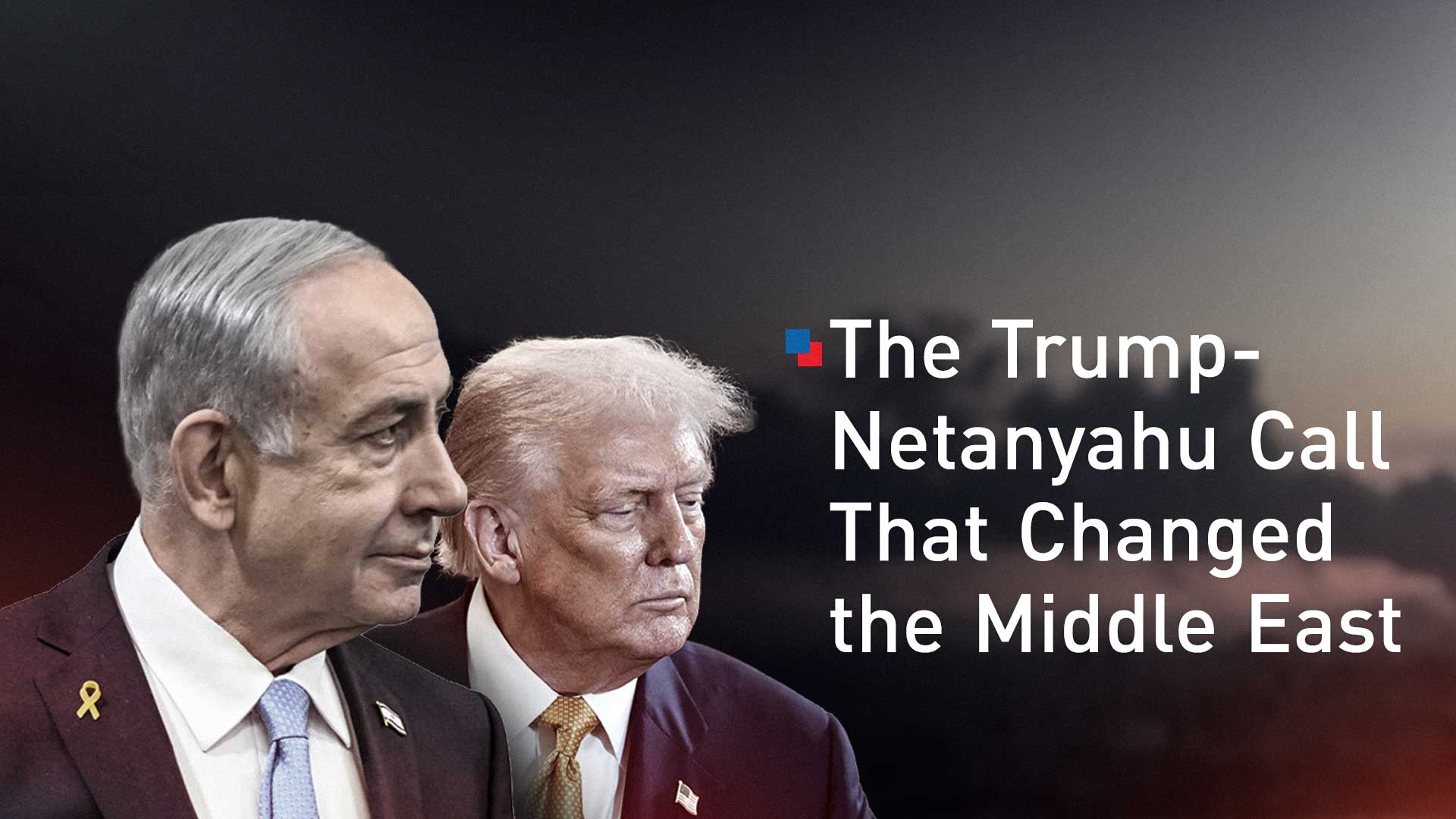
ERBIL (Kurdistan24) - A previously unreported February 23 phone call between US President Donald Trump and Israeli Prime Minister Benjamin Netanyahu marked the decisive turning point that led to the current war with Iran, according to an extensive report by Axios.
Citing three sources briefed on the discussion, Axios reported that Netanyahu informed Trump that Iran’s Supreme Leader Ali Khamenei and his top advisers were scheduled to meet at a single location in Tehran on Saturday morning — presenting what Netanyahu described as a rare and devastating target of opportunity.
They could all be killed in one strike, Netanyahu told Trump and his national security team during the call from the White House Situation Room.
The report says Trump had already been leaning toward military action against Iran, but had not decided on timing. The intelligence regarding Khamenei’s meeting shifted that calculation.
Lawmakers, international leaders and skeptics had questioned why the strikes happened when they did. According to Axios, the answer lies in the opportunity to eliminate Khamenei and his inner circle in a single operation — a chance neither leader wanted to miss.
An initial CIA check, ordered by Trump, reportedly confirmed Israeli military intelligence. By Thursday, the CIA had fully verified that the senior Iranian leadership would be gathered together, one source said.
On the same day the intelligence was confirmed, Trump’s envoys — Jared Kushner and Steve Witkoff — called from Geneva after hours of talks with Iranian officials and told the president negotiations were going nowhere.
A US official with direct knowledge of the call told Axios that Trump was informed Iran was unwilling to accept a deal that would satisfy him.
Trump was now convinced of two things: the intelligence was solid and diplomacy had failed.
On Friday at 3:38 p.m. EST, he gave the final order. Eleven hours later, bombs fell on Tehran, Khamenei was killed, and the war began, Axios reported.
The February 23 call was part of months of coordination between Trump and Netanyahu. According to US and Israeli officials cited by Axios, the two leaders met twice and spoke by phone 15 times in the two months before the war.
The US and Israel had initially considered striking a week earlier but postponed due to operational factors, including weather.
The original timeline reportedly envisioned a strike in late March or early April to allow time to build public support. However, Netanyahu pushed to move faster, a US official told Axios, allegedly warning about threats to Iranian opposition figures in safe houses.
Israeli Ambassador to Washington Yechiel Leiter denied that Netanyahu was “agitating” or citing opposition leaders as a reason to accelerate. He said Trump “cannot be steered” and emphasized close US-Israeli coordination over the past year.
According to Axios, the accelerated timeline left the administration scrambling to justify the strikes after they occurred rather than building a public case beforehand.
One official acknowledged “muddled messaging” from Secretary of State Marco Rubio and the White House.
Because the attack was disguised and executed quickly, many US citizens in the region were caught off guard as Iran launched retaliatory strikes.
Rubio’s State Department later mounted an emergency evacuation effort for more than 1,500 Americans who requested assistance.
Asked why there had been no prior evacuation plan, Trump replied Tuesday: “Well, because it happened all very quickly.”
Rubio insisted earlier this week that the operation “had to happen anyway,” describing it as a matter of timing rather than Israeli pressure.
Trump similarly rejected claims he had been dragged into war by Israel, saying Tuesday that he believed Iran was about to strike first.
“If anything, I might have forced Israel’s hand,” Trump said.
The White House did not dispute Axios’ reporting and pointed to Trump’s and Rubio’s public remarks.