Mala Bakhtiyar Excluded from Iraq’s Presidential Race
Mala Bakhtiyar has been disqualified from the Iraqi presidential race due to unapproved credentials. Only 11 candidates, including the incumbent and nominees from the KDP and PUK, remain.
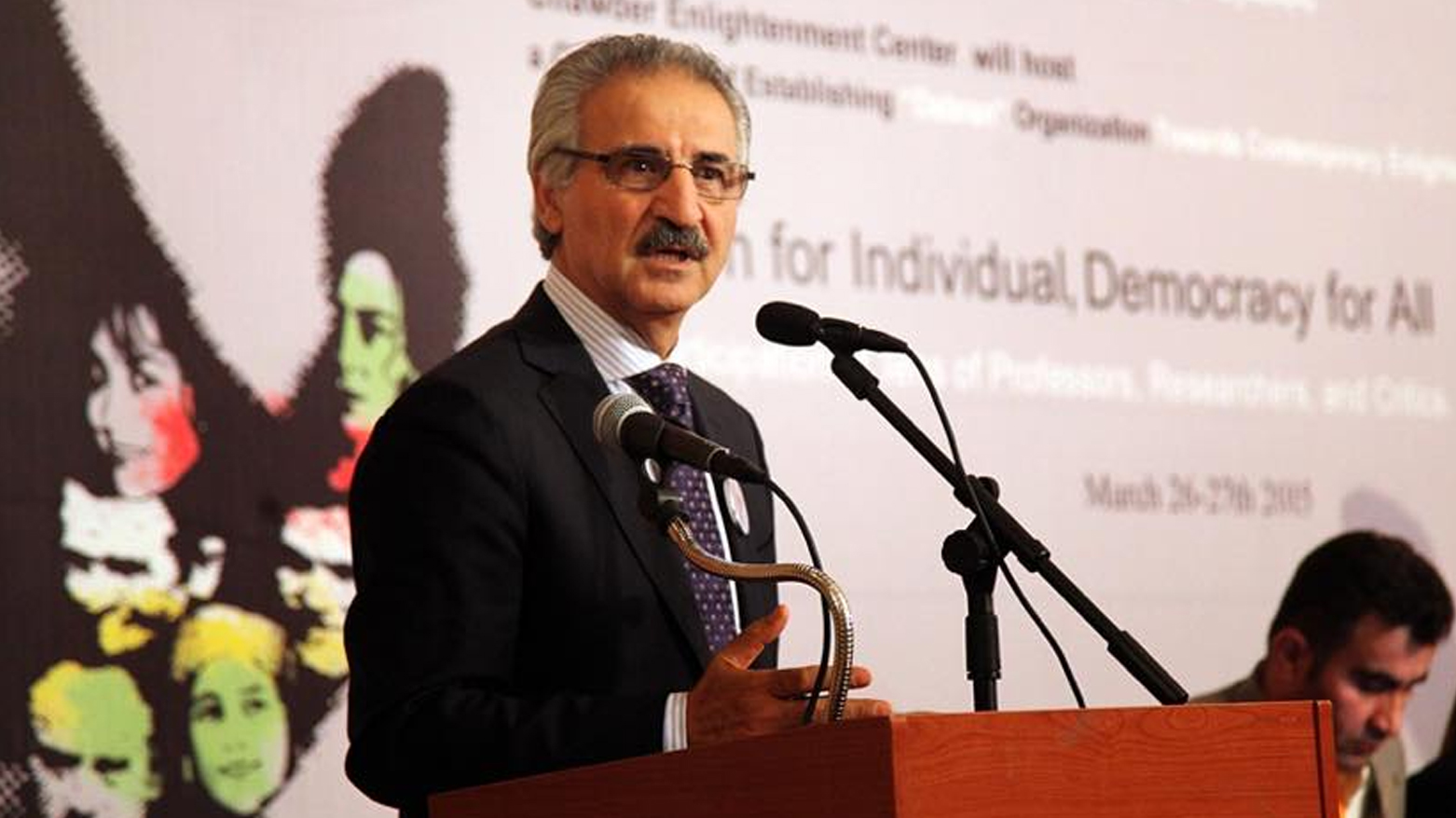
ERBIL (Kurdistan24) - A specialized vetting committee within the Iraqi Parliament has excluded Mala Bakhtiyar from the list of eligible candidates for the presidency of the republic, significantly narrowing the field of contenders as the country moves toward the formation of a new government. The decision, revealed by a high-level parliamentary source on Tuesday, reduces the number of approved candidates to a small fraction of the original applicants following a rigorous review of legal and constitutional qualifications.
The exclusion was confirmed to Kurdistan24 on Tuesday, by a high-ranking official within the Iraqi Parliament who is familiar with the proceedings of the vetting committee.
According to the source, the committee responsible for reviewing the dossiers of presidential hopefuls determined that Mala Bakhtiyar did not meet the necessary criteria for candidacy. The source attributed the disqualification specifically to the non-approval of his educational degree, a mandatory requirement for the position under Iraqi law.
The removal of Mala Bakhtiyar from the race is part of a sweeping reduction in the number of candidates vying for the position of President of the Republic of Iraq.
The parliamentary source disclosed that following the closure of the nomination window on Jan. 5, 2026, the legislative body had received curricula vitae from nearly 81 individuals who had engaged in the self-nomination process. However, the ensuing vetting process has resulted in the disqualification of the vast majority of these applicants.
According to the new details revealed on Tuesday, more than 70 individuals have been excluded from the competition. The source indicated that these mass exclusions were based on strict adherence to legal and constitutional conditions.
The vetting process, conducted by a specialized committee, involved a comprehensive review of each applicant's background, taking into account specific prerequisites such as a clean criminal record and the validity of educational degrees. It was within this procedural framework that Mala Bakhtiyar’s candidacy was rejected.
Consequently, the field of competitors has been whittled down to just 11 remaining candidates who have successfully navigated the vetting procedures. The high-level source noted that the majority of these remaining 11 contenders are Kurds, reflecting the political custom in Iraq whereby the presidency is typically held by a Kurdish figure.
Among the names that have been formally approved and remain in the competition are several prominent political figures representing the major parties of the Kurdistan Region. The source confirmed the approval of Fuad Hussein and Nawzad Hadi, both of whom are running as candidates of the Kurdistan Democratic Party (KDP).
Their inclusion in the final list signals the KDP’s continued active engagement in the selection process for the federal presidency.
In addition to the KDP candidates, the committee approved the candidacy of Nizar Amedi, who is identified as the official candidate of the Patriotic Union of Kurdistan (PUK). The approval of Amedi places him in direct contention with the representatives of the rival Kurdish party as the parliament prepares for the election.
Furthermore, the current head of state, President Latif Rashid, has also cleared the vetting process. The source confirmed that President Rashid’s candidacy for a second term has been approved, allowing him to stand for re-election against the fresh challengers from the KDP and the PUK.
The announcement of the finalized list marks a critical step in the government formation timeline. Under the Iraqi Constitution and relevant laws, the parliament is mandated to elect a new President of the Republic within 30 days of its first legislative session.
With the vetting process now largely concluded and the field narrowed to 11 qualified individuals, the focus shifts to the parliamentary vote that will determine the country’s next head of state.
This article was updated on Tuesday, Jan 13, 2026, at 03:01pm.