Israel Strikes Four Border Crossings Between Syria and Lebanon
Israel said it struck four Syria-Lebanon border crossings used by Hezbollah for arms smuggling, as airstrikes hit multiple towns in southern Lebanon, prompting condemnation from Lebanese officials and reports of civilian injuries.
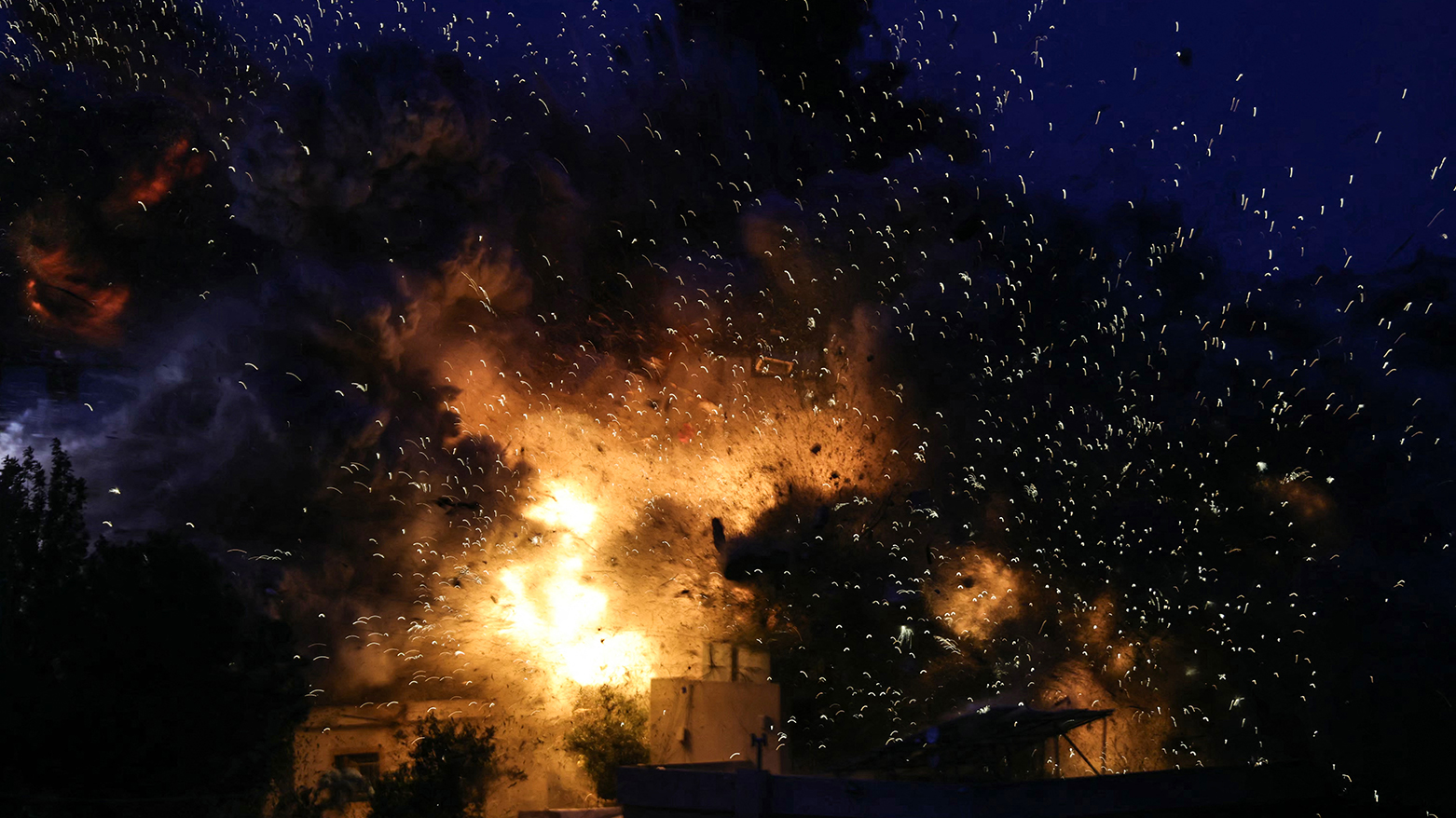
ERBIL (Kurdistan24) - A series of Israeli airstrikes targeted four border crossings between Syria and Lebanon, as Israel said it was acting against alleged arms smuggling routes used by Hezbollah, amid continued military operations in southern Lebanon.
The Israeli army announced on Wednesday that it had struck four border crossings along the Syrian-Lebanese frontier, accusing Hezbollah of using them to transfer weapons. In a statement, the army said: “A short while ago, the Israeli army bombed four border crossings between Syria and Lebanon used by Hezbollah for smuggling weapons in the Hermel area.”
The strikes came after earlier Israeli attacks on buildings in several towns in southern Lebanon, following evacuation warnings issued to residents. These raids followed airstrikes earlier in the day that resulted in two fatalities.
Lebanon’s National News Agency reported Israeli airstrikes on buildings in the towns of Jirjua, Qanariit, Kafour, Ansar, and Khraibeh, after Israeli warnings urged residents to evacuate. Lebanese President Joseph Aoun condemned the attacks, describing them as “a dangerous escalation that directly targets civilians” and calling them a “blatant violation of international humanitarian law.”
Israel has continued to carry out strikes on Lebanon despite a ceasefire reached in November 2024 that ended more than a year of war with Hezbollah. The Israeli army said it had attacked Hezbollah targets “in response to repeated violations of the ceasefire understandings.”
Before the airstrikes, Israeli army Arabic-language spokesman Avichay Adraee wrote on X that the army “will attack Hezbollah military infrastructure” in the towns of Jirjua, Kafour, Qanariit, Ansar, and Khraibeh. The five towns are located north of the Litani River, away from the Israeli border, an area where the Lebanese army is expected next month to submit a plan to the government regarding the mechanism for disarming Hezbollah, after announcing the disarmament of the group in the border area south of the river.
According to an AFP photographer at the scene, the strikes in Qanariit caused a violent blast that injured him and two other journalists with minor wounds due to the force of the explosion. Lebanon’s Health Ministry said nineteen people, including journalists, were injured in the Israeli strikes on Qanariit in the Sidon district.
Earlier on Wednesday morning, two people were killed in two Israeli strikes on cars in the towns of Zahrani and Bazouriyeh in southern Lebanon, according to the Lebanese Health Ministry.
Israel says its strikes in Lebanon target Hezbollah members, facilities, and weapons depots, stating it will not allow the group to rebuild its capabilities after the war, during which it sustained heavy losses to its military arsenal and leadership structure. In recent days, Israel has carried out extensive strikes in areas far from the border, after the Lebanese army announced in early January the completion of the first phase of a government-approved plan to dismantle Hezbollah’s arsenal and restrict weapons to state control.
The Lebanese army said it had completed “the extension of operational control over the territories that came under its authority in the sector south of the Litani River, approximately thirty kilometers from the Israeli border, except for lands and sites that remain under Israeli occupation.” Israel, however, questioned the sufficiency of these measures and has continued to strike areas mostly north of the river since the announcement.
In a statement on Wednesday, the Lebanese army condemned what it described as “Israeli attacks and violations against Lebanon” targeting “civilian buildings and homes in several areas,” saying these actions “hinder the army’s efforts and obstruct the completion of its plan.”
Under the ceasefire agreement, Israel was supposed to withdraw its forces from southern Lebanon but has maintained a presence at five locations it considers strategic, from which Lebanon is demanding withdrawal.
As Israel continues air operations across southern Lebanon and along the Syrian border, Lebanese officials warn that the strikes are undermining ceasefire efforts and civilian safety, while disputes persist over the implementation and scope of post-war security arrangements.