Kurdistan PM Barzani Presses for International Support for Syrian Kurds at Davos
PM Masrour Barzani raises rights, security, and humanitarian concerns in high-level meetings at Davos 2026.
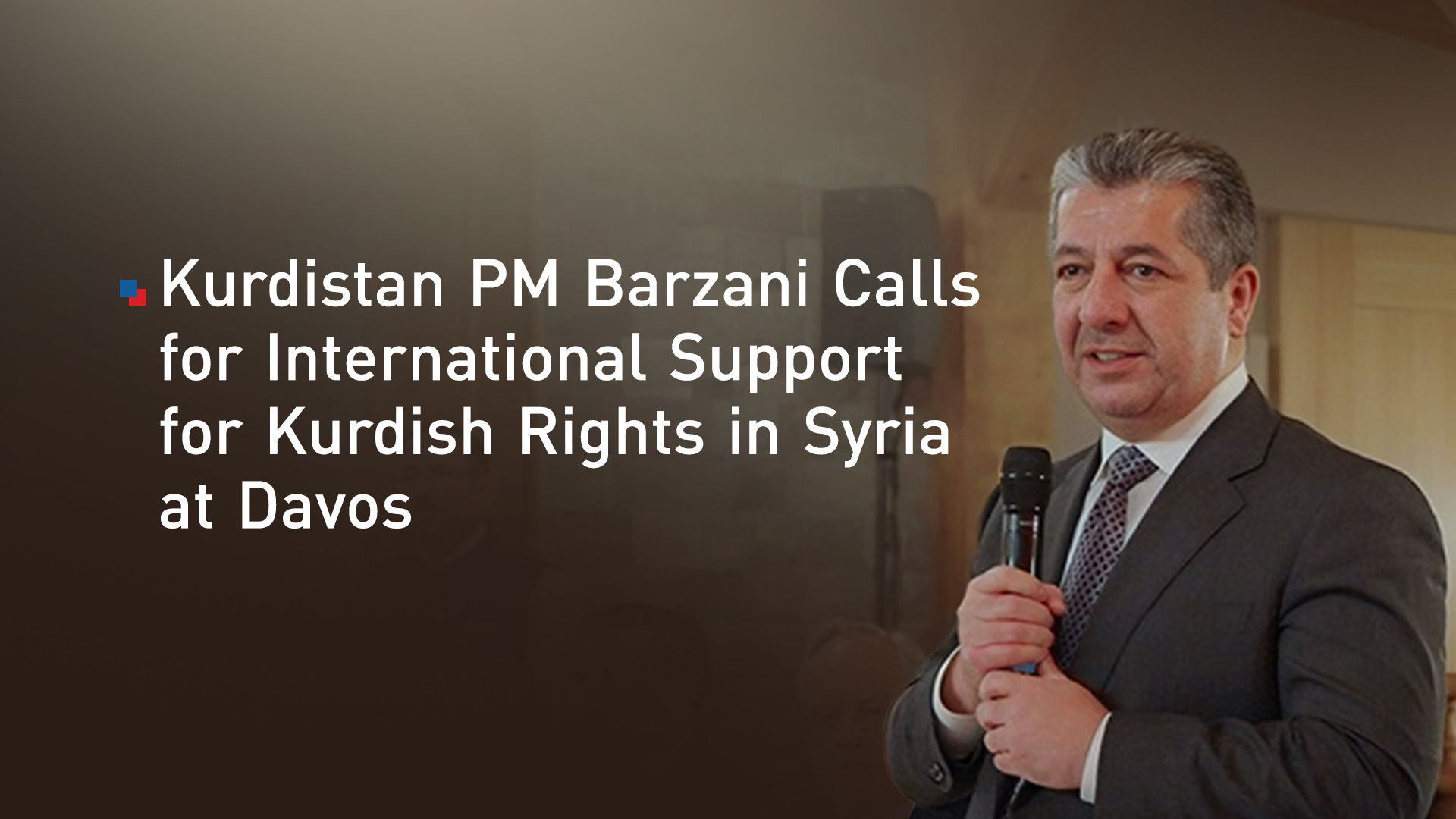
ERBIL (Kurdistan24) — Kurdistan Region Prime Minister Masrour Barzani used the World Economic Forum in Davos as a platform to seek international backing for the rights and protection of Kurds in Syria, placing the issue at the center of his diplomatic engagements with world leaders and senior officials.
During his participation in the 56th World Economic Forum, Barzani made the situation in western Kurdistan (Rojava) a key item on the agenda of his meetings, urging the international community to support Kurdish rights and to work toward ending instability in the region.
He stressed that respect for the political, civil, and cultural rights of the Kurdish people in Syria is essential and must not be violated. In a series of high-level meetings, Barzani delivered what his office described as a clear and unified message that Kurdish rights in Syria must be respected.
In talks with Jasem Mohamed AlBudaiwi, Secretary General of the Gulf Cooperation Council (GCC), Barzani underscored the historical and political role of the Kurds in Syria and reiterated the need to safeguard their legitimate rights. “We emphasize the importance of respecting the rights of the Kurdish people in Syria,” he said.
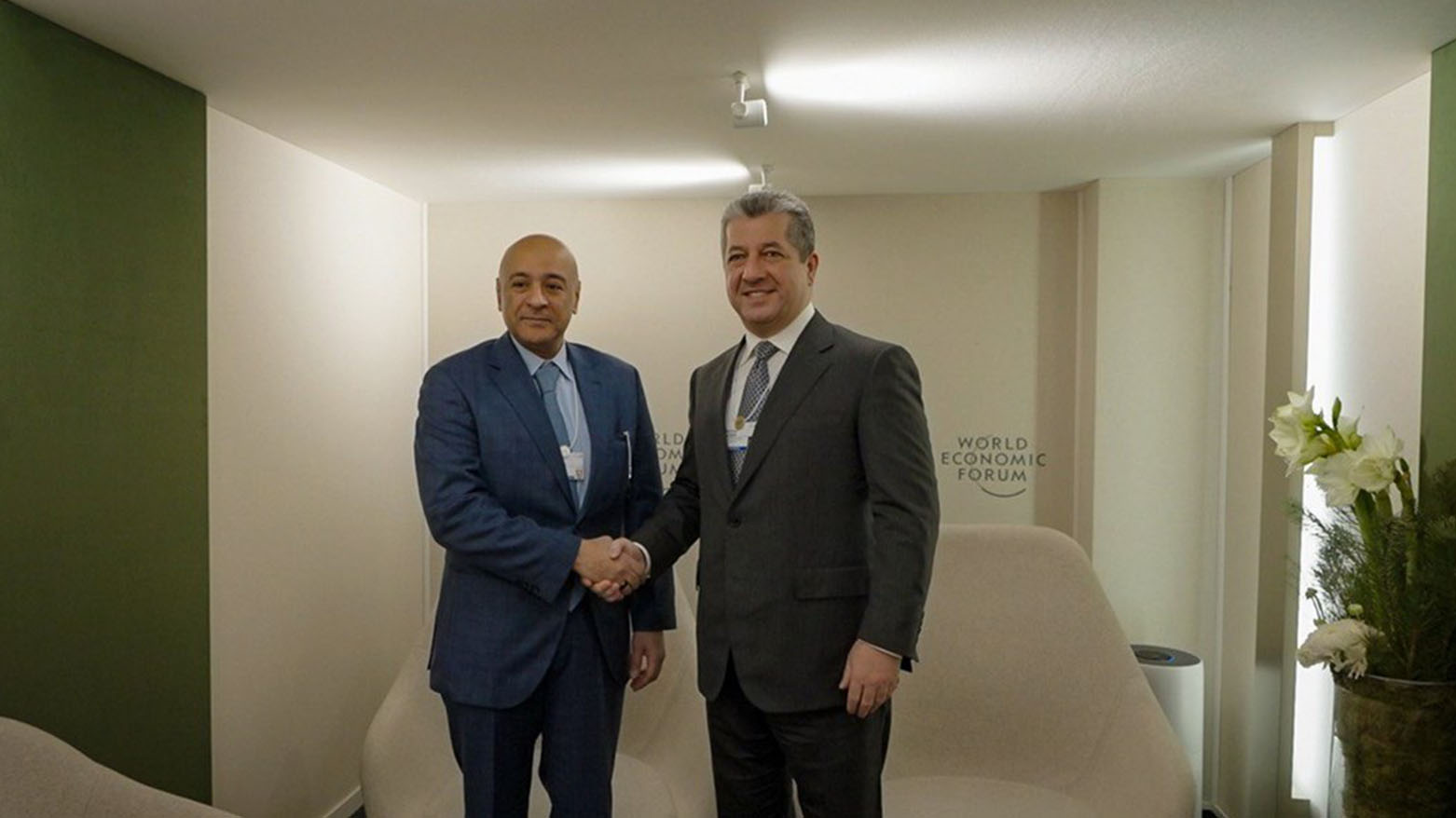
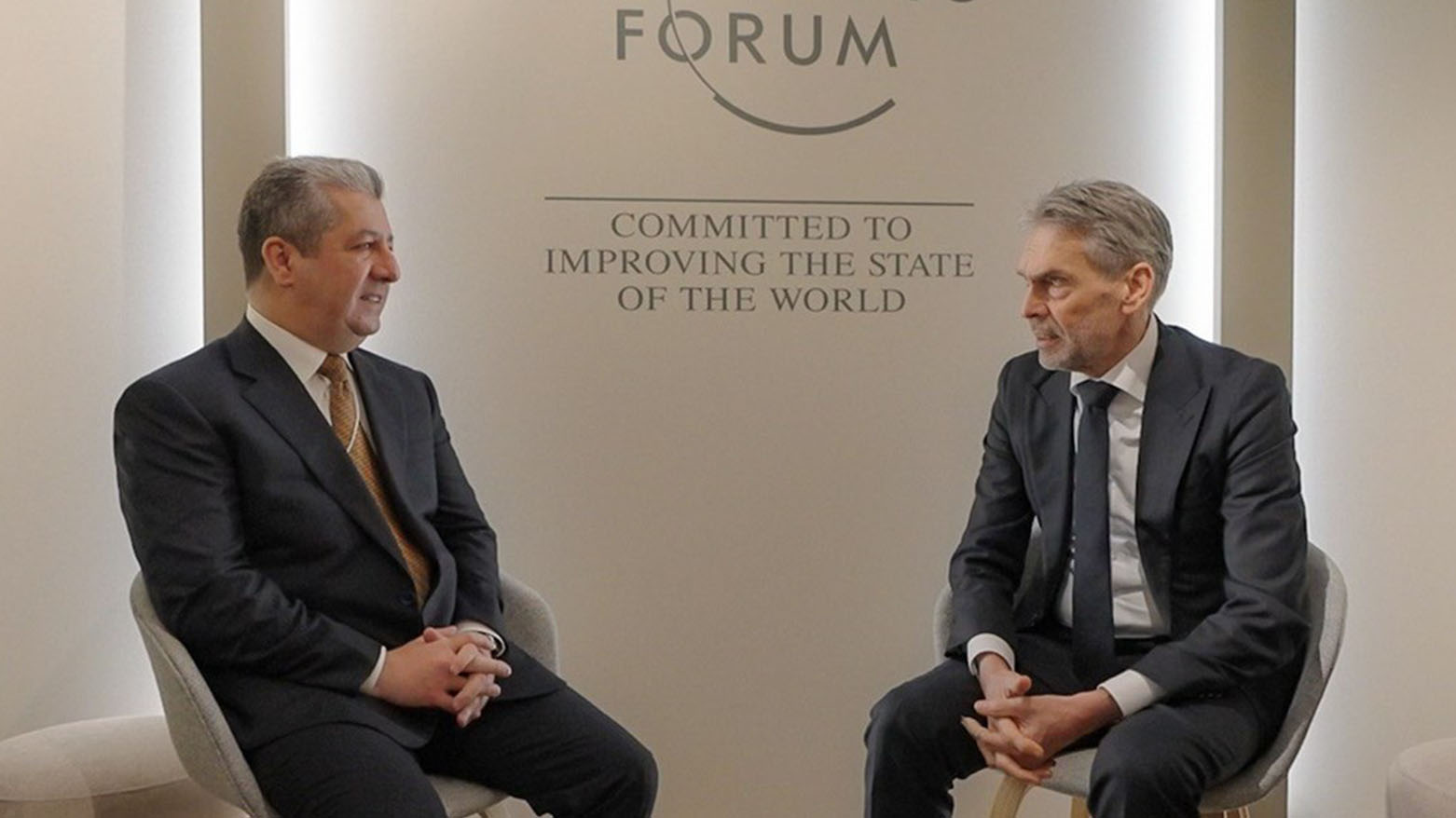
Barzani repeated the same message in a meeting with Dutch Prime Minister Dick Schoof, again stressing that any approach to Syria’s future must be grounded in respect for Kurdish rights.
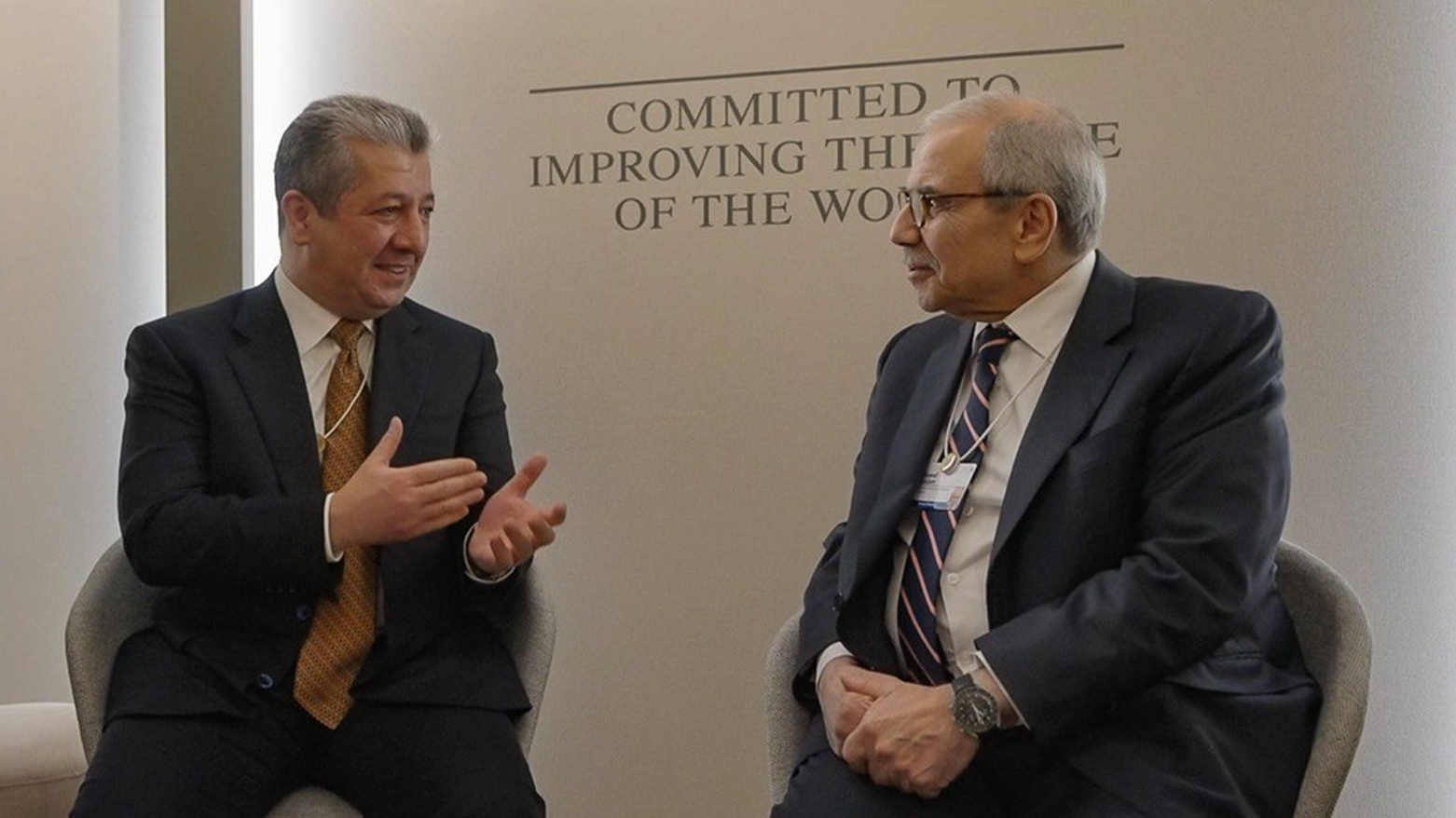
In discussions with Lebanese Prime Minister Nawaf Salam, the Kurdistan Region’s prime minister outlined a roadmap for resolving the crisis, arguing that Syria’s challenges should be addressed through dialogue and political engagement rather than military solutions.
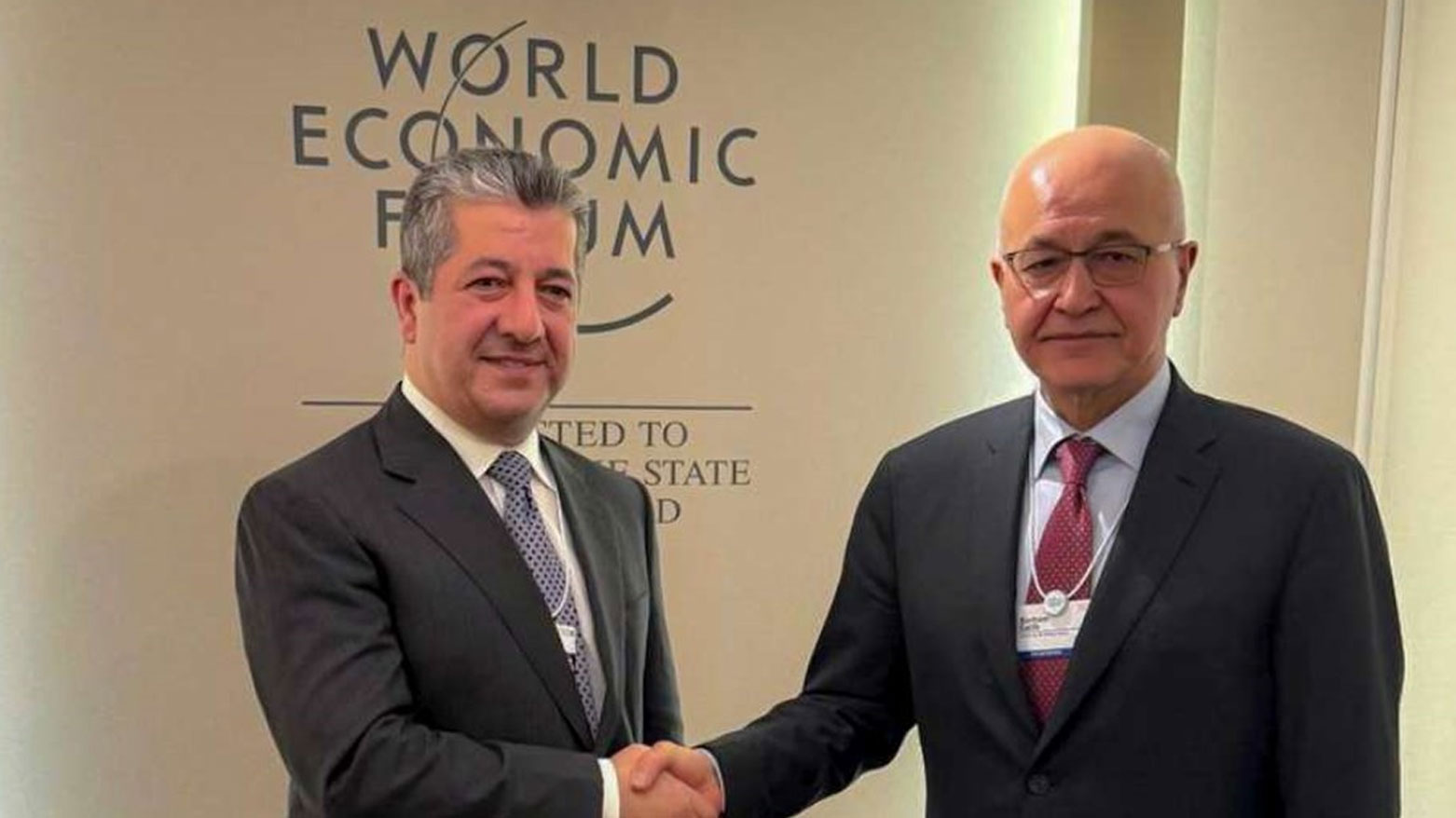
Humanitarian concerns and the growing refugee crisis were also a major focus of Barzani’s Davos meetings. In talks with UN High Commissioner for Refugees Barham Saleh, he voiced deep concern over the deteriorating situation in northeastern Syria, warning that continued clashes and confrontations would have a direct and severe impact on refugees and displaced civilians.
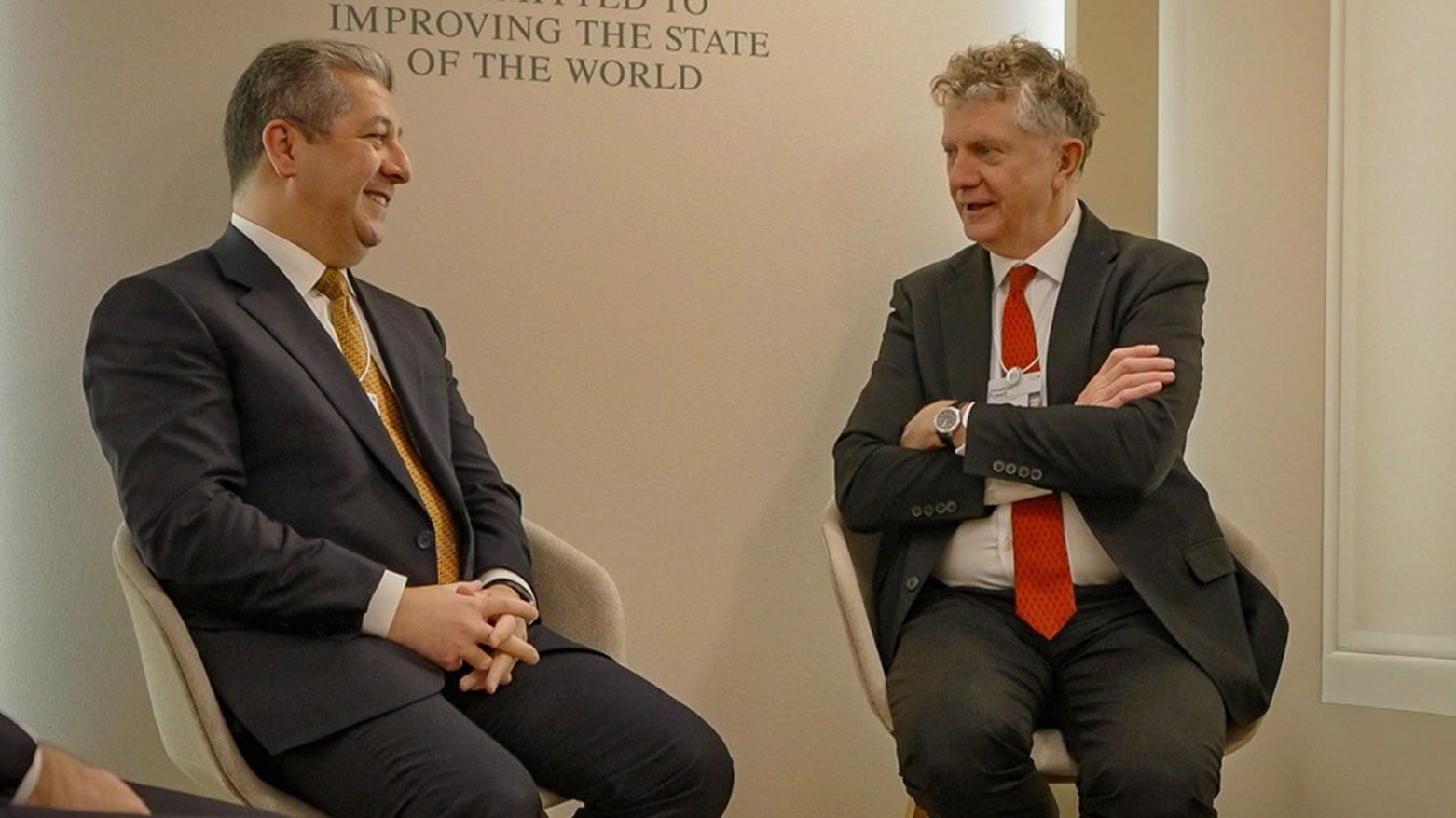
In a separate meeting with Britain’s National Security Adviser Jonathan Powell, Barzani issued a direct appeal to the international community to intervene diplomatically to halt the violence. He emphasized the urgent need to bring an end to military confrontations in Syria, warning that an escalation in Rojava could widen the conflict and pose a serious threat to regional security across the Middle East.
Barzani’s diplomatic push in Davos highlighted what officials described as a sense of national responsibility and a strategic effort to use global forums to build international pressure in defense of the Kurdish people’s legitimate rights, while advocating for a peaceful and lasting political solution to the Syrian crisis.