Volatile Security Blocks UN Access to Al-Hol Camp as Control Shifts in Syria
UNHCR says volatile security has blocked access to al-Hol camp in northeast Syria, despite aid deliveries resuming. The development follows the withdrawal of Kurdish-led forces and the entry of Syrian army units into the camp.
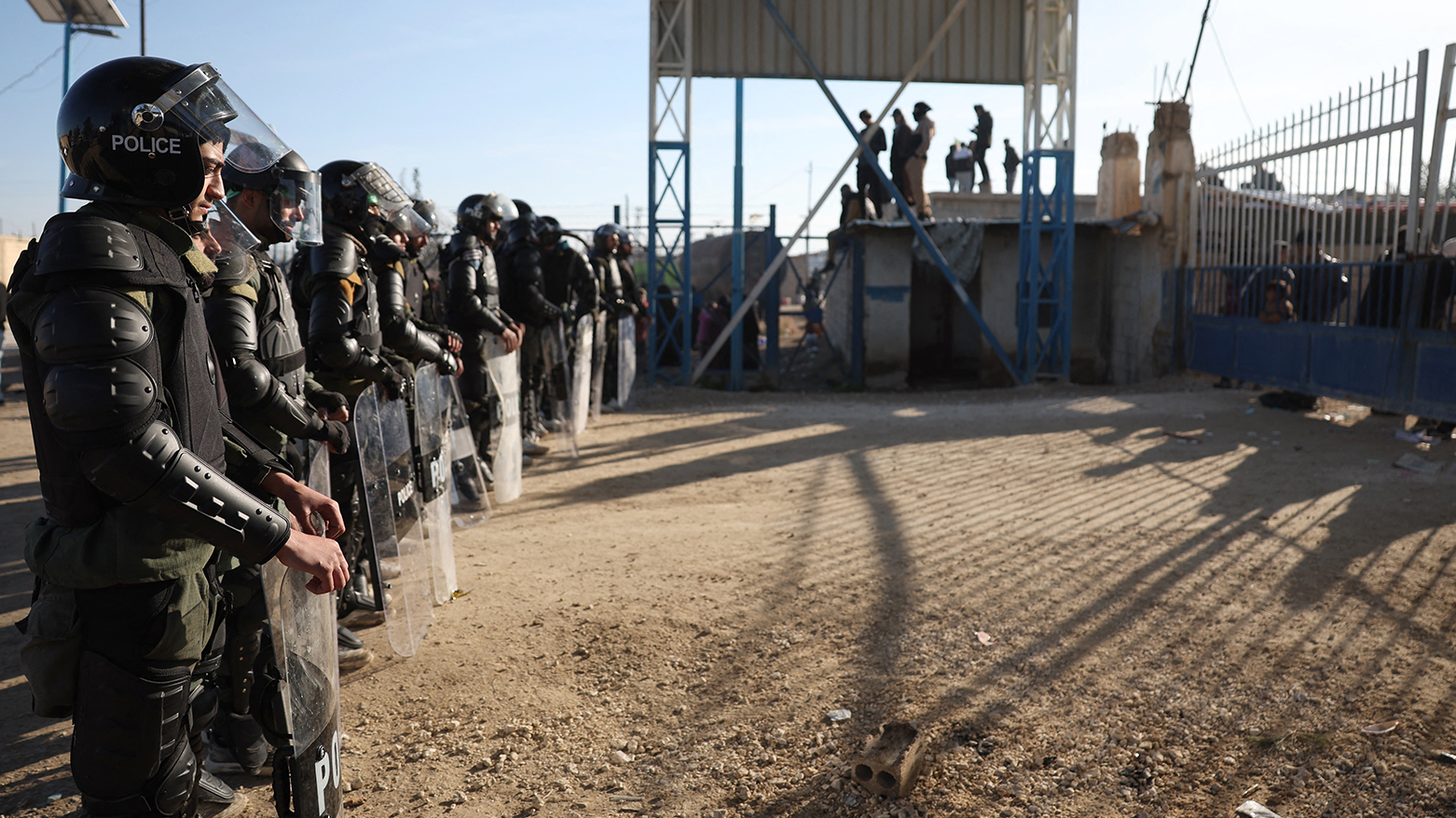
ERBIL (Kurdistan24) - Mounting security volatility in northeast Syria has prevented United Nations agencies from entering the al-Hol camp, a sprawling detention site housing thousands of suspected relatives of ISIS fighters, even as control over the camp shifts amid ongoing military developments.
The United Nations High Commissioner for Refugees (UNHCR) said poor security conditions have so far blocked its teams from entering al-Hol camp, despite reaching the area in recent days. Speaking to AFP on Friday, UNHCR spokesperson in Syria Celine Schmitt said the agency had been unable to operate inside the camp due to the unstable situation.
“UNHCR was able to reach Al-Hol for the past three days but has not yet been able to enter inside the camp due to the volatile security situation,” Schmitt said.
She noted that on the previous day, UNHCR and UNICEF succeeded in delivering trucks of water to the camp, adding that Syrian government forces have taken control of the camp’s perimeter.
Schmitt said UNHCR returned to al-Hol on Friday with the aim of resuming bread deliveries, which had been halted for three days. “UNHCR is returning to Al-Hol today, with the hope of resuming the bread delivery that had stopped for the past three days,” she said.
Located in the desert region of Hasakeh province, al-Hol is the largest camp holding suspected relatives of ISIS fighters. According to UN figures cited by Schmitt, the camp is home to around 24,000 people, including approximately 15,000 Syrians, 3,500 Iraqis, and about 6,200 foreign women and children.
She added that the Syrian government “has expressed its willingness to provide security and support to UNHCR and humanitarian partners so that humanitarian operations can resume.”
Schmitt also said UNHCR assumed responsibility for managing the camp on Jan. 1, before the recent hostilities began.
The developments follow the withdrawal of Kurdish-led forces from al-Hol camp earlier this week. In a statement issued by the Syrian Democratic Forces (SDF) Media Center on Tuesday, the forces said they had redeployed away from the camp due to escalating security threats and what they described as international indifference toward the ISIS issue.
“Due to the international community’s indifference towards the ISIS issue and its failure to assume its responsibilities in addressing this serious matter, our forces were compelled to withdraw from al-Hol camp and redeploy to areas surrounding cities in northern Syria that are facing increasing dangers and threats,” the statement said.
The SDF did not specify the scale or timing of the withdrawal but said the move was aimed at prioritizing security in urban areas facing growing risks.
Following the withdrawal, Kurdish forces left al-Hol on Tuesday, and Syrian army forces entered the camp the following day, as Damascus seeks to extend its control across northeast Syria.
As security control over al-Hol continues to shift, UN agencies say humanitarian access remains constrained by instability, even as efforts continue to restore aid delivery to one of the region’s most sensitive and overcrowded camps.