Former Iraqi Chief of Staff Advocates for Capital Punishment for ISIS Detainees Relocated from Syria
Babakir Zebari, former Iraqi Chief of Staff, urged capital punishment for ISIS fighters transferred from Syria, citing their danger. He backed the SDF as vital to preventing a regional catastrophe.
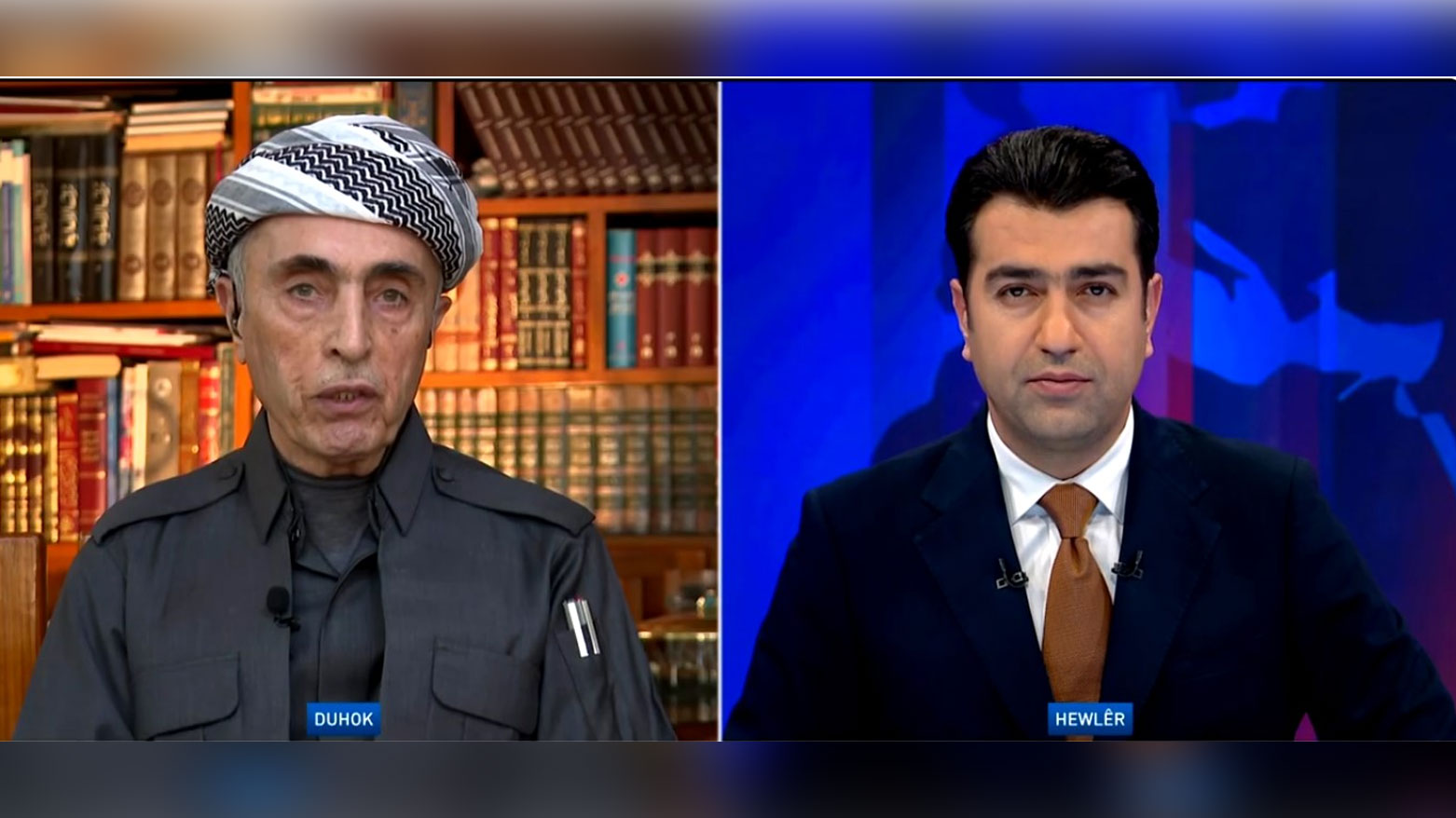
ERBIL (Kurdistan24) - Babakir Zebari, the former Chief of Staff of the Iraqi Army, called on Saturday for the trial and execution of Islamic State militants currently being transferred from Syria to Iraq, describing the detainees as high-risk individuals responsible for significant violence. Speaking in an interview with Kurdistan24, Zebari asserted that the fighters entering Iraqi jurisdiction possess "blood on their hands" and must face the most severe legal penalties to ensure national and regional stability.
The remarks by the former military commander arrive as the Iraqi government accelerates a large-scale repatriation and detention effort in coordination with international partners.
Zebari’s stance highlights the intense domestic pressure on the Iraqi judiciary to handle the influx of thousands of combatants with a policy of maximum deterrence.
He argued that the political and social landscape of Iraq has undergone a fundamental transformation since the group’s initial rise in 2014, making any potential for a domestic resurgence unlikely due to the "bitter experience" endured by the population during the height of the organization’s territorial control.
Warnings on Syrian Security and the Role of the SDF
Addressing the precarious security environment in neighboring Syria, Zebari expressed grave concern regarding the proliferation of unregulated armed groups in territories currently outside of central government control.
He specifically identified militias such as the Sultan Murad and Hamzat groups as destabilizing actors that operate without an official command structure.
According to the former Chief of Staff, the "uncontrolled manner" in which these groups function creates a security vacuum that increases the risk of an Islamic State resurgence in the Syrian plains.
In this context, Zebari emphasized the strategic necessity of the Syrian Democratic Forces (SDF) as a stabilizing element.
He characterized the SDF as an essential "protective force" in the region, warning that any effort to dismantle the organization or remove it from the security architecture would lead to a "major catastrophe."
This assessment aligns with the broader Kurdish concern that the erosion of autonomous security structures in Rojava could allow extremist sleeper cells to reorganize and threaten the borders of the Kurdistan Region and federal Iraq.
Iraqi Custodial and Security Capabilities
In response to inquiries regarding Iraq’s capacity to secure high-value terrorists, Zebari provided assurances that the state possesses the necessary infrastructure and institutional experience.
He noted that the Iraqi government has "full capability" and high-security prisons specifically designed to prevent breaches. He cited Iraq's prior history in guarding and managing terrorist detainees as evidence that the state can maintain control over the thousands of individuals slated for transfer.
However, the logistical scale of the ongoing operation remains significant.
The Iraqi Ministry of Interior confirmed on Saturday that a second convoy of Islamic State detainees is scheduled to arrive from Syria within the coming days. Miqdad Miri, the spokesperson for the Interior Ministry, told Kurdistan24 that the upcoming movement follows the successful handover of 150 fighters to date.
These transfers are being conducted under the joint supervision of the Iraqi Ministry of Interior and the United States Central Command (CENTCOM).
According to Miri, the U.S.-led International Coalition has signaled its readiness to provide logistical support for the transportation and protection of these prisoners.
The Ministry of Interior’s plan involves distributing the detainees across a variety of facilities rather than housing them in a single centralized location. Previous reports from the ministry identified prisons in the provinces of Nasiriyah, Hillah, and Nineveh as the primary sites for these detainees.
The Preemptive Strategy and Border Fortification
The Iraqi government has framed the relocation of these fighters as a necessary measure to protect national security amidst growing instability in northeastern Syria.
Basim Alawadi, the spokesperson for the Iraqi government, characterized the move as a "preemptive step" intended to prevent extremist groups from exploiting the precarious status of jails currently controlled by the SDF.
U.S. Central Command has indicated that the ultimate goal of the operation is the transfer of approximately 7,000 Islamic State prisoners from Syrian territory to Iraqi jurisdiction.
To manage the risks associated with this high-volume transfer, Iraqi authorities have established a rigorous defensive posture along the border with Syria. Officials have implemented a triple-layered security system consisting of three distinct defensive lines to repel any potential cross-border threats.
This architecture is overseen by the border guards, the Iraqi army, and the Popular Mobilization Forces (PMF). This layered defense is intended to ensure that the transfer process remains secure and that the frontier is insulated from infiltration attempts by insurgent cells.
The operational and strategic details of this plan were recently reviewed by Prime Minister Mohammed Shia al-Sudani during a meeting with Admiral Brad Cooper, the Commander of the U.S. Central Command.
During that briefing, the Prime Minister emphasized that his administration possessed "early foresight" regarding the regional situation, which allowed for the fortification of the national frontier using methods implemented for the first time in Iraqi history.
Diplomatic Pressure and International Responsibility
Beyond the military and security components, the transfer process has ignited a diplomatic debate regarding the responsibility for foreign combatants. Prime Minister al-Sudani has utilized the ongoing operations to call on Western governments, particularly those in the European Union, to repatriate their nationals among the detainees.
According to data provided by the Interior Ministry, the anticipated 7,000 transferees include a significant proportion of foreign nationals—estimated at 5,000 individuals—compared to roughly 2,000 Iraqi citizens.
In recent high-level communications, including a telephone call with French President Emmanuel Macron, the Prime Minister insisted that foreign governments must assume the legal and custodial burden for their own citizens.
The Iraqi government has indicated that while it is willing to secure the region, the long-term detention of thousands of foreign fighters is a responsibility that must be shared by the international community.
Simultaneously, the Supreme Judicial Council of Iraq has begun processing the legal files of the transferred prisoners to formalize their status under national law.
Kurdish Unity and Military Discipline
Zebari concluded his remarks by addressing the broader Kurdish response to the crisis in Syria. He noted that the recent wave of demonstrations and public support for Rojava across the United States, Europe, Australia, and the Middle East represented a "very significant opportunity" for Kurdish unity.
He characterized these movements as a vital display of Kurdish strength on both the internal and external stages.
However, the former Chief of Staff issued a stern warning regarding the participation of youth in military efforts. He stated that the "random" departure of untrained youth to the front lines, absent of professional military command or training, is a strategic error.
Zebari argued that such actions undermine military organization and could lead to unnecessary casualties, urging that support for the Kurdish cause should be channeled through established, disciplined structures rather than uncoordinated individual efforts.
As the second convoy of detainees prepares to cross the border, the intersection of Zebari’s calls for capital punishment and the government’s focus on border security and international repatriation underscores the complex legal and security dilemmas Iraq faces in managing the legacy of the Islamic State’s territorial caliphate.