Ceasefire Between Syria and Kurdish Forces Expires Amid Rising Uncertainty
A four-day ceasefire between the Syrian government and the SDF expired Saturday night, with both sides accusing each other of violations and no agreement on an extension, raising uncertainty over whether talks or renewed fighting will follow.
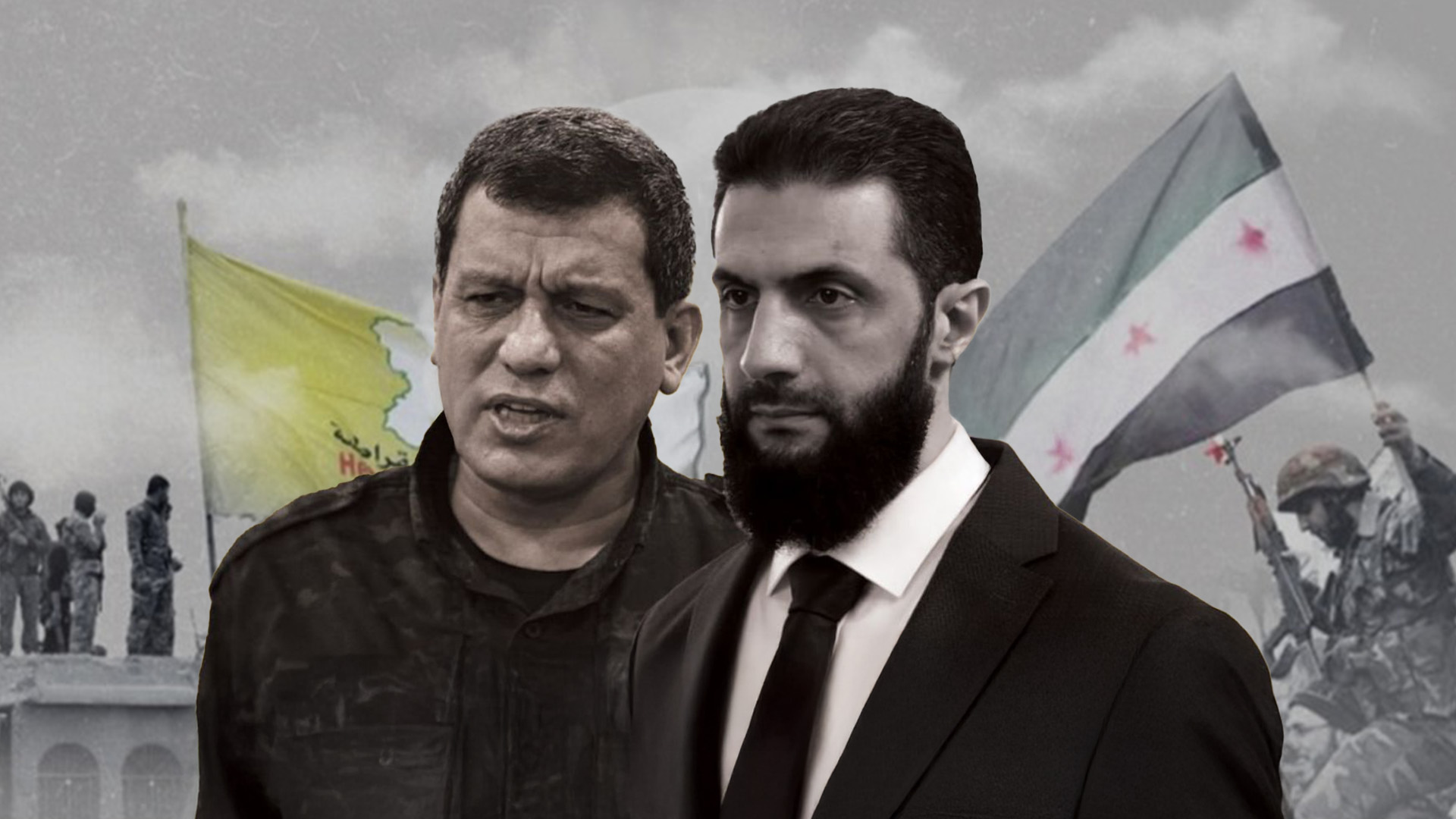
ERBIL (Kurdistan24) - As night fell across Western Kurdistan (Northeast Syria), a fragile four-day ceasefire between the Syrian government and Kurdish forces expired, leaving opposing troops facing one another across tense front lines and raising fresh uncertainty over whether dialogue or renewed confrontation will follow.
The four-day ceasefire between the Syrian government and the Kurdish-led Syrian Democratic Forces (SDF) expired at 8:00 p.m. (1700 GMT) on Saturday, with both sides exchanging accusations of violations and offering sharply different accounts of the truce’s outcome.
Syrian troops and SDF forces remained massed on opposite sides of front lines surrounding the last cluster of Kurdish-held cities as the deadline passed. Syrian Information Minister Hamza al-Mustafa said the time given to the SDF had ended, adding in a post on X that “the Syrian government affirms that it is now considering its next options.”
A government source also told the state news agency SANA that the ceasefire with the SDF had ended and that the Syrian government was studying its options. Syria’s Foreign Ministry denied reports that an agreement to extend the ceasefire had been reached, describing such claims as baseless. The ministry said there had been no “positive response” to the government’s proposal and accused the SDF of repeated violations of the truce.
There was no immediate comment from the SDF on the fate of the ceasefire. However, in a later statement, the SDF accused the Syrian government of moving toward escalation in a “systematic manner.” The statement said that military build-ups and logistical movements had been observed, which “clearly indicate an intent to escalate and push the region toward a new confrontation.”
The ceasefire had been announced earlier in the week after Syrian government forces advanced toward remaining SDF strongholds. President Ahmed al-Sharaa had declared the truce and given the SDF until Saturday night to lay down arms and present a plan for integration into Syria’s army, warning that fighting would resume if no agreement was reached.
Over the past two weeks, government troops have seized wide areas of northern and eastern Syria from the SDF in a rapid series of developments that have consolidated President Sharaa’s rule. As the deadline approached, Syrian forces and the SDF remained positioned near one another, with uncertainty surrounding the next phase.
According to information provided, the United States has been engaging in shuttle diplomacy aimed at establishing a lasting ceasefire and facilitating the integration of the SDF into the Syrian state led by President Ahmed al-Sharaa. The SDF had for years been Washington’s main partner in Syria.
Senior US and French officials have urged Sharaa not to deploy his forces into remaining Kurdish-held areas, citing fears that renewed fighting could lead to mass abuses against Kurdish civilians. Diplomatic sources said these concerns stem from previous sectarian violence in which government-affiliated forces killed nearly 1,500 people from the Alawite minority and hundreds of Druze, including in execution-style killings.
Amid instability in the northeast, the US military has been transferring hundreds of detained ISIS fighters from Syrian prisons formerly run by the SDF into Iraq. As the Saturday deadline neared, SDF forces reinforced defensive positions in Qamishli, Hasakeh, and Kobane in preparation for a possible confrontation.
These developments mark the culmination of a year of rising tensions. President Sharaa, whose forces toppled longtime ruler Bashar al-Assad in late 2024, has pledged to bring all of Syria under state control, including SDF-held areas. Kurdish authorities, who have run autonomous civilian and military institutions in the northeast for the past decade, have resisted integration into Sharaa’s Islamist-led government.
After a year-end deadline for merger talks passed with limited progress, Syrian troops launched an offensive this month, swiftly capturing two Arab-majority provinces from the SDF. These gains brought key oil fields, hydroelectric dams, and facilities holding ISIS fighters and affiliated civilians under government control.
With the ceasefire expired and positions hardened, Syria’s northeast now stands at a critical juncture, as uncertainty over negotiations and the risk of renewed fighting loom over the region.