Israeli Airlines Ease Cancellation Rules as Fears Grow of Escalating Tensions in the Middle East
Regional and international carriers suspend or reroute flights amid warnings of possible airspace closures across the Middle East.
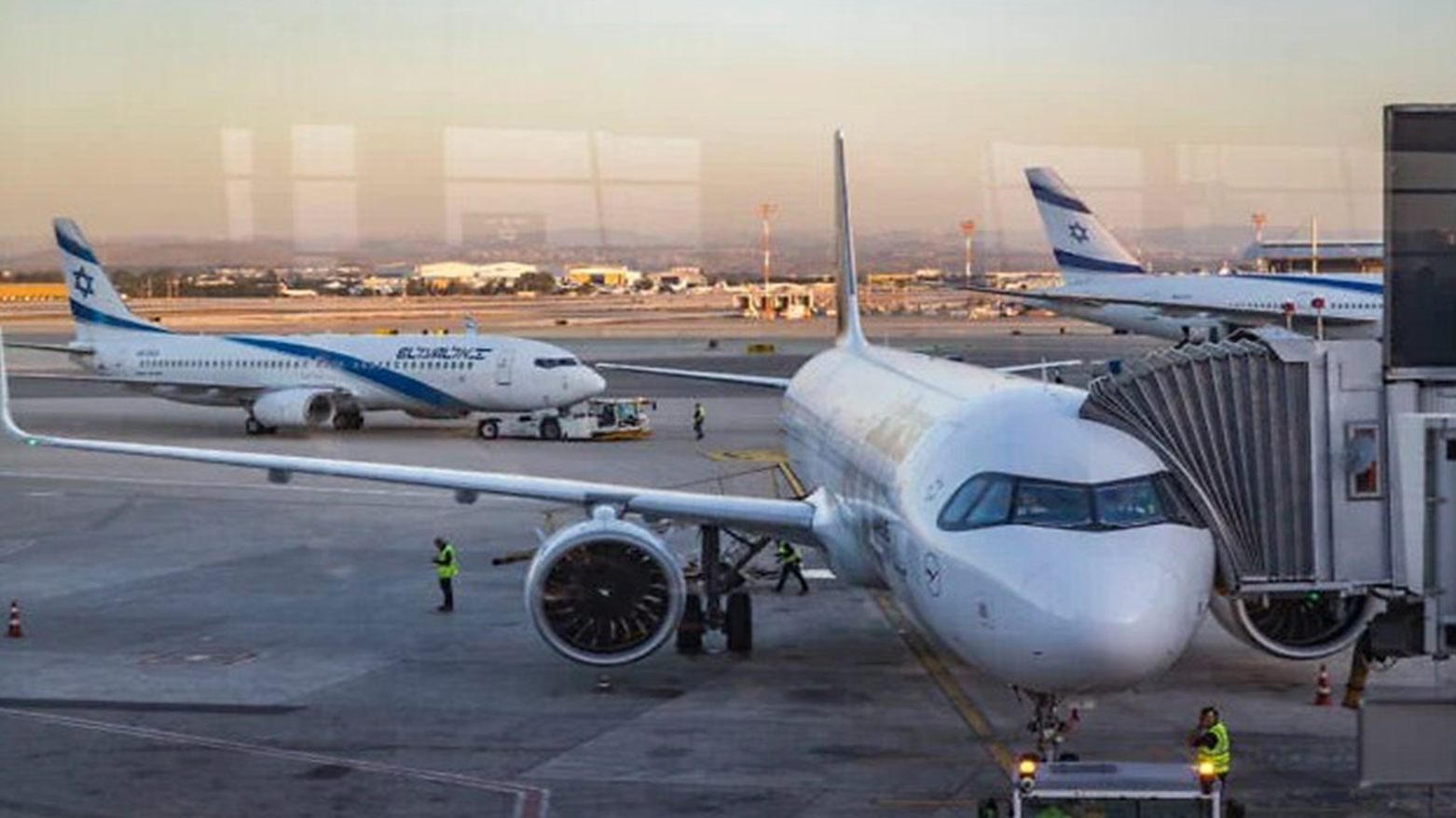
ERBIL (Kurdistan24) — Israeli airlines have moved to ease ticket cancellation conditions as fears grow of escalating tensions in the Middle East that could disrupt air travel and lead to sudden flight suspensions, echoing past shutdowns that left tens of thousands of passengers stranded.
El Al, Arkia, and Israir announced on Sunday that they were adjusting their policies after receiving a surge of inquiries from passengers worried their flights could be canceled if hostilities erupt.
While Ben Gurion Airport is currently operating normally — aside from several US-bound flights canceled due to weather — airlines acknowledged growing public anxiety over the security situation.
El Al said it would allow passengers to cancel tickets for any reason up to 48 hours before departure in exchange for a full credit refund valid for the next two weeks, with no cancellation fees. Arkia announced it would adopt the same policy. Israir, meanwhile, is offering passengers the option to purchase a “cancellation shield” for $35 per ticket, enabling them to cancel up to three days before departure for a refund, instead of the usual seven, through the end of February.
The measures come as Israel remains on high alert amid the risk of escalation with Iran. During the 12-day war between Israel and Iran in June 2025, Israeli airspace was effectively closed, grounding all commercial flights and leaving tens of thousands of travelers unable to leave or return to the country.
Concerns are not limited to Israeli carriers. Several international airlines have begun preemptively canceling or rerouting flights across the Middle East. Dutch airline KLM said it would avoid flying over large parts of the region until further notice, suspending services to Tel Aviv, Dubai, Dammam, and Riyadh. The airline also said it would not operate in the airspace of Iraq, Iran, Israel, or several Gulf states.
Air France briefly suspended flights to Dubai before resuming service on Saturday, saying it was monitoring developments in the Middle East “in real time.” Other major carriers, including Lufthansa, have also halted or restricted operations in parts of the region, according to international media reports.
Israel’s Civil Aviation Authority has warned foreign airlines that the security environment could deteriorate further. In a letter obtained by Channel 12, authority head Shmuel Zakai cautioned that the region may be entering a “more sensitive period” by the end of the week, noting that the situation remains “dynamic.”
He stressed that Israel could again close its airspace if necessary, as it did during Iranian confrontations in April and October 2024 and again in June 2025.
Following publication of the letter, Zakai issued a clarification saying he was referring to the previous weekend, though the letter itself explicitly referenced the upcoming days, according to Channel 12.
The aviation disruptions reflect wider regional instability. Iran has reportedly suspended most civilian aviation for three months, while airlines across Europe, North America, and the Middle East are avoiding Gulf airspace.
The heightened caution coincides with the deployment of a major US naval force to the region, further fueling fears of a broader conflict.
As tensions rise, aviation authorities and airlines say they are preparing for rapid changes, warning passengers to expect further cancellations or sudden airspace closures should the security situation deteriorate.