World Food Program Halts Operations in Rebel-Held Yemen After Terminating Staff Contracts
UN agency cites arrests and funding pressures as hunger crisis deepens in Houthi-controlled areas.
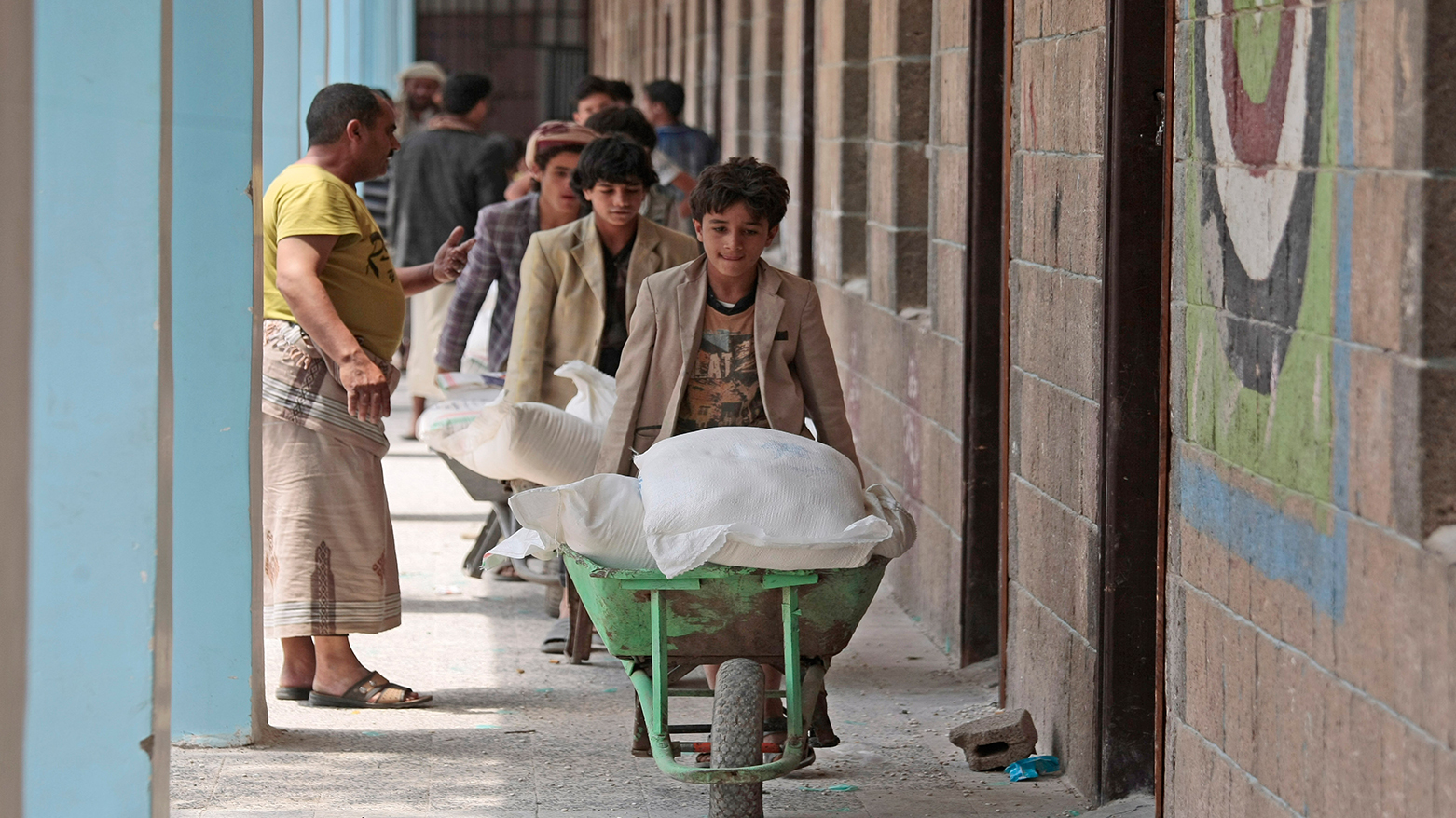
ERBIL (Kurdistan24) — The World Food Program (WFP) is terminating the contracts of all its staff operating in Houthi-controlled parts of Yemen, effectively bringing its activities in those areas to a halt despite a worsening humanitarian crisis, a United Nations official said on Thursday.
The decision affects 365 staff members and will take effect at the end of March, the official told AFP on condition of anonymity. The move follows the arrest of dozens of aid workers by Houthi authorities, combined with what the official described as an increasingly “challenging funding environment.”
The suspension marks a significant setback for humanitarian efforts in Yemen, where millions of people rely heavily on international food assistance to survive. Houthi-controlled areas, including the capital Sanaa and much of northern Yemen, are among the most densely populated and food-insecure parts of the country.
Yemen has endured more than a decade of conflict that has devastated its economy, infrastructure, and basic services. The war, which began in 2014 when the Iran-aligned Houthi movement seized Sanaa, has drawn in a Saudi-led coalition backing the internationally recognized government and has produced what the United Nations has repeatedly described as one of the world’s worst humanitarian crises.
The World Food Program has been a cornerstone of relief efforts, providing food assistance to millions across Yemen. However, its operations have faced growing obstacles, including insecurity, restrictions imposed by local authorities, and repeated funding shortfalls as donor fatigue sets in amid multiple global crises.
In recent months, the Houthis have detained dozens of Yemeni and international staff working for the United Nations and other aid organizations, accusing them of espionage and collaboration with foreign powers—allegations the UN has strongly rejected.
Aid agencies have warned that such arrests undermine humanitarian neutrality and make it increasingly difficult to operate safely.
The funding squeeze has further compounded the problem. WFP and other agencies have scaled back rations and assistance levels in Yemen over the past year as donor contributions declined, even as food prices rose and living conditions deteriorated.
According to UN estimates, more than 17 million Yemenis face acute food insecurity, with millions on the brink of famine-like conditions.
The termination of WFP staff contracts in Houthi-held areas raises fears that hunger and malnutrition will worsen sharply, particularly among children, pregnant women, and displaced families.
Humanitarian officials warn that without improved access, security guarantees, and renewed international funding, lifesaving aid efforts in Yemen could continue to unravel.