Iraq’s Presidential Election Delayed Amid Internal Shia Disputes and U.S. Influence
Kurdish Parties Seek Consensus While Washington Exerts Veto on Maliki’s Premiership.
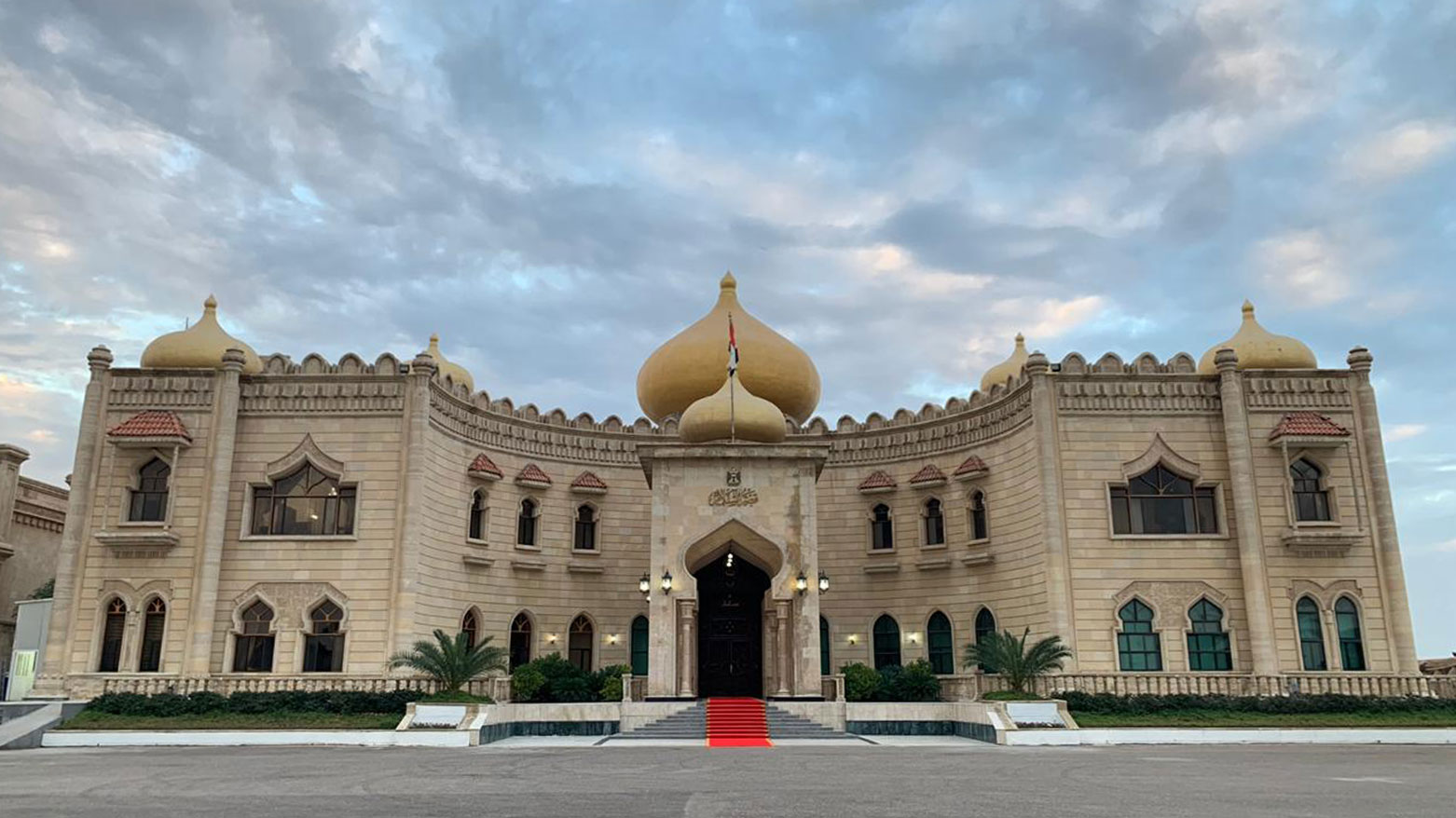
ERBIL (Kurdistan24) — Iraq’s long-awaited presidential election remains on hold amid heightened tensions within the Shia political bloc and U.S. warnings over potential candidates, sources told Kurdistan24. The impasse has left parliament unable to move forward with subsequent government formation steps, underscoring the fragility of Iraq’s political process.
According to a senior Iraqi government source, if parliamentary sessions scheduled for Monday proceed as planned, the election of the president will still not be on the agenda. The delay is tied not only to ongoing disagreements between the Kurdistan Democratic Party (KDP) and Patriotic Union of Kurdistan (PUK) over a shared presidential candidate but also to deepening divisions within Iraq’s Shia political house.
The source said Washington has exercised a “veto” of sorts, exerting strong pressure within Shia factions against nominating Nouri al-Maliki for the prime minister’s post. This external pressure, combined with internal disagreements, has effectively stalled the presidential vote.
Under Iraq’s constitution, the president is first tasked with assigning the prime minister candidate nominated by the largest parliamentary bloc the mandate to form a government; without consensus on the prime minister candidate, the presidential election cannot proceed.
Officials indicated that KDP and PUK leaders are expected to convene this week to negotiate and reach an agreement on their joint candidate.
The source emphasized that the resolution of Iraq’s political deadlock depends on two key conditions: agreement among Kurdish parties on their candidate and reconciliation of internal Shia disagreements regarding the premiership
The parliamentary sessions scheduled for Monday will focus on two main items: resuming the work of parliamentary committees where some members had previously stepped aside, and voting on the permanent composition of the parliamentary blocs and distribution of seats across committees, paving the way for broader government formation once consensus is achieved.
Iraq’s political deadlock comes at a time of increasing regional and international scrutiny, with U.S. officials closely monitoring developments and applying pressure on Shia factions to avoid the return of Maliki to the premiership.
The outcome of this week’s talks between Kurdish and Shia leaders is expected to be decisive in setting the course for Iraq’s next government.