Iraq Launches Major Judicial Investigation into Thousands of ISIS Detainees Transferred from Syria
The number of suspects is expected to range between 7,000 and 8,000.
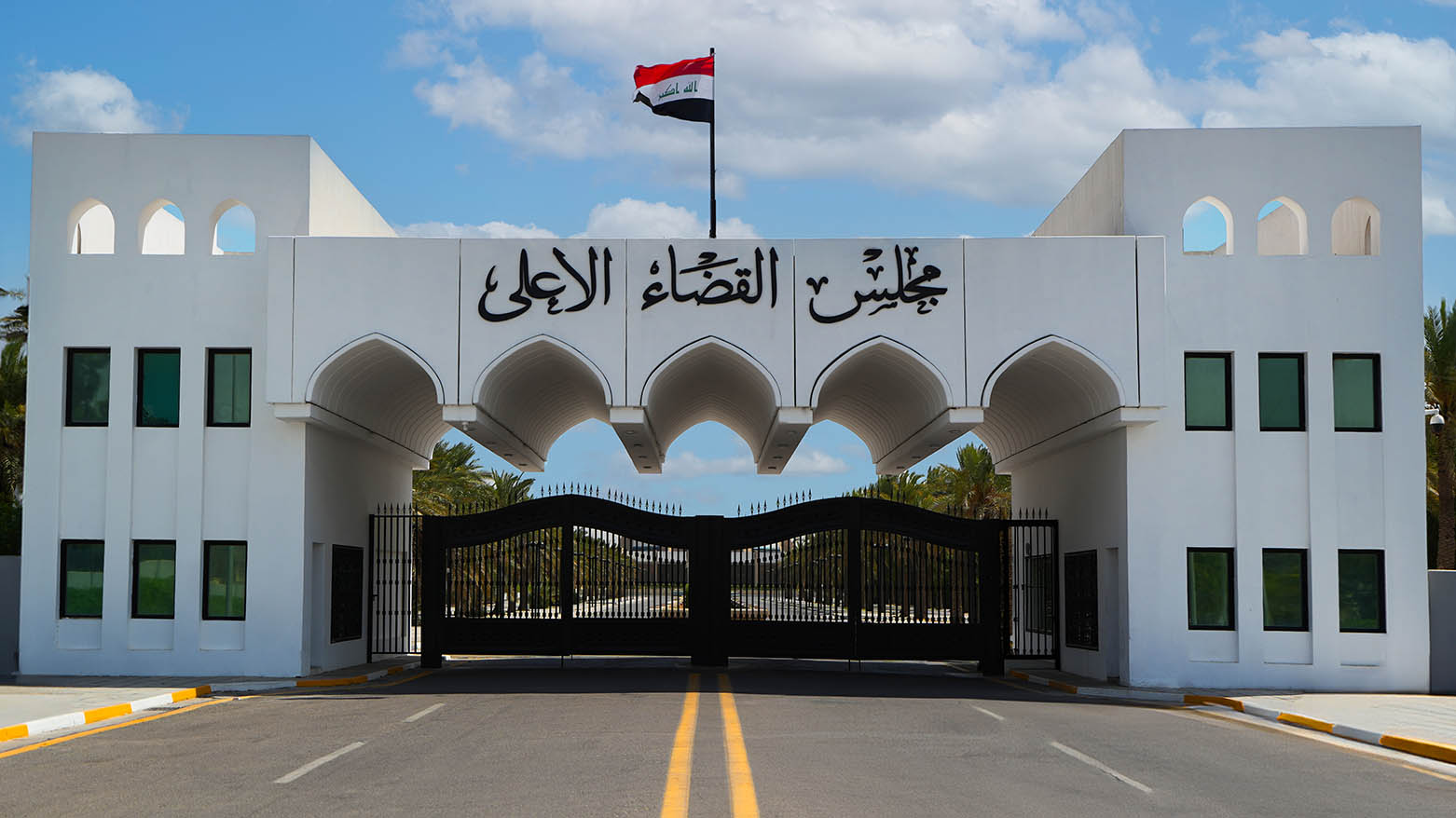
ERBIL (Kurdistan24) – The Supreme Judicial Council of Iraq announced on Sunday the launch of a wide-ranging judicial investigation into thousands of detained ISIS fighters recently transferred from Syria to Iraq.
In a statement, the Council said the suspects — who hold citizenship of 42 different countries — will be prosecuted under Iraqi law. It emphasized that none of the detainees will be extradited until investigations into their alleged crimes are fully completed.
The National Center for International Judicial Cooperation, affiliated with the Supreme Judicial Council, confirmed that the investigation process has begun under the supervision of the Karkh Investigation Court I. The number of suspects is expected to range between 7,000 and 8,000.
To accelerate proceedings, the court has been reinforced with additional judges and members of the public prosecution to conclude all cases within four to six months.
The investigation, which officially commenced on Sunday, relies on a comprehensive database documenting crimes committed by ISIS in Iraq between 2014 and 2017. Among the detainees are senior ISIS leaders, individuals accused of genocide against religious communities, and suspects allegedly involved in the use of chemical weapons during the conflict.
The court noted that the militants had been held in detention facilities in Syria without undergoing formal judicial investigations, prompting Iraqi authorities to initiate the inquiry to determine their legal responsibility.
Following ISIS’s military defeat in Iraq in 2017, thousands of foreign fighters remained detained in prisons in northern and eastern Syria under the control of the Syrian Democratic Forces (SDF). The transfer and prosecution of these detainees under Iraqi jurisdiction come amid continued reluctance by several countries to repatriate their citizens, placing significant legal and security responsibilities on Iraq.