Iran Signals Willingness to Compromise on Nuclear Deal if US Engages on Sanctions
Tehran emphasizes sanctions discussions and regional diplomacy ahead of Geneva negotiations, while ruling out talks on ballistic missiles.
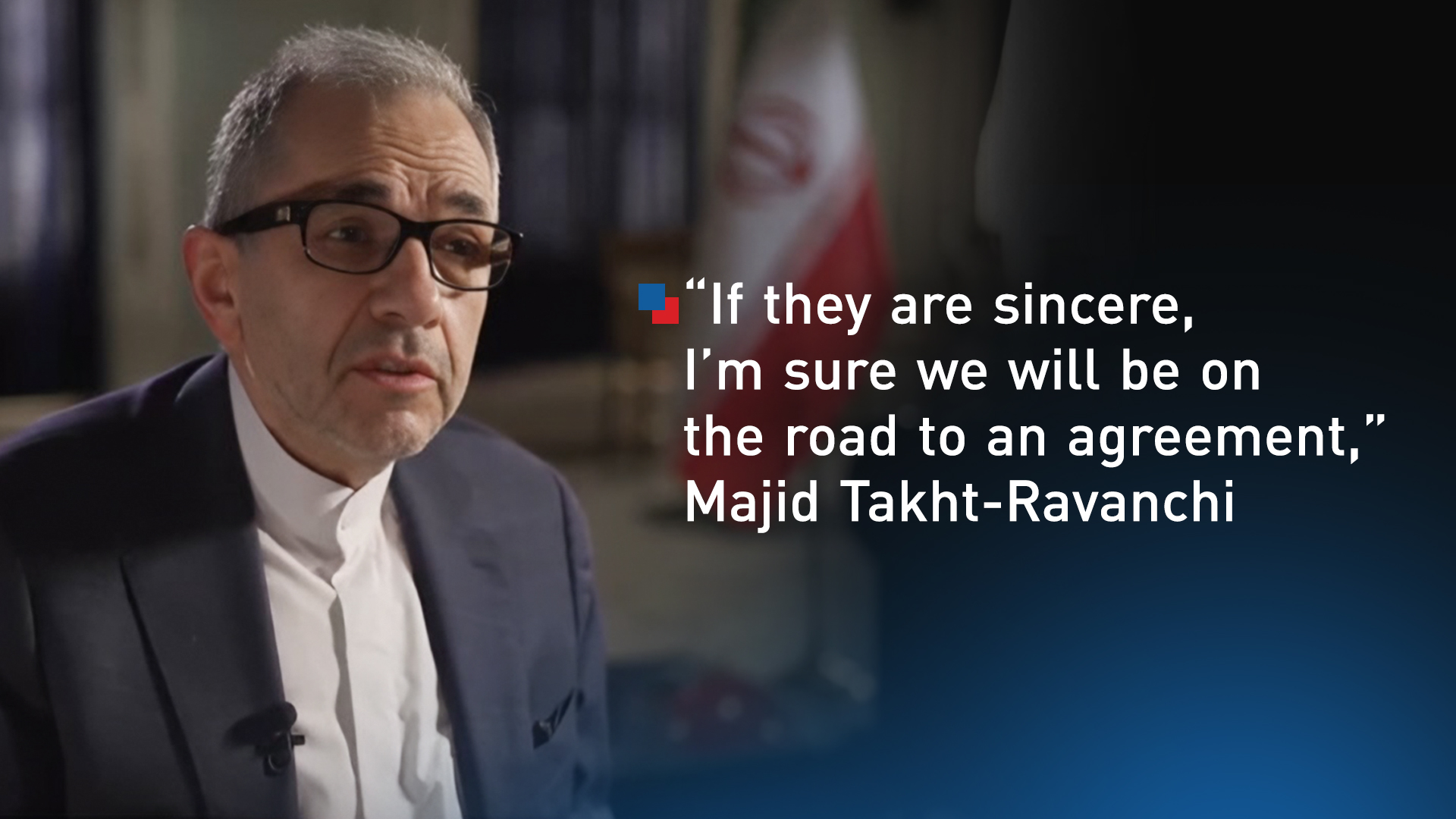
ERBIL (Kurdistan24) — Iran has signaled it is ready to consider compromises to reach a nuclear agreement with the United States, provided Washington demonstrates a willingness to discuss the lifting of sanctions, Iranian Deputy Foreign Minister Majid Takht-Ravanchi said in an interview with the BBC on Saturday.
Speaking from Tehran ahead of the next round of talks in Geneva, Takht-Ravanchi said the ball is “in America’s court to prove that they want to do a deal.” He added that Tehran is prepared to discuss issues such as the dilution of its 60%-enriched uranium stockpile, which is near weapons-grade, as a sign of flexibility. “If they are sincere, I’m sure we will be on the road to an agreement,” he said.
The comments come as US officials, including Secretary of State Marco Rubio, have insisted that Iran is the primary obstacle to progress in the protracted negotiations.
President Donald Trump has emphasized his preference for a deal but warned that reaching one is “very hard to do,” while also threatening military action should diplomacy fail. The United States has simultaneously increased its military presence in the region.
Takht-Ravanchi underscored that Tehran would not discuss its ballistic missile program, a key demand from Israel and US officials, describing the country’s missile capabilities as a defensive necessity.
He also questioned Trump’s mixed messaging on negotiations, noting that while private communications indicated willingness to resolve issues peacefully, public statements by the US president continued to focus on regime change.
Iranian officials have participated in indirect talks with the US in Oman earlier this month, which Takht-Ravanchi described as “more or less in a positive direction” but cautioned that it is too early to judge the outcome.
He also highlighted regional support for diplomacy, citing communications with other Middle Eastern powers, including Qatar and Oman, aimed at preventing escalation.
Tehran has reiterated that it views any US military action as an existential threat and warned that such a scenario would destabilize the entire region. Takht-Ravanchi noted that past Iranian strikes, including on the Al-Udeid air base in Qatar, deliberately avoided American casualties but stressed that an attack involving more than 40,000 US troops would represent “a different game.”
While skepticism remains over the likelihood of a new nuclear deal, Iran has indicated its readiness to engage in negotiations in good faith, contingent on reciprocal efforts from the United States. “We will do our best, but the other side also has to prove that they are sincere,” Takht-Ravanchi said.
The latest remarks from Iran underscore both the fragility and the potential of the ongoing diplomatic process. While Tehran has expressed a willingness to make concessions on its nuclear program, including diluting highly enriched uranium, the outcome of the Geneva talks will hinge on reciprocal gestures and clear, consistent messaging from Washington.
With the region on edge and the risk of military escalation looming, both sides face pressure to translate cautious optimism into concrete agreements, balancing security concerns.