Syrian Kurdish Authorities Release 34 Australians Detained Over Jihadist Links
Canberra says it is not repatriating citizens from Syria, stressing that security agencies are closely monitoring the situation and remain prepared for any Australians seeking to return independently
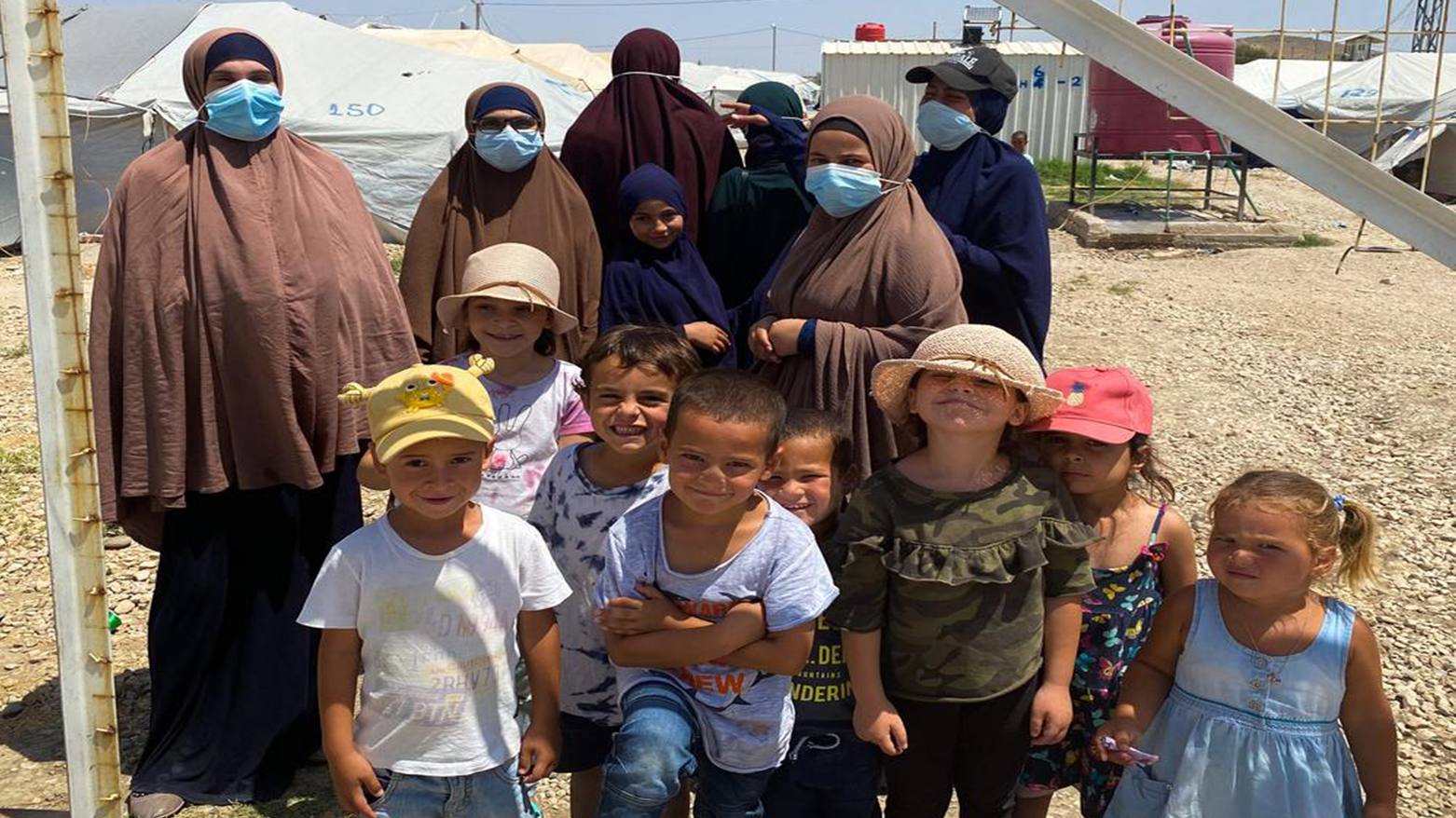
ERBIL (Kurdistan24) — Syrian Kurdish authorities on Monday released 34 Australian citizens who had been held in the Roj camp in northeastern Syria due to their familial ties to jihadists from the Islamic State, a camp director told AFP.
The released individuals, who belonged to 11 different families, were relatives of men and women associated with the extremist group. Their departure from the facility marked the first time in years that no Australian nationals remain in the custody of Kurdish-administered detention and displacement camps.
An AFP photographer at the Roj camp reported seeing women, some fully veiled, and children departing the facility while carrying their luggage, as buses transported them away from the compound.
Camp director Hakmieh Ibrahim said the 11 families were formally handed over to relatives who had traveled from Australia to receive them.
“Today, we are handing over 11 families who hold Australian nationality to their relatives, who have come from Australia to collect them,” she told AFP, describing them as the last Australians remaining in Roj camp.
Ibrahim added that the facility continues to house 2,201 individuals from around 50 different nationalities.
Australian authorities, however, said Monday that Canberra was “not repatriating people from Syria.” In a statement, according to AFP. Officials noted that security agencies have been monitoring developments and remain prepared for any Australians who may seek to return independently.
The issue has sparked domestic debate in Australia, with some political leaders warning that relatives of Islamic State members could pose security risks, while human rights groups have urged the government to assist citizens held in what they describe as dire humanitarian conditions.
In 2023, the humanitarian organization Save the Children Australia filed a lawsuit on behalf of 11 women and 20 children seeking their repatriation. Australia, in recent years, has repatriated only a small number of citizens from the region.
Kurdish forces continue to oversee the Roj camp, where relatives of foreign jihadists are detained. However, the security landscape has shifted in recent months. Syrian Kurdish forces withdrew from the larger Al-Hol camp in January under pressure from central government security forces, which subsequently assumed control.
Since that transition, thousands of women and children formerly housed in Al-Hol — which at its peak held around 24,000 people, including approximately 6,300 foreign nationals — have reportedly left the camp for unknown destinations, raising fresh security and humanitarian concerns.
Many foreign governments have struggled to negotiate the repatriation of their citizens held in detention facilities across Syria and Iraq, citing security, legal, and logistical challenges.
Local Kurdish officials have maintained that each case is processed individually, with security assessments conducted before any decision is made to release or repatriate detainees. Analysts say that managing foreign nationals connected to extremist groups remains one of the most sensitive and complex issues facing post-ISIS stabilization efforts.
Following the territorial defeat of the Islamic State in 2019, the Syrian Democratic Forces (SDF) and Kurdish civilian administrations assumed control of large populations of former ISIS fighters, family members, and sympathizers in northeastern Syria.
Camps such as Roj and Al-Hol became home to tens of thousands of individuals from scores of countries, including Europeans, Asians, and Australians.
Western governments have varied widely in their approaches to repatriation. Some, like Russia and Kazakhstan, have actively brought back citizens from Syrian camps. Others, including many in Europe, have been more hesitant, citing concerns over legal accountability and potential security risks.
Human rights groups have repeatedly sounded alarms about conditions in the camps, particularly for women and children. Factors such as overcrowding, limited access to education and healthcare, and exposure to extremist ideology have drawn international criticism.
Calls for durable solutions, including repatriation and reintegration programs, continue to grow.
Monday’s release of the last Australians held by Kurdish authorities comes as several countries reassess their policies on foreign nationals detained abroad and as international pressure mounts for cooperative solutions to one of the region’s most intractable post-conflict challenges.
This article was updated on Feb. 16, 2026, at 2:16 pm.