German Foreign Minister Criticizes France over Defense Spending and European Security Commitments
Wadephul Warns Paris to Deliver on Sovereignty Pledges Amid Franco-German Tensions
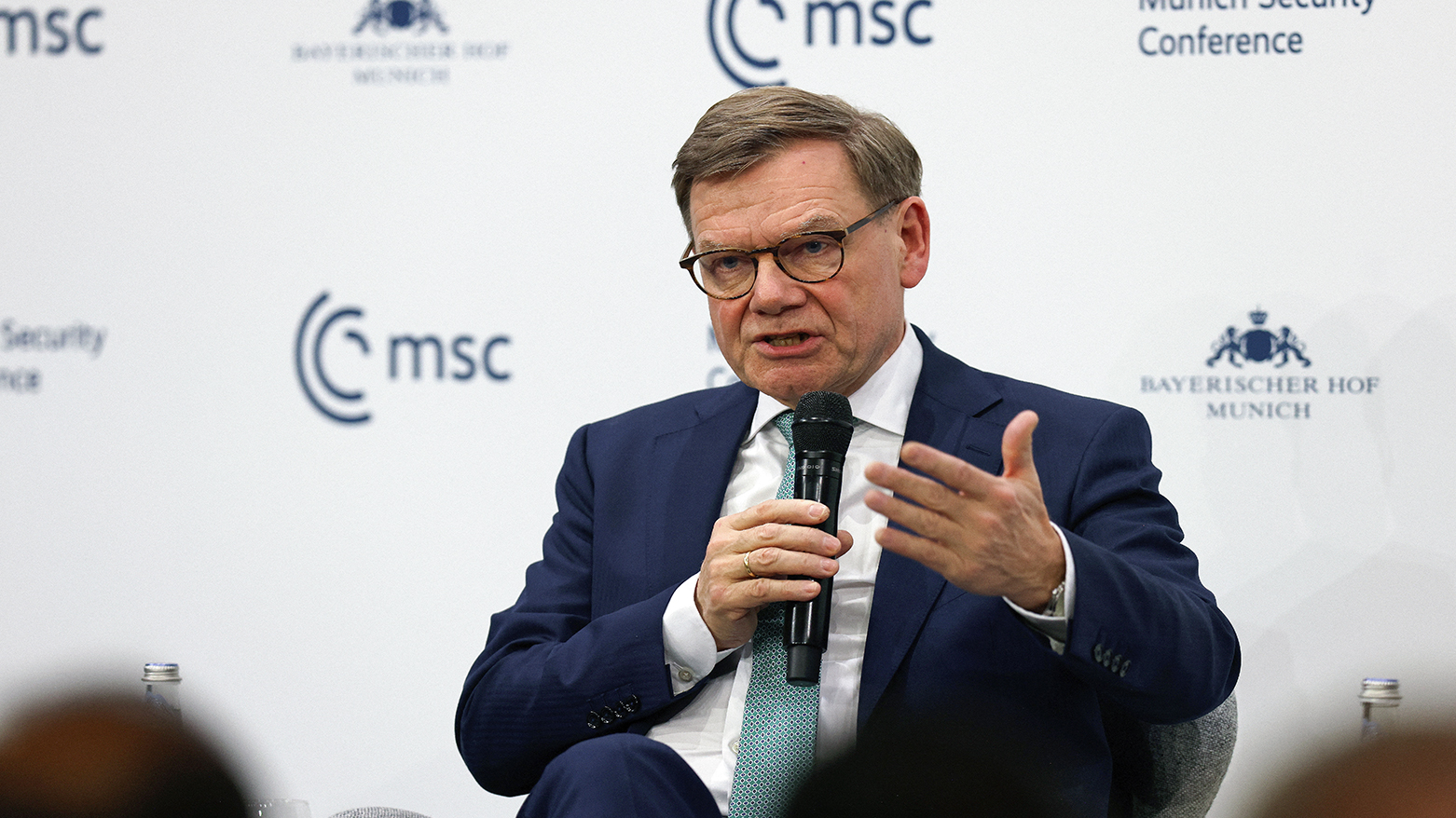
ERBIL (Kurdistan24) — German Foreign Minister Johann Wadephul on Monday sharply criticized France for falling short on defense spending, calling on Paris to transform its repeated calls for European security sovereignty into concrete action.
Speaking to public broadcaster Deutschlandfunk, Wadephul said French President Emmanuel Macron “repeatedly and correctly refers to our pursuit of European sovereignty,” but stressed that “anyone who talks about it needs to act accordingly in their own country.”
European NATO members are under pressure from the United States to increase defense budgets. Although European leaders pledged last June to raise security and defense spending to five percent of GDP by 2035, Wadephul said progress has been uneven, singling out France.
“Unfortunately, efforts in the French Republic have also been insufficient to achieve this so far,” he said, emphasizing that Paris, like Berlin, will need to make difficult choices, including potential welfare cuts, to free up resources for defense.
Germany, by contrast, last year exempted most defense spending from constitutionally enshrined debt limits. Current budgets foresee Berlin investing over 500 billion euros ($593 billion) in defense between 2025 and 2029.
France, with the EU’s third-highest debt burden relative to GDP after Greece and Italy, has less fiscal room to maneuver, Wadephul noted.
Strains in the Franco-German Alliance
Wadephul’s comments come amid growing tensions between Paris and Berlin, historically considered the engine of European cooperation. Disputes have surfaced over proposals for Eurobonds, a next-generation European fighter jet, and trade and climate policies.
Germany has rejected Macron’s repeated calls for Eurobonds, citing concerns that pooled EU debt would create open-ended subsidies for financially weaker member states. Wadephul reaffirmed that national contributions, not collective borrowing, are the agreed path toward reaching the five-percent defense spending goal.
Nerves are also fraying over the joint European fighter jet project, with German industry and unions accusing French aerospace firm Dassault of attempting to dominate the venture.
Recent disagreements include France’s opposition to an EU trade deal with South American countries and its pushback against Berlin and Rome’s efforts to ease the planned EU ban on new petrol and diesel cars by 2035.
A European diplomat told AFP last week that “right now the Franco-German axis isn’t working,” highlighting the growing challenges in coordination between the two leading EU economies.
Wadephul added that he looked forward to Macron’s upcoming speech on strategic issues, expected on February 27, signaling hope that dialogue may help resolve differences while stressing the need for transparency and honesty among European partners regarding security commitments.