Pakistan Launches Airstrikes in Eastern Afghanistan; Kabul Reports Civilian Casualties
Pakistan said it carried out intelligence-based strikes against militant camps along the Afghan border, while Afghan authorities reported civilian casualties and warned of a response.
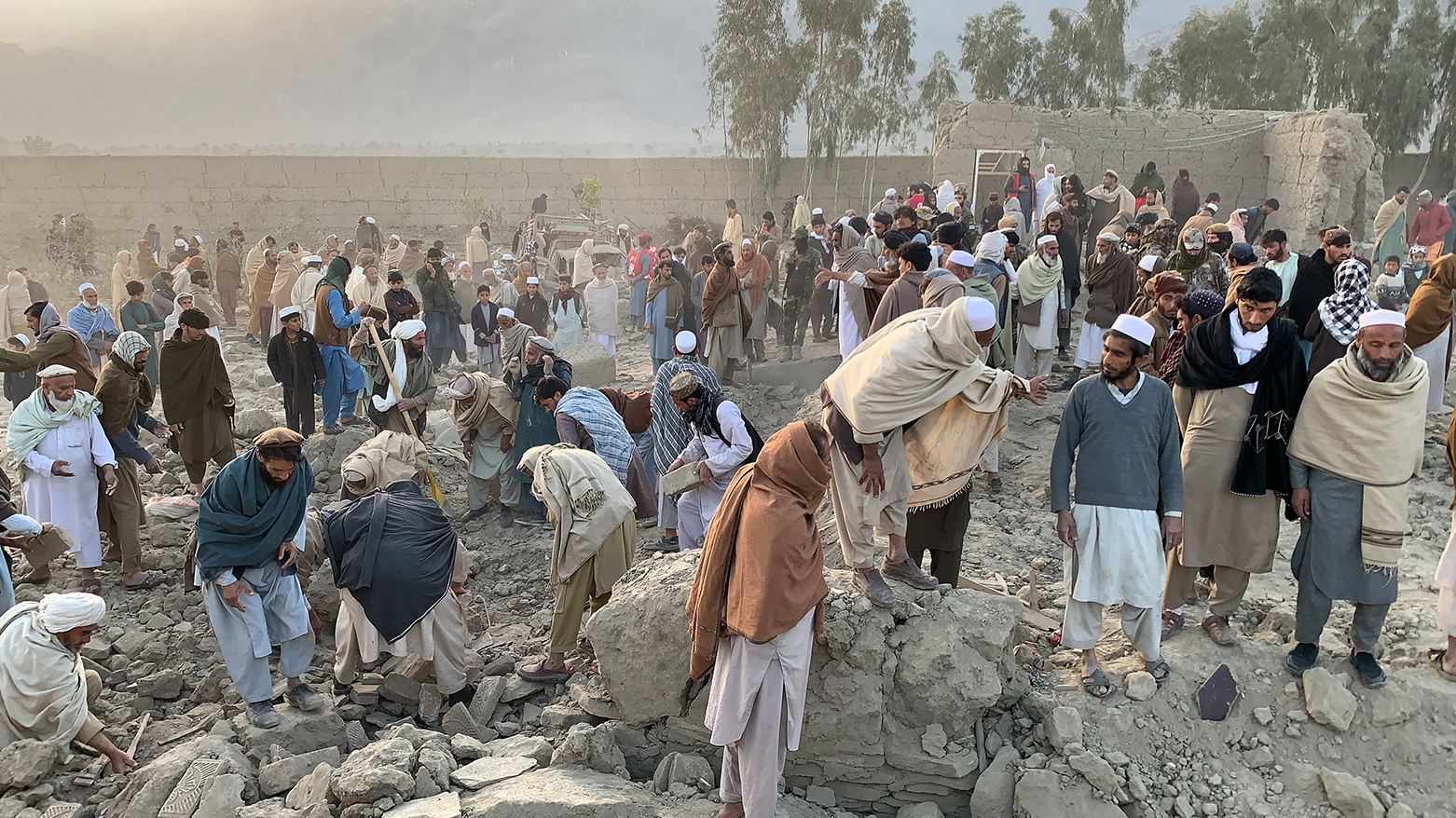
ERBIL (Kurdistan24) - Pakistan launched multiple airstrikes inside eastern Afghanistan overnight, targeting what it described as militant hideouts along the border, while Afghan authorities reported that dozens of civilians, including women and children, were killed or wounded in the attacks, according to official statements and international news agencies on Sunday.
Pakistan’s government said the strikes targeted armed groups it blames for a recent surge in deadly attacks inside the country. In comments posted before dawn Sunday, Information Minister Attaullah Tarar said the military conducted “intelligence-based, selective operations” against seven camps belonging to the Pakistani Taliban, also known as Tehrik-e-Taliban Pakistan, and its affiliates. He said an affiliate of the Islamic State group was also targeted in the border region.
According to a statement by Pakistan’s Ministry of Information and Broadcasting, the strikes were carried out “in the aftermath of recent suicide bombing incidents in Pakistan.” Islamabad said it had hit seven sites along the border region targeting Afghanistan-based militant groups.
The Associated Press reported that Pakistan did not specify precisely which areas were struck or provide additional operational details. However, Afghan officials said the attacks occurred in Nangarhar and Paktika provinces.
Afghanistan’s Ministry of National Defense, under the Islamic Emirates of Afghanistan, issued a statement on Feb. 22 condemning what it described as repeated acts of aggression by the “Pakistani military regime.” The ministry said airstrikes were conducted in various civilian areas, and stated that defending the nation’s sovereignty and the security of its people are both religious obligations and national duties.
The Afghan defense ministry warned that “an appropriate and measured response will be taken at a suitable time,” and described attacks against civilian populations and religious institutions as evidence of intelligence and security failures by Pakistan’s military. It added that such acts would not conceal internal shortcomings.
Afghanistan’s government spokesperson Zabihullah Mujahid said in a post on X that Pakistan carried out strikes inside Afghanistan targeting civilians in Nangarhar and Paktika provinces, killing and wounding dozens of people, including women and children, according to the Associated Press.
The defense ministry in Kabul said “dozens of innocent civilians, including women and children, were martyred and wounded” when strikes hit a madrasa and homes in the affected provinces, according to AFP.
An AFP journalist in Nangarhar’s Bihsud district reported that residents from surrounding mountainous areas joined rescuers in one village, using a digger and shovels to search for bodies under rubble. A local resident, Amin Gul Amin, 37, told AFP that survivors were calling for help after the bombing. Nangarhar police spokesperson Sayed Tayeeb Hammad said the bombardment began around midnight and struck three districts. He told AFP that civilians were killed and that in one house 23 family members had been present, with five wounded taken out.
The overnight strikes were described by AFP as the most extensive since border clashes in October killed more than 70 people on both sides and wounded hundreds.
Pakistan’s latest action followed a series of recent attacks inside its territory. According to AP, days earlier a suicide bomber backed by gunmen rammed an explosives-laden vehicle into the wall of a security post in Bajaur district in northwestern Khyber Pakhtunkhwa province, killing 11 soldiers and a child. Authorities later said the attacker was an Afghan national.
Hours before the border strikes, another suicide bomber targeted a security convoy in Bannu district, killing two soldiers, including a lieutenant colonel, AP reported. Following those incidents, Pakistan’s military had warned it would not “exercise any restraint” and that operations against those responsible would continue “irrespective of their location,” according to AP.
Tarar said Pakistan had “conclusive evidence” that recent attacks, including a suicide bombing targeting a Shiite mosque in Islamabad that killed 31 worshippers earlier this month, were carried out by militants acting on the “behest of their Afghanistan-based leadership and handlers,” AP reported.
AFP reported separately that a suicide blast at a Shiite mosque in Islamabad two weeks ago killed at least 40 people and wounded more than 160 in the deadliest attack in the capital since 2008. The Islamic State group claimed responsibility for that bombing, according to AFP. The group’s regional affiliate, Islamic State-Khorasan, also claimed a suicide bombing at a Kabul restaurant last month.
Pakistan has repeatedly urged Afghanistan’s Taliban authorities to take action against militant groups using Afghan territory to launch attacks inside Pakistan, Tarar said, according to AP. He added that Pakistan had called on the international community to press Afghanistan’s Taliban authorities to uphold commitments under the Doha agreement not to allow their soil to be used against other countries.
Afghan authorities have denied harboring militants.
Relations between Islamabad and Kabul have remained strained since October, when deadly border clashes killed dozens of soldiers, civilians and suspected militants. According to AFP, Pakistani military action killed 70 Afghan civilians between October and December, citing the United Nations mission in Afghanistan.
Several rounds of negotiations followed an initial ceasefire brokered by Qatar and Türkiye, but have failed to produce a lasting agreement, AFP reported. Saudi Arabia intervened this month to mediate the release of three Pakistani soldiers captured by Afghanistan in October, according to AFP.
The deterioration in ties has affected civilians in both countries, with the land border largely closed for months, AFP said.
Pakistan’s government said Sunday that despite repeated urging, the Taliban authorities had failed to act against militant groups operating from Afghan territory. Kabul has denied those allegations.
The airstrikes and the exchange of accusations mark the latest escalation in tensions between the neighboring countries.