Autonomous Administration Official Warns ISIS Cells Reactivating Across Syria Amid Camp Security Concerns
Sheikhmous Ahmed warned ISIS cells are reorganizing across Syria, calling the threat increasingly serious. He said 7,000 ISIS-linked families in camps pose major security risks, criticized countries for not repatriating citizens, and cited limited cooperation from Damascus.
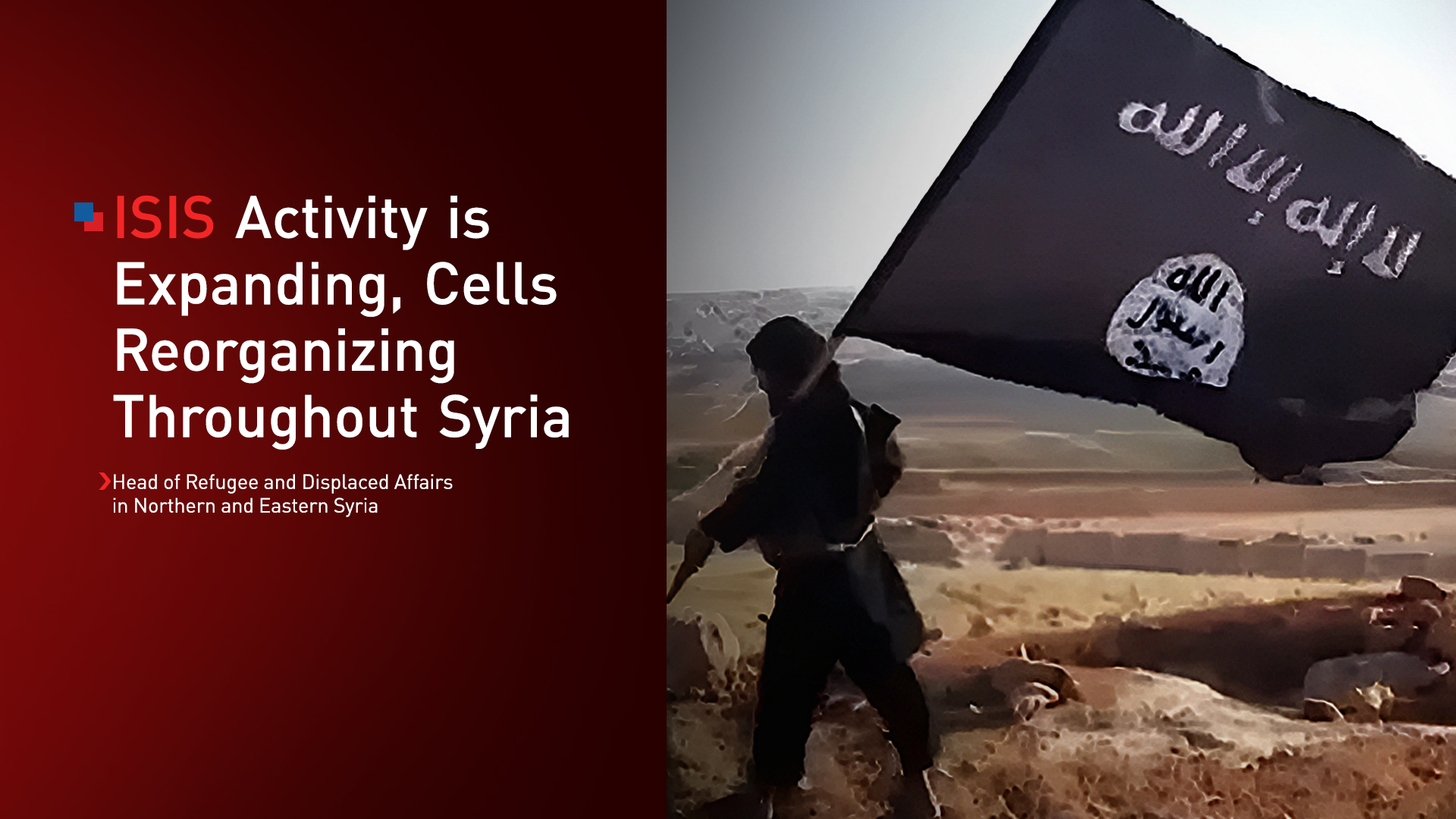
ERBIL (Kurdistan24) - Sheikhmous Ahmed, head of Refugee and Displaced Affairs in Northern and Eastern Syria, warned on Monday that ISIS cells have begun reorganizing and reactivating across Syrian territory, describing the threat as increasingly serious amid ongoing concerns surrounding families linked to the group.
Speaking on February 23, 2026, Ahmed said ISIS activity is expanding throughout Syria, with cells reorganizing across all areas of the country. He linked the growing security risks to the continued presence of families of ISIS fighters in camps in northeastern Syria.
Ahmed stated that approximately 7,000 families of ISIS fighters are residing in Al-Hol camp, describing their presence as a heavy burden and a major security risk for the region. He said the continued existence of such camps complicates efforts to contain and eradicate the ISIS threat.
“The nations of the world are still not ready to repatriate their ISIS-affiliated families, which has caused the issue to remain unresolved,” Ahmed said, criticizing what he described as a lack of international willingness to take back citizens linked to ISIS.
He also addressed the position of the Syrian government, stating that Damascus is not cooperating in facilitating the return of Syrian citizens affiliated with ISIS to their areas of origin. According to Ahmed, this lack of facilitation has made the process of evacuating camps and addressing security risks more difficult.
Ahmed’s remarks come as Syrian authorities have announced the closure of Al-Hol camp after emptying the facility of its residents. A camp official appointed by the government to manage Al-Hol’s affairs said that “all Syrian and non-Syrian families were relocated.”
Al-Hol, located in the desert region of Hasakeh province, had for years been Syria’s largest camp housing relatives of suspected ISIS fighters. The camp previously accommodated approximately 24,000 people, mostly Syrians, as well as Iraqis and more than 6,000 foreign nationals from around 40 nationalities.
Last month, the Syrian government took control of the camp from Kurdish administrators as Kurdish forces ceded territory and Damascus extended its authority across parts of northeastern Syria. Following the takeover, authorities began relocating residents.
According to the camp official, security forces conducted searches of tents to ensure no families remained. Earlier in the week, authorities transferred remaining residents to a camp in Akhtarin in northern Aleppo province. Some families were reportedly taken to other destinations, though no further details were provided.
A source from a humanitarian organization previously active inside Al-Hol said teams had been evacuated, and equipment and prefabricated structures dismantled and removed from the site.
The official managing the camp stated that residents consisted of women and children who require support for reintegration. The closure of Al-Hol marked the end of one of Syria’s most prominent facilities associated with families of suspected ISIS fighters.
Ahmed’s warning about ISIS reactivation follows these developments. He emphasized that despite the closure of camps and relocation of residents, the broader security challenge remains. He said ISIS threats are becoming more serious as cells reorganize across Syria.
The issue of detainees linked to ISIS has also extended beyond camp residents. Last week, the U.S. military announced it had completed the transfer of thousands of ISIS suspects, including Syrians and Western nationals, to Iraq after they had been held for years in Kurdish-run prisons in northeastern Syria.
Human Rights Watch said that approximately 5,700 transferred detainees are at risk of enforced disappearance, unfair trials, torture, ill-treatment, and violations of the right to life.
Kurdish authorities had repeatedly called on countries to repatriate their citizens from both camps and detention facilities. However, most states repatriated only limited numbers, citing security concerns and domestic political considerations.
Ahmed reiterated that the continued reluctance of countries to repatriate families affiliated with ISIS has left the issue unresolved. He said this situation contributes to instability and complicates efforts to dismantle remaining ISIS structures.
In addition to addressing ISIS-related concerns, Ahmed stated that 400 displaced families from Afrin have returned to their areas so far. He did not provide further details on the timeline or conditions of their return.
The developments reflect a shifting landscape in northeastern Syria, where control over camps and detention facilities has changed in recent months. The transfer of authority over Al-Hol from Kurdish administrators to the Syrian government, followed by the camp’s closure, represents a significant administrative transition.
Despite these changes, Ahmed warned that ISIS cells are reorganizing and becoming active throughout Syria. He described the threat as serious and linked it to unresolved issues surrounding families and detainees affiliated with the organization.