U.S. Air Force Expands B-21 Raider Production Capacity Under $4.5 Billion Agreement
Pentagon Accelerates Delivery of Next-Generation Stealth Bomber to Strengthen Long-Range Deterrence
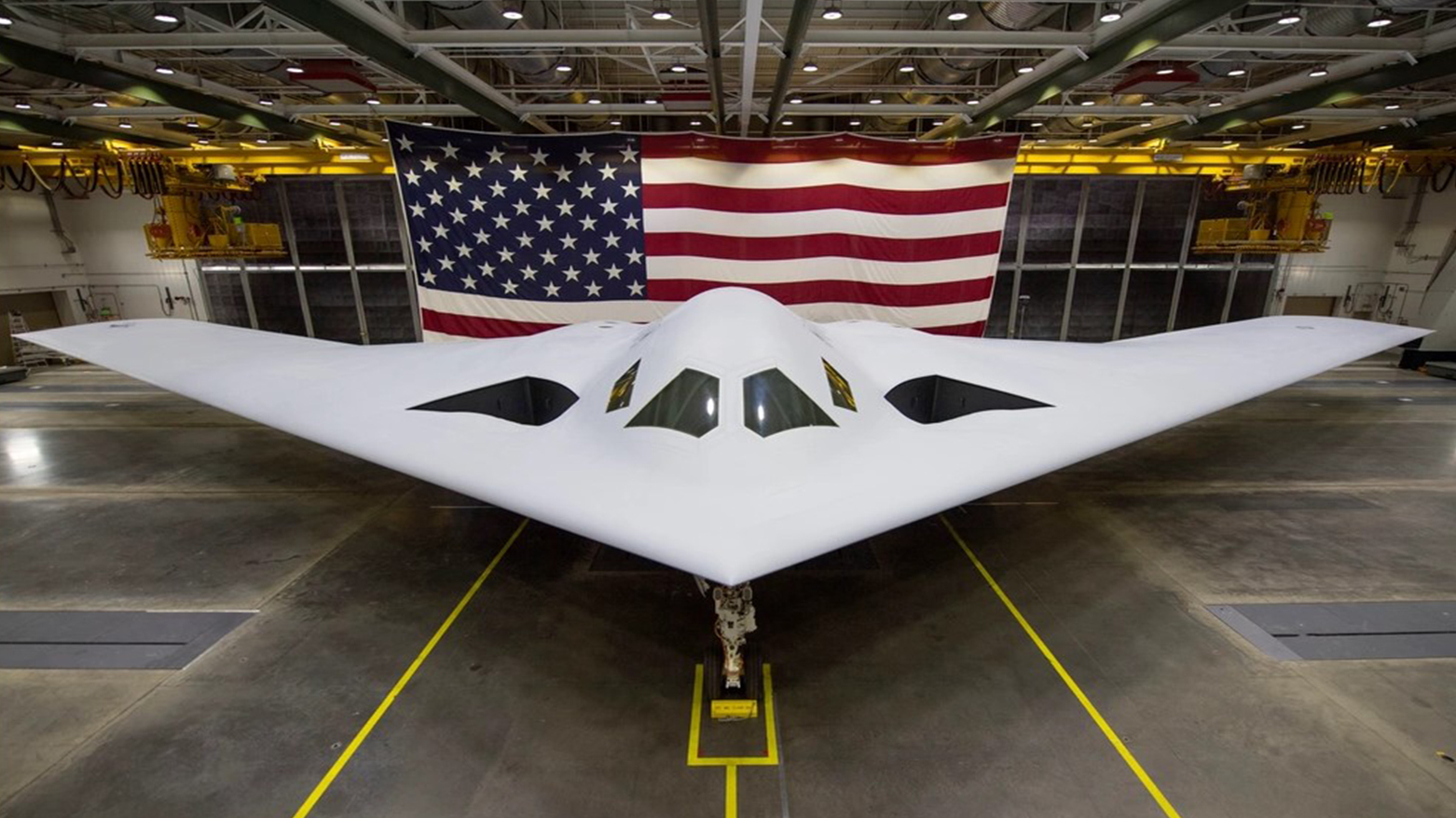
ERBIL (Kurdistan24) — The U.S. Department of the Air Force (DAF) has reached a $4.5 billion agreement with Northrop Grumman to expand production capacity for the B-21 Raider, accelerating delivery of the Air Force’s next-generation stealth bomber fleet amid mounting global security challenges.
Announced Monday by the Secretary of the Air Force Public Affairs, the agreement applies funding already authorized and appropriated under fiscal year 2025 reconciliation legislation—commonly referred to as the “One Big Beautiful Bill.”
The deal increases annual production capacity for the B-21 by 25 percent, compressing delivery timelines while maintaining cost and performance controls.
“This is what disciplined acquisition delivers,” said Gen. Dale R. White, director of Critical Major Weapon Systems and direct reporting portfolio manager to the Deputy Secretary of War.
He said the decision reflects confidence in the program’s performance and in the stability of the U.S. defense industrial base. “By increasing production capacity now, we are responsibly accelerating delivery of a critical, combat-effective capability to the warfighter,” he added.
The B-21 program delivered aircraft on schedule in 2025 and remains on track to have bombers operational at Ellsworth Air Force Base in 2027. The latest agreement builds on what officials described as program stability and demonstrated execution, translating that momentum into faster operational fielding.
Secretary of the Air Force Troy Meink described the B-21 as foundational to U.S. long-range strike capability and credible deterrence. “Accelerating production capacity now ensures we deliver operational capability to combatant commanders faster — strengthening our ability to outpace, deter, and, if necessary, defeat emerging threats,” he said.
The B-21 Raider is central to the modernization of the U.S. bomber force, which currently includes the aging B-52 Stratofortress and the B-2 Spirit. Designed as a long-range, penetrating strike aircraft, the B-21 is expected to operate in highly contested environments against advanced air defense systems developed by near-peer competitors.
The aircraft integrates advanced stealth characteristics, resilient networking, and a modern, data-driven command-and-control architecture intended to enable seamless coordination across the Joint Force.
U.S. defense planners view the platform as a core element of the country’s nuclear triad modernization, alongside upgrades to intercontinental ballistic missiles and ballistic missile submarines.
Currently in flight testing, the B-21 is engineered to hold any target at risk, including hardened and deeply buried facilities. Its open-architecture design is intended to allow rapid software updates and integration of future technologies, ensuring adaptability over decades of service.
The expansion of production capacity also signals confidence in the U.S. aerospace industrial base at a time when supply chain resilience has become a strategic priority. By committing additional resources now, the Pentagon aims to avoid bottlenecks and reduce long-term program risk while meeting evolving operational demands.
The announcement comes amid heightened global tensions, including strategic competition in the Indo-Pacific and continued instability in Europe and the Middle East. U.S. officials have repeatedly stressed that credible long-range strike capability is essential to deterring aggression and assuring allies.
With the production increase, the Air Force seeks to align acquisition speed with what senior officials describe as a rapidly deteriorating security environment—positioning the B-21 Raider as a cornerstone of U.S. airpower for decades to come.