Iraq Cabinet Approves Compensation for Victims of Drone Attacks in Kurdistan Region
The decision was issued by the Iraqi Council of Ministers as part of the government’s response to the humanitarian impact of the attacks, which have caused civilian casualties and heightened security concerns in the Kurdistan Region.
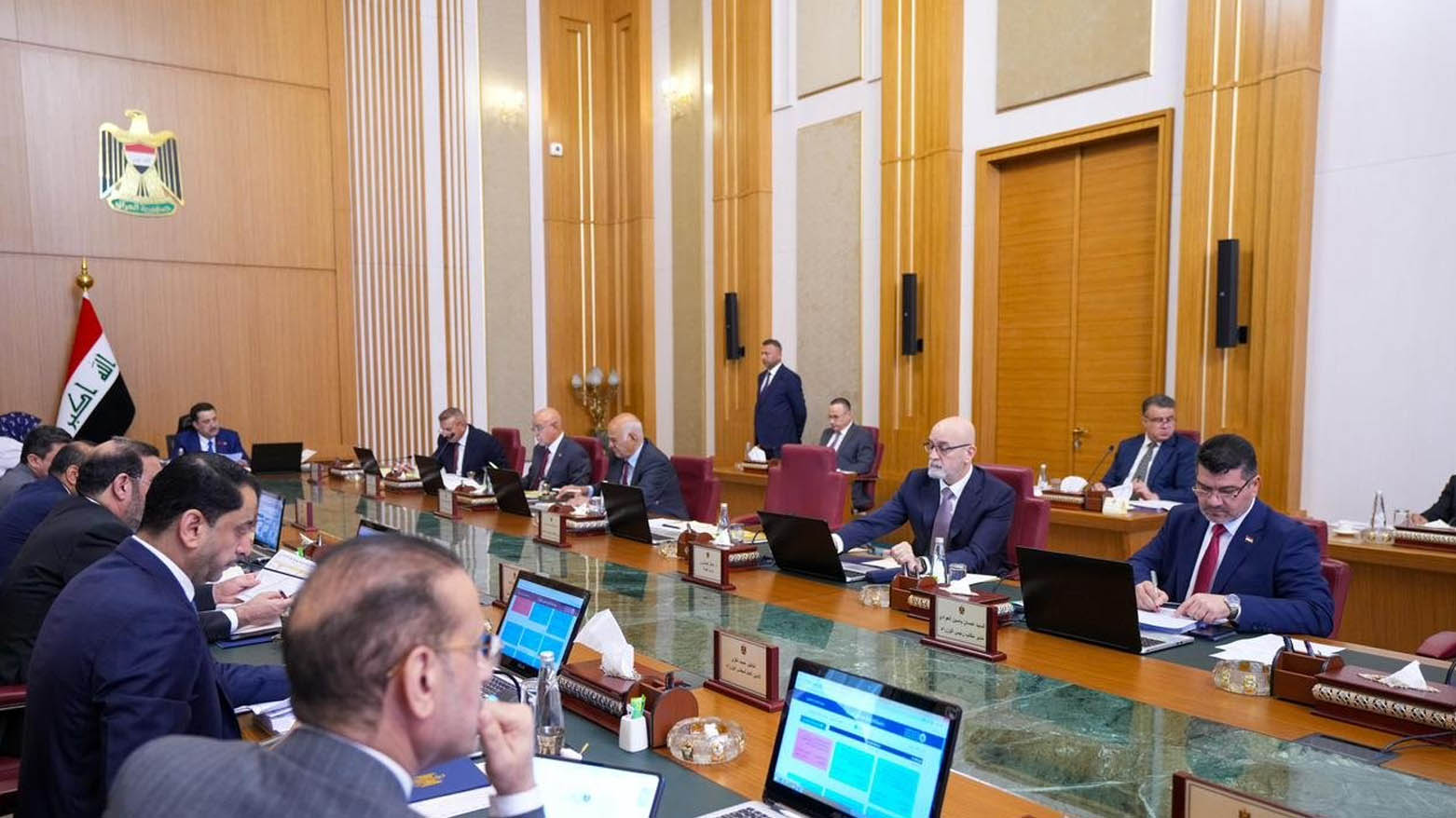
ERBIL (Kurdistan24) – The Iraqi Council of Ministers has approved financial compensation for the families of civilians affected in recent drone attacks that targeted areas of the Kurdistan Region, in a decision taken during its 17th regular session held on Tuesday under the chairmanship of Prime Minister Mohammed Shia al-Sudani.
The decision was issued by the Iraqi Council of Ministers as part of the government’s response to the humanitarian impact of the attacks, which have caused civilian casualties and heightened security concerns in the Kurdistan Region. Officials confirmed that compensation will be allocated to the families of those killed, though further details regarding the amount and implementation mechanism were not immediately disclosed.
The Council emphasized that the measure aims to support affected families and acknowledge the losses caused by the recent escalation of drone strikes in the region.
In the same session, the Cabinet also discussed broader economic and energy-related issues, particularly challenges facing Iraq’s oil export operations due to regional instability and logistical difficulties affecting oil transportation.
As part of its decisions, the Council reaffirmed and expanded the authority of the State Organization for Marketing of Oil (SOMO) to adopt new oil marketing mechanisms and directly negotiate with international companies interested in purchasing Iraqi crude. The move is intended to provide greater flexibility in marketing strategies and to help boost export levels amid fluctuating market conditions and operational constraints.
The government stated that the combination of security-related compensation measures and economic decisions reflects its dual focus on addressing immediate humanitarian needs while also strengthening key national revenue streams.