'No Wonder Germany Is Doing So Poorly': Trump Lashes Out at Merz Over Iran Nuclear
The US president's sharp rebuke of the German chancellor comes hours after he revealed Iran privately admitted to a 'state of collapse'
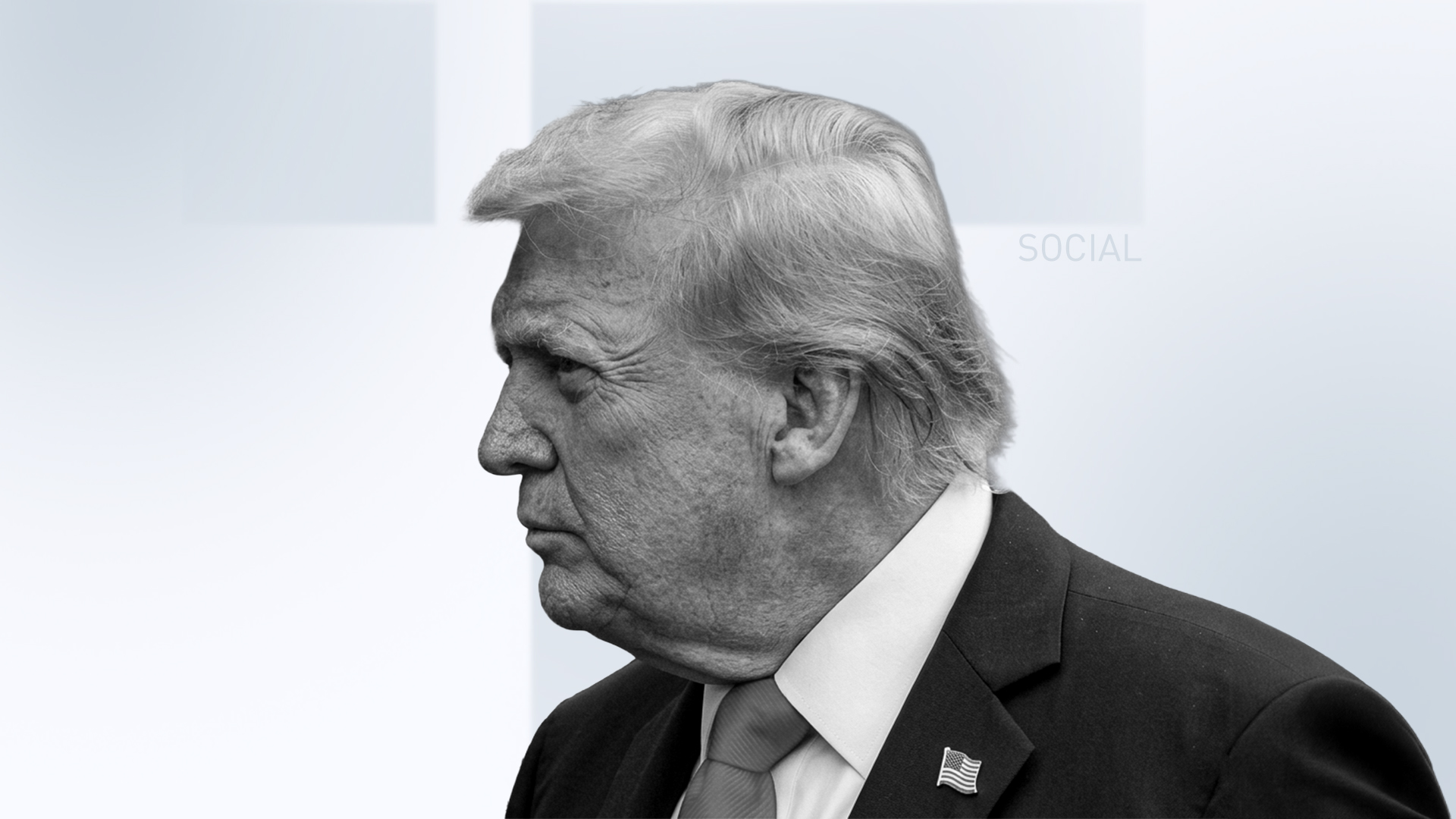
ERBIL (Kurdistan24) - Donald Trump on Tuesday turned his fire on Germany, publicly rebuking Chancellor Friedrich Merz over what the US president described as an unacceptable position on Iran's nuclear ambitions — and using the attack to frame his own Iran strategy as a historic correction long overdue.
In a post on Truth Social on Tuesday, Trump wrote: "The Chancellor of Germany, Friedrich Merz, thinks it's OK for Iran to have a Nuclear Weapon. He doesn't know what he's talking about! If Iran had a Nuclear Weapon, the whole World would be held hostage. I am doing something with Iran, right now, that other Nations, or Presidents, should have done long ago. No wonder Germany is doing so poorly, both economically, and otherwise!"
The post marked a significant escalation in tone — not toward Tehran, but toward one of Washington's closest European allies — and arrived on a day already defined by Trump's aggressive public posture on Iran.
Tuesday's attack on Merz was the second major Iran-related Truth Social post from Trump within hours.
Earlier in the day, the president had revealed that Iran privately informed Washington it had reached a "state of collapse" and was urgently requesting the reopening of the Strait of Hormuz — a waterway Tehran itself has effectively blockaded since the early stages of the conflict, disrupting global energy flows and placing the strait at the center of every diplomatic effort since the April 8 ceasefire.
That post set the tone. By the time Trump turned to Germany, he was operating from a position of declared leverage — a president who had just announced that his adversary had privately admitted defeat, now rounding on an ally he accused of failing to grasp what was at stake.
Trump's characterization of Merz's position — that the German chancellor considers it acceptable for Iran to acquire a nuclear weapon — was delivered without elaboration or citation.
The attack nonetheless carried a clear message: that Washington views any tolerance for Iranian nuclear ambitions, however framed, as a fundamental failure of judgment, and that Trump is prepared to say so publicly regardless of the diplomatic relationship involved.
The line that a nuclear-armed Iran would hold "the whole World hostage" echoes warnings Trump has issued repeatedly in recent weeks, including his earlier statement that a nuclear Iran could destroy Israel within minutes.
It is a formulation designed to make any softer position appear not merely mistaken but reckless — and to reinforce the argument that his administration's confrontational approach is not optional but necessary.
His closing shot — linking Merz's Iran position to Germany's broader economic difficulties — was characteristic Trump: a single sentence that folded a foreign policy critique into a verdict on a country's overall competence.
The remark also arrives at a moment when the transatlantic relationship is under strain on multiple fronts, and when European capitals have been navigating the tension between their commitments to diplomacy with Iran and the realities of Washington's harder line.
Tuesday's post suggested that gap is widening, and that Trump has little patience for managing it quietly.