Syria's Camp Closures Leave Thousands Stranded: HRW
Syrian authorities confirmed on February 22 that al-Hol camp had been fully evacuated and closed, following the January transfer of control and subsequent departures, according to the report.
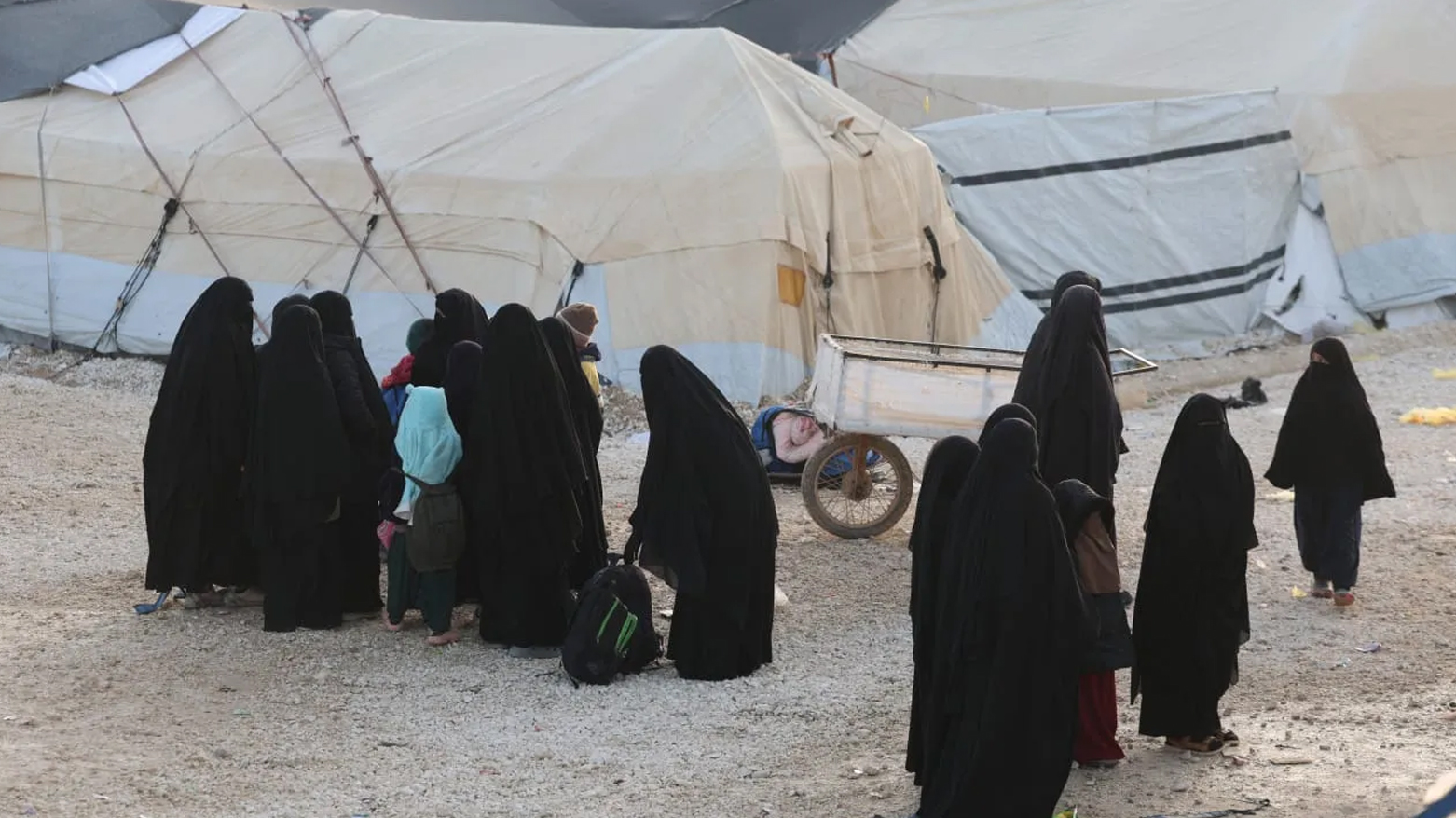
ERBIL (Kurdistan24) - Syrian authorities have completed the evacuation and closure of al-Hol camp in northeast Syria following the transfer of control from Kurdish-led forces, leaving the fate of approximately 8,500 people from two camps uncertain, according to a report by Human Rights Watch.
The government announced on Jan. 30, 2026, that al-Hol and Roj camps would be imminently closed, the rights organization said. Control of al-Hol was transferred to Syrian authorities on Jan. 20, after which most residents reportedly departed in what the organization described as a largely unplanned and chaotic manner. On Feb. 22, authorities said the camp had been fully evacuated and shut down.
According to Human Rights Watch, the two camps have held families of men suspected of affiliation with the Islamic State (ISIS), including thousands of women and children, many of whom have not been charged with crimes. The organization said that until mid-January the camps housed approximately 28,000 people, including about 12,500 foreign nationals from more than 60 countries. Of those, around 4,000 were Iraqis.
The report stated that Roj camp, which houses approximately 2,300 foreign women and children, remains under the control of the Kurdish-led Syrian Democratic Forces (SDF) and is also expected to close.
Human Rights Watch said it interviewed four foreign women in the camps and five employees of organizations working there between November 2025 and February 2026.
The organization reported that since Syrian authorities assumed control of al-Hol, the camp population has declined significantly as residents left following the handover. It said the departures exposed women and children to risks including trafficking, exploitation, and recruitment by armed groups.
In Roj camp, three women interviewed by the organization alleged that Kurdish internal security forces, known as the Asayish, conducted near-nightly raids involving beatings, threats, destruction of property, theft, and the separation of boys from their mothers.
One woman said that on Feb. 9, armed men kidnapped her neighbor’s two sons and demanded $2,000 for their return. “When they returned the boys, the oldest one was beaten and bloody,” she was quoted as saying.
A woman identified as a Trinidadian national described a raid on January 31, stating that security forces entered the camp late at night, fired shots into the air, and ordered women out of their tents. She said women were gathered outdoors in freezing temperatures while guards conducted searches. She alleged that boys aged 11 and over were separated from their mothers and beaten.
Human Rights Watch said it was unable to independently verify the accounts but that aid workers reported hearing similar concerns. The organization said it had sought comment from the SDF but had not received a response as of publication.
The camps have operated for years amid international disputes over repatriation. Human Rights Watch said that many governments had previously cited difficulties negotiating with a non-state actor in charge of the camps as an obstacle to repatriating their nationals. “Seven years is a long time to kick the can down the road. These countries need to bring their citizens home,” Adam Coogle, deputy Middle East director at Human Rights Watch, said in the report.
The report noted that some countries have revoked the citizenship of nationals held in the camps. The United Kingdom and Denmark have withdrawn citizenship from certain individuals, leaving some stateless, according to Human Rights Watch.
Australia recently confirmed that it would not support the repatriation of 34 Australian women and children with alleged links to ISIS and would provide “absolutely no support,” the organization said. Australian authorities have also issued a temporary exclusion order against at least one citizen in the camps.
A woman identified as Bosnian said that her country carried out one repatriation in 2019 involving several women and children but left others without explanation. “We feel discriminated against because we are the same citizens of Bosnia and our basic rights are being violated,” she said, according to the report.
The organization said that some women in the camps do not wish to return to their countries of origin, including those who may face risks of mistreatment if returned. For such cases, Human Rights Watch said that resettlement plans are needed.
Other detainees fear separation from their children if prosecuted upon return. Beatrice Eriksson, cofounder of Repatriate the Children, was quoted as saying that women prosecuted in their home countries are likely to be separated from their children. “These women have been 24/7 with their children since they were born, and in many cases, they are the only caregiver,” she said.
Iraq has increased repatriation efforts since December 2024, following the fall of the Assad government in Syria, according to the report. At its peak in 2019, al-Hol housed approximately 31,000 Iraqis.
On February 9, Iraq’s National Security Adviser, Qasim al-Araji, said Iraq had repatriated all but 300 to 350 families from al-Hol. Iraqi nationals are transferred to a camp in Ninewa Governorate for security screening and rehabilitation.
Separately, on January 21, United States armed forces began transferring 5,700 male detainees, including Syrians, Iraqis, and third-country nationals, from northeast Syria to Iraq for trial, according to the report. Iraq’s Supreme Judicial Council said the detainees include 157 boys under the age of 18.
A few hundred additional boys and young men are being held in what the report described as rehabilitation centers, most after being separated from their mothers in the camps.
Human Rights Watch called on governments to ensure the repatriation of their nationals and to cooperate to safeguard the wellbeing of camp residents pending closures. It said individuals unlawfully detained should be released or detained in accordance with the law, with full due process rights for those charged with crimes.