CENTCOM Details U.S.-Led Strikes on Iran in Operation Epic Fury, First Public Account of Early Saturday Offensive
U.S. and Partner Forces Target IRGC, Missile, Drone, and Air Defense Sites; Hundreds of Iranian Attacks Intercepted, No U.S. Casualties Reported
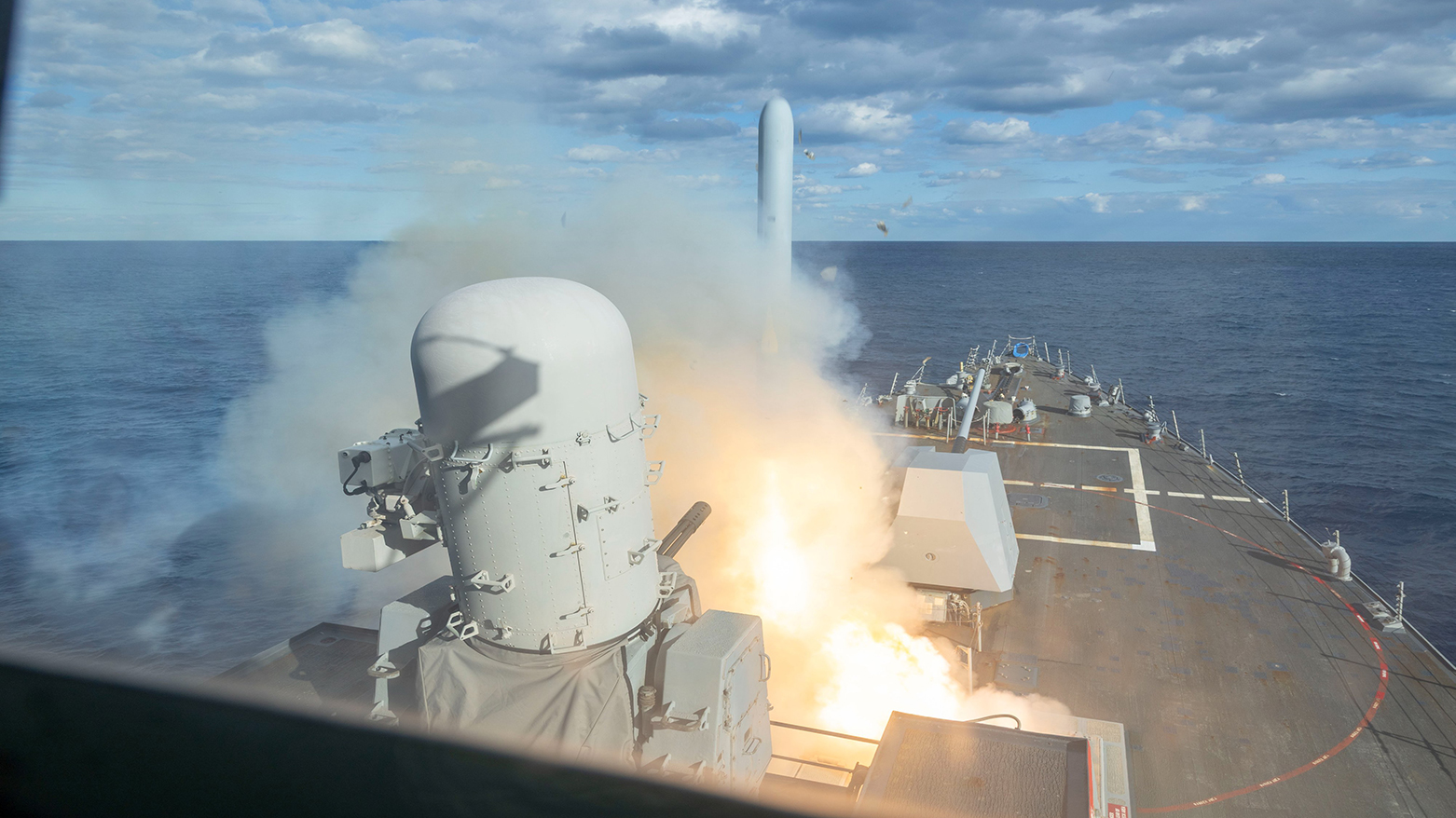
ERBIL (Kurdistan24) — For the first time, the U.S. Central Command (CENTCOM) has publicly disclosed details of the strikes launched against Iran in the early hours of Saturday, revealing the scope and tactics of what President Donald Trump ordered as a pre‑emptive campaign against Tehran’s military infrastructure.
CENTCOM said the offensive, dubbed Operation Epic Fury, began at 1:15 a.m. ET, with U.S. and partner forces targeting Islamic Revolutionary Guard Corps (IRGC) command and control facilities, Iranian air defense capabilities, missile and drone launch sites, and military airfields.
The operation, the largest regional concentration of American military firepower in a generation, aimed to dismantle elements of the Iranian regime posing an imminent threat.
“The President ordered bold action, and our brave Soldiers, Sailors, Airmen, Marines, Guardians, and Coast Guardsmen are answering the call,” CENTCOM Commander Adm. Brad Cooper said in a statement.
He added that forces successfully defended against hundreds of Iranian missile and drone attacks following the initial wave, with no U.S. casualties and minimal damage to installations.
According to CENTCOM, the opening hours of the campaign involved precision strikes from air, land, and sea, along with the combat debut of low-cost, one-way attack drones employed by Task Force Scorpion Strike.
— U.S. Central Command (@CENTCOM) February 28, 2026
The announcement marks the first time U.S. military authorities have offered a detailed account of the early‑Saturday operations that have already sparked Iranian retaliation across the Gulf region.
The strikes come amid escalating tensions following years of deteriorating U.S.-Iran relations, failed nuclear negotiations, and a previous 12-day conflict in June 2025.
Tehran responded with missile and drone attacks targeting U.S. and Israeli assets, including military bases across Bahrain, Qatar, the UAE, and Kuwait, prompting widespread airspace closures and civil defense alerts.