Trump Vows Swift Resolution as U.S. and Israel Strike Iran; Larijani Warns of Lasting Lesson to Aggressors
Amid U.S.–Israel airstrikes on Iran and Iranian missiles raining on Gulf Arab capitals, regional leaders call for restraint as tensions soar across the Middle East
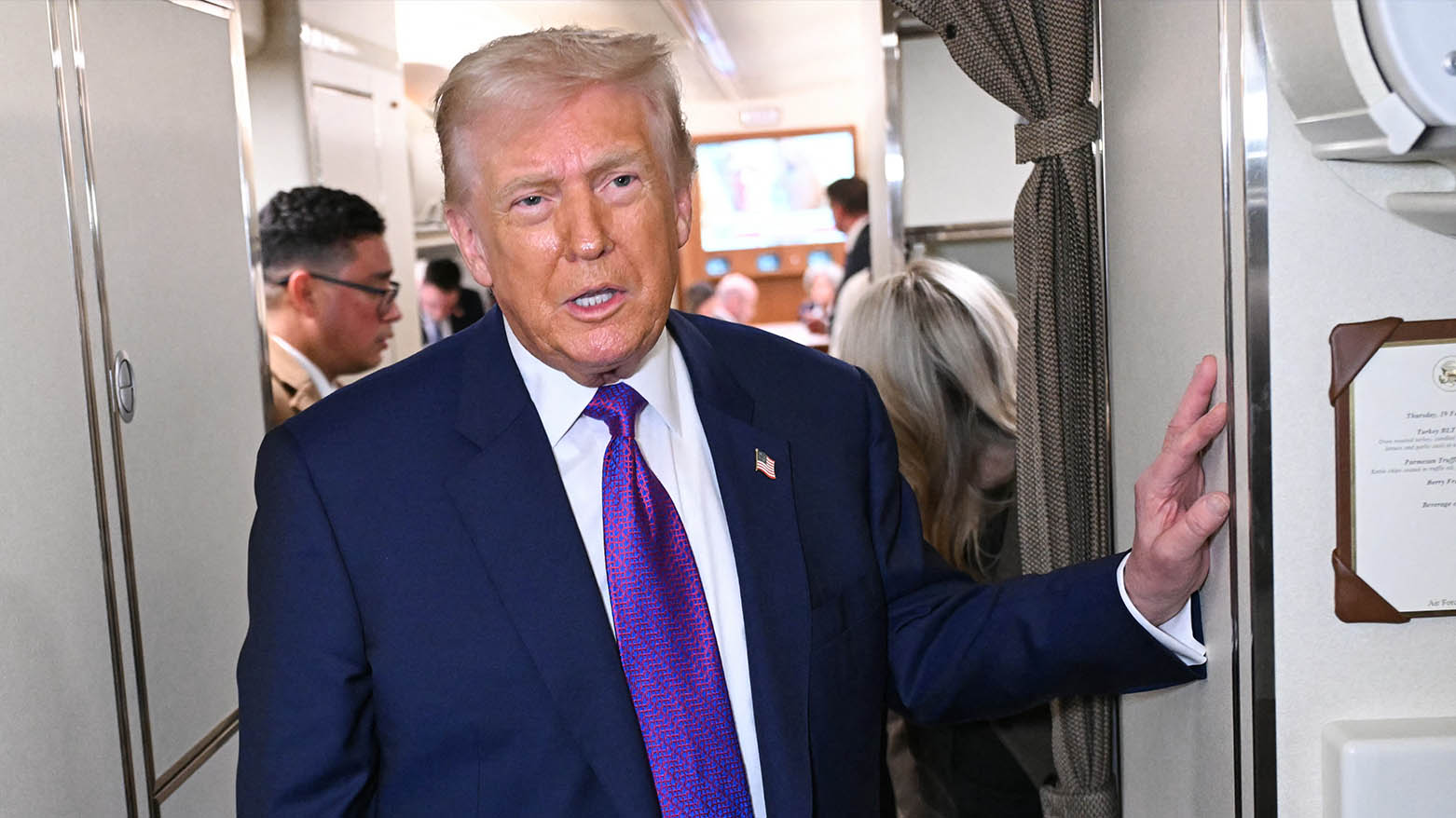
ERBIL (Kurdistan24) — U.S. President Donald Trump said Saturday that he has multiple options to end the ongoing conflict with Iran, including a rapid conclusion within days if necessary, as U.S. and Israeli forces launched coordinated strikes on Iranian military targets. Iran warned of a lasting lesson to "aggressors", while regional leaders emphasized diplomacy to prevent further escalation.
President Trump said that he has multiple options to end the ongoing conflict with Iran, including a rapid conclusion within days if necessary. Speaking to Israel’s Channel 12, Trump framed the strikes as a response to Iran’s repeated provocations and the failure of prior diplomatic efforts, noting that Tehran had previously come close to an agreement but ultimately withdrew.
“The scenario is in our hands. One path is total seizure of targets; another is ending the war in a matter of days,” Trump said, signaling both restraint and the willingness to escalate if required. In parallel, Trump and his national security team closely monitored operations against Iran.
Secretary of State Caroline Leavitt confirmed that Trump held discussions with leaders from Saudi Arabia, Qatar, the UAE, NATO, and Israel, keeping Congress briefed on all developments. Leavitt also noted that Trump spoke with Israeli Prime Minister Benjamin Netanyahu by phone while overseeing the unfolding military campaign.
Israeli Prime Minister Netanyahu on Saturday described the campaign as a decisive effort to neutralize "Iranian aggression." He confirmed that Israeli forces targeted key command centers and multiple commanders within Iran’s Revolutionary Guard and pledged continued strikes over the coming days, with “hundreds of additional targets” on the operational plan.
In Baghdad, Iraqi Prime Minister Mohammed Shia’ Sudani conducted multiple phone calls with Abdel Fattah el-Sisi of Egypt, the Egyptian President, and Sheikh Mohammed bin Zayed Al Nahyan of the UAE, stressing the urgent need to prevent further escalation and coordinate regional security.
Sudani also spoke with French President Emmanuel Macron, highlighting that military action is not a solution and advocating diplomacy to stabilize the Middle East.
Similarly, Kurdistan Region President Nechirvan Barzani and Syrian Foreign Minister Asaad Sheibani held a phone call to review the latest security developments and assess ways to preserve regional stability amid the escalating U.S.–Israel–Iran confrontation.
Iran quickly retaliated, launching multiple missiles and drone strikes against Israeli territory and U.S. military bases in the Gulf. European Commission President Ursula von der Leyen condemned the attacks on UAE territory as unlawful aggression and called for coordinated international action to prevent further escalation.
Secretary of the Supreme National Security Council of Iran, Ali Larijani, denounced the strikes on social media, asserting that Israel and the U.S. “will bear responsibility for the bloodshed” and warning that Iranian forces remain ready to defend the nation.
“The brave soldiers and people of greater Iran are sending an unforgettable lesson to international aggressors,” Larijani said.
Leaders in Iraq, the UAE, Egypt, and France have underscored that diplomacy and dialogue remain the only sustainable path to avert a broader regional catastrophe, warning that continued escalation could imperil civilian lives and critical infrastructure across the Middle East.
Meanwhile, U.S. and Israeli forces continue coordinated strikes on Iranian military installations, contributing to a tense standoff with potential implications for regional security and global energy markets.