Three U.S. F-15 Jets Downed Over Kuwait in Friendly Fire Incident Amid Escalating Iran Conflict
Kuwaiti air defenses mistakenly shot down American fighter aircraft during active combat as Iranian strikes expand across the Gulf
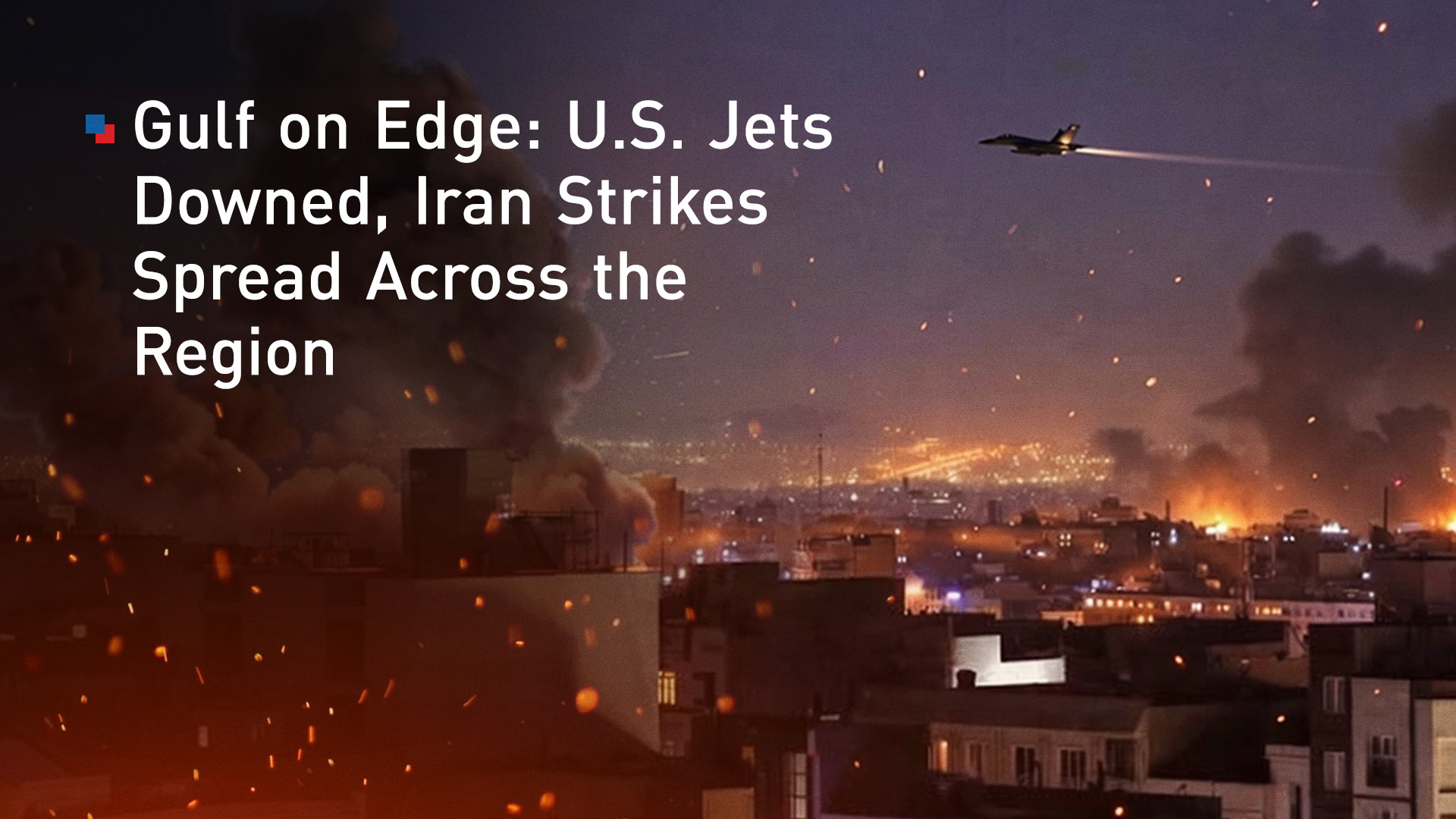
ERBIL (Kurdistan24) – The United States Central Command (CENTCOM) confirmed on Monday that three U.S. F-15E Strike Eagles were mistakenly shot down by Kuwaiti air defenses during active combat operations late Sunday, as Iran intensified missile and drone attacks across the Gulf region.
According to CENTCOM, the incident occurred at approximately 11:03 p.m. ET on March 1 while the aircraft were flying in support of Operation Epic Fury. During what officials described as a complex and high-threat combat environment — involving Iranian aircraft, ballistic missiles, and unmanned aerial vehicles — Kuwaiti air defense systems mistakenly engaged the American jets.
All six aircrew members safely ejected, were recovered, and are reported to be in stable condition. Kuwait acknowledged the incident, and U.S. officials expressed appreciation for the coordination and recovery efforts of Kuwaiti defense forces. An investigation is underway.
Third Day of Regional Escalation
The friendly fire episode comes as Iran presses into a third consecutive day of retaliation following the killing of its supreme leader in joint U.S.-Israeli strikes on Saturday, marking one of the most dramatic escalations in the Gulf in decades.
In Kuwait, black smoke was seen rising near the U.S. Embassy on Monday, according to eyewitnesses. While the embassy did not confirm a direct strike, it issued a security alert warning of a “continuing threat of missile and UAV attacks” and instructed personnel to shelter in place.
Iran’s military said it targeted Ali Al Salem Air Base, which hosts U.S. troops, and claimed to have launched 15 cruise missiles toward regional targets. Kuwaiti authorities reported that multiple drones were intercepted at dawn, while shrapnel from interceptions caused a limited blaze at a power station in northern Kuwait. One fatality has been confirmed in the country amid the ongoing attacks.
Strikes Across the Gulf - Energy Infrastructure in the Crosshairs
The conflict has increasingly focused on Gulf energy infrastructure.
In Saudi Arabia, two drones targeted the massive Ras Tanura refinery along the kingdom’s eastern Gulf coast. The facility — one of the largest in the Middle East with a capacity of 550,000 barrels per day — temporarily shut down some operational units as a precaution, though officials said domestic fuel supplies were unaffected.
QatarEnergy announced it had halted liquefied natural gas production at facilities in Ras Laffan and Mesaieed following military strikes, raising concerns about potential disruptions to global energy markets.
In Oman, authorities confirmed that an oil tanker flying the flag of the Marshall Islands was attacked by an unmanned boat approximately 52 nautical miles off the coast of Muscat, resulting in an explosion that killed one crew member.
Blasts were also reported over Abu Dhabi, Dubai, Doha, and Manama as Iranian missiles and drones targeted U.S. allies throughout the region. In the United Arab Emirates, falling debris struck the facade of Etihad Towers in Abu Dhabi, causing minor injuries.
Meanwhile, sirens sounded across Kuwait City as residents rushed to secure fuel and essential supplies amid mounting fears of a broader regional conflict.
Lebanon Moves Against Hezbollah
In a significant political development, Lebanese Prime Minister Nawaf Salam announced an “immediate ban” on Hezbollah’s military and security activities and ordered the group to surrender its weapons to the state.
The move came after Hezbollah claimed responsibility for launching rockets and drones toward Israel in retaliation for the killing of Iran’s supreme leader. Israel responded with intense airstrikes on Beirut and southern Lebanon, with Lebanese health authorities reporting at least 31 fatalities and more than 140 injuries.
The mistaken downing of U.S. fighter jets by a key regional ally underscores the volatility and operational complexity of the expanding conflict. Iranian strikes have now targeted military bases, oil facilities, maritime shipping routes, and urban centers across multiple Gulf states.
With energy infrastructure under threat and civilian areas increasingly exposed, regional governments face mounting pressure to respond. Whether diplomatic channels can prevent a deeper and more prolonged confrontation remains unclear, as the Middle East enters what many observers describe as its most dangerous phase in decades.