U.S. Weighs Expanding European Nuclear Footprint to Anchor NATO Commitments
A quiet debate inside NATO could reshape Europe's security architecture for decades. The report reveals why some allies are now seeking a role in one of the alliance's most sensitive deterrence arrangements.
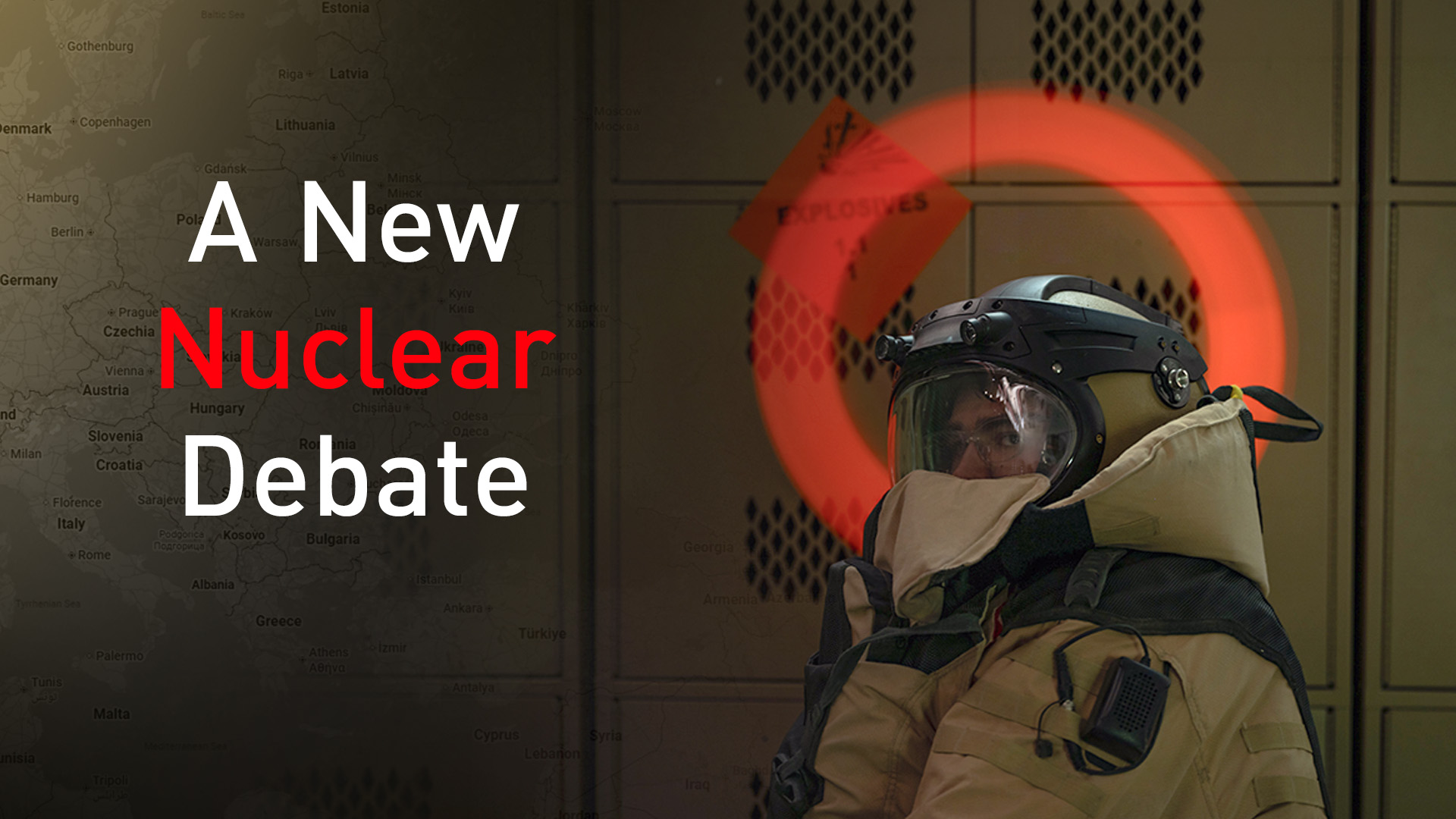
ERBIL (Kurdistan24) - Amid shifting global priorities and anxieties over a reduced American military footprint in Europe, Washington is quietly exploring the possibility of expanding its nuclear-sharing arrangements to include additional NATO allies. The highly confidential discussions, first reported by Henry Foy and Amy Mackinnon of the Financial Times, underscore a fundamental recalibration of the alliance's deterrence strategy in the shadow of the war in Ukraine.
The reported talks center on the potential deployment of U.S. dual-capable aircraft, warplanes equipped to deliver both conventional and nuclear payloads, to new host nations. According to the Financial Times, American officials have signaled an openness to this expansion as a strategic reassurance mechanism.
By broadening the reach of the nuclear umbrella, Washington aims to signal its unwavering commitment to European security, even as it presses the continent to shoulder a heavier burden in conventional defense.
The discussions emerge during a period of acute strategic vulnerability for Europe. Recent moves by the Trump administration to withdraw American troops and cancel planned deployments of advanced conventional weapons, part of a broader strategic pivot toward Asia, have alarmed European capitals.
NATO members fear these operational shifts could create dangerous capability gaps in the continent's defenses, leaving the irreplaceable American nuclear deterrent as the ultimate backstop against potential aggression.
Moscow's invasion of Ukraine and repeated nuclear saber-rattling by Russian President Vladimir Putin have catalyzed demands for stronger guarantees, particularly along NATO's eastern flank. The Financial Times reports that Poland and the Baltic states have expressed the greatest interest in hosting dual-capable aircraft bases.
Polish leaders, driven by their proximity to the Russian border, have openly courted a deeper nuclear partnership.
Former President Andrzej Duda previously urged Washington to extend the initiative to Polish territory.
Highlighting a broader European exploration of nuclear deterrence, Warsaw also recently engaged in a French-led initiative examining the temporary deployment of France's own independent nuclear arsenal to allied nations.
Any expansion of the American program would mark a historic shift in NATO's nuclear architecture.
The current sharing arrangement, forged during the Cold War, involves six nations: Belgium, Germany, Italy, the Netherlands, Türkiye, and the United Kingdom. Under this long-standing framework, U.S. troops securely store and guard forward-deployed nuclear bombs.
Simultaneously, assigned allied air groups flying F-35, F-15, and Tornado fighter jets train to participate in deterrence missions and, ultimately, to deliver the weapons. Crucially, Washington retains absolute authority over the authorization and use of the payloads.
While the strategic logic of an expansion is clear, sources familiar with the discussions cautioned the Financial Times that an agreement is not imminent.
Expanding the nuclear footprint would carry immense geopolitical weight, likely prompting a fierce rhetorical and strategic response from the Kremlin, which has consistently viewed the eastward movement of NATO military infrastructure as a hostile red line.
For NATO leadership, the immediate challenge is projecting unity and strength during a period of structural transition.
European allies are already committing to significant increases in domestic defense spending to backfill the conventional capabilities previously supplied by the United States. Following a recent gathering of alliance foreign ministers, NATO Secretary General Mark Rutte sought to project continuity in the face of Washington's shifting global focus.
Rutte acknowledged the changing geopolitical landscape, noting a shared alliance understanding that while the United States pivots toward other global theaters, the overall defense and deterrence posture in Europe must remain unchanged.
Seeking to dispel any doubts in Moscow about the alliance's collective resolve, Rutte issued a stark warning. If anyone were foolish enough to attack NATO, he said, the response would be devastating. As confidential talks over the expansion of the nuclear umbrella continue behind closed doors, maintaining the credibility of that devastating promise remains Europe's paramount security objective.
|
Summary Confidential discussions regarding the deployment of dual-capable aircraft to Eastern flank nations reflect mounting anxieties over conventional force drawdowns and Russian aggression. Washington is holding confidential discussions about expanding its nuclear-sharing arrangements to additional NATO nations, according to the Financial Times. The move aims to reassure European allies of America's defense commitments as the U.S. draws down conventional forces on the continent. |