Israel Intensifies Strikes on Iran and Lebanon as War Enters Fifth Day
Trump claims Iranian military assets destroyed as regional evacuations accelerate and casualties mount across the Middle East
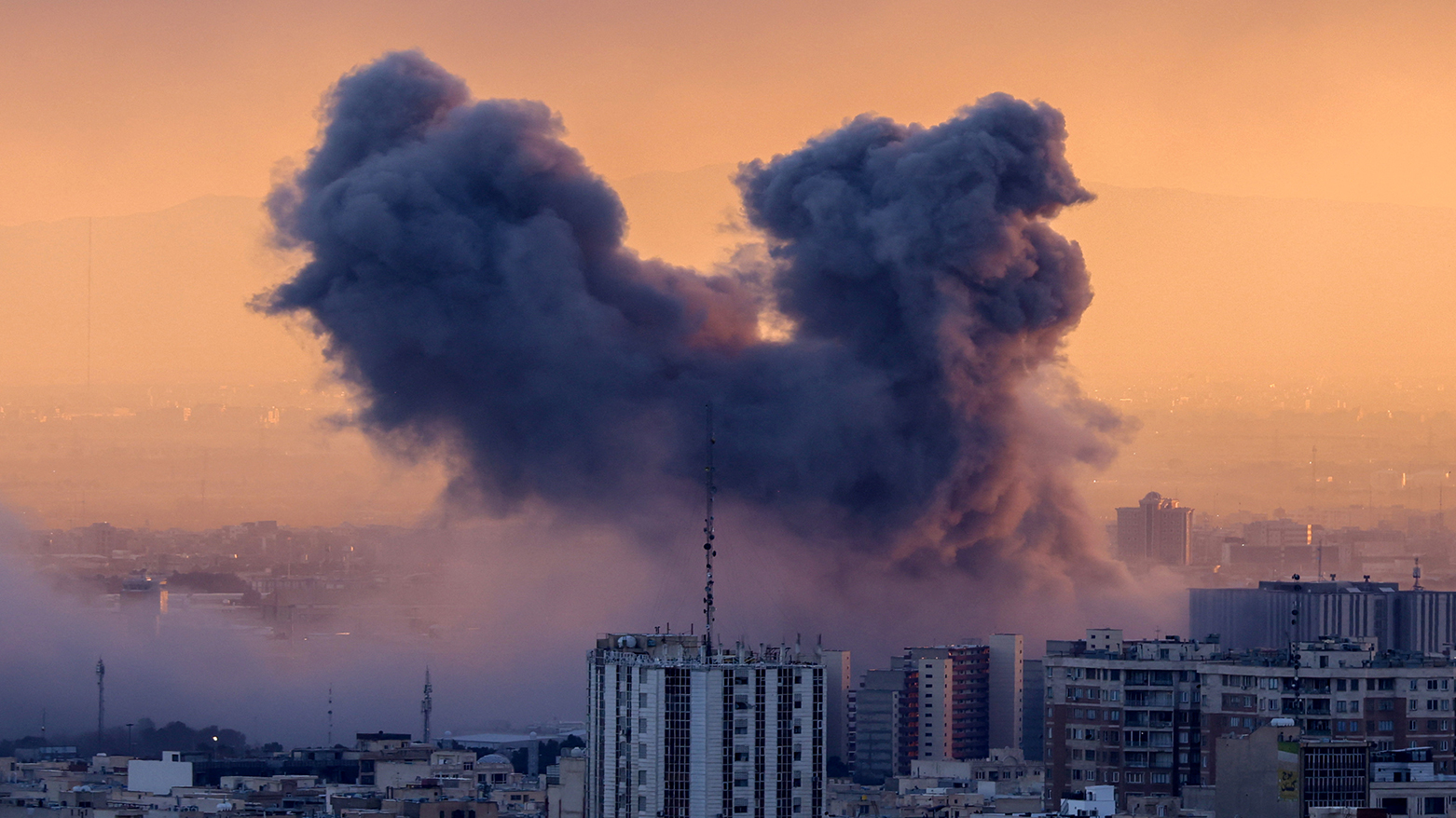
ERBIL (Kurdistan24) — Israel launched fresh strikes on Iran and Lebanon on Wednesday as Tehran expanded its retaliatory missile and drone barrages, deepening a five-day war that has rattled global markets, disrupted air travel, and pushed the region closer to broader conflict.
Lebanese state media reported that a residential building was hit in the eastern city of Baalbek, while additional strikes targeted areas south of Beirut and a hotel in the capital.
The Israeli military earlier issued an “urgent warning” calling on residents to evacuate 16 towns and villages in southern Lebanon ahead of planned operations against Hezbollah militants.
Escalation Across Multiple Fronts
Israel’s military announced a “broad wave of strikes” after midnight across Iran, following three waves of missile barrages launched by Tehran toward Israeli territory in the preceding hours.
Saudi Arabia said it intercepted two cruise missiles, while drones struck near the US consulate in Dubai, igniting a fire, and targeted the US military’s Al-Udeid base in Qatar.
The expanding theater of operations has underscored the regional spillover of hostilities.
In Washington, US President Donald Trump said American forces had “knocked out” Iran’s navy, along with its air force and radar systems. He added that the US Navy stood ready to escort tankers through the Strait of Hormuz, through which roughly one-fifth of global seaborne oil supplies transit.
Earlier, Iran’s Islamic Revolutionary Guard Corps claimed it had “complete control” of the vital waterway, heightening concerns over global energy supplies as oil prices continued to climb.
The US military said it has struck nearly 2,000 targets since launching coordinated operations with Israel on Saturday. The opening strikes reportedly killed Iran’s supreme leader, Ali Khamenei, a development that dramatically altered the strategic calculus in Tehran and triggered vows of severe retaliation.
In Lebanon, the Iran-backed Hezbollah movement has fired rockets and drones at Israel in response to Khamenei’s killing. Israeli strikes have since expanded beyond traditional Hezbollah strongholds.
Trump Signals Broader Impact
Admiral Brad Cooper, head of US Central Command, described the American military buildup as the largest in the Middle East in a generation. He said the initial barrage surpassed the scale of the 2003 “shock and awe” campaign against Iraq.
At the White House, Trump said two waves of US-Israeli attacks had killed Iranian figures viewed as potential successors to Khamenei. “Most of the people we had in mind are dead,” he said, adding that another meeting of prospective leaders may also have been targeted.
While Trump and Israeli Prime Minister Benjamin Netanyahu have encouraged Iranians to rise up, Trump clarified that regime change was not the official objective.
Iranian authorities, however, warned of devastating retaliation. Islamic Revolutionary Guard General Ebrahim Jabbari said Tehran would target “all economic centers in the region” if its main facilities were struck.
Civilian Toll and Evacuations
According to Iran’s Red Crescent, 787 people have been killed in Iran since the conflict began — a figure that AFP could not independently verify. Iranian officials also said a strike on a school in Minab killed more than 150 people on the first day of the war.
The US military confirmed that six American service members have been killed. In Israel, nine people died when a missile struck the town of Beit Shemesh. Across Gulf states, at least eight fatalities have been reported.
In Tehran, once a bustling metropolis of nearly 10 million, streets have fallen eerily quiet. Authorities urged residents to leave the capital, and security forces have set up checkpoints at major intersections.
“There are so few people that you’d think no one ever lived here,” said Samireh, a 33-year-old nurse who remained in the city.
Governments worldwide have scrambled to evacuate their citizens. The United States advised Americans to leave the region if possible, despite severe disruptions to commercial air travel. Britain and France dispatched chartered flights to assist stranded nationals.
With strikes intensifying, oil prices rising, and civilian casualties mounting across Iran, Israel, Lebanon, and the Gulf, the conflict shows little sign of immediate de-escalation — raising fears of a prolonged regional war.