Israeli Media Report Killing the Deputy Chief of Staff in Iran's Supreme Leader's Office
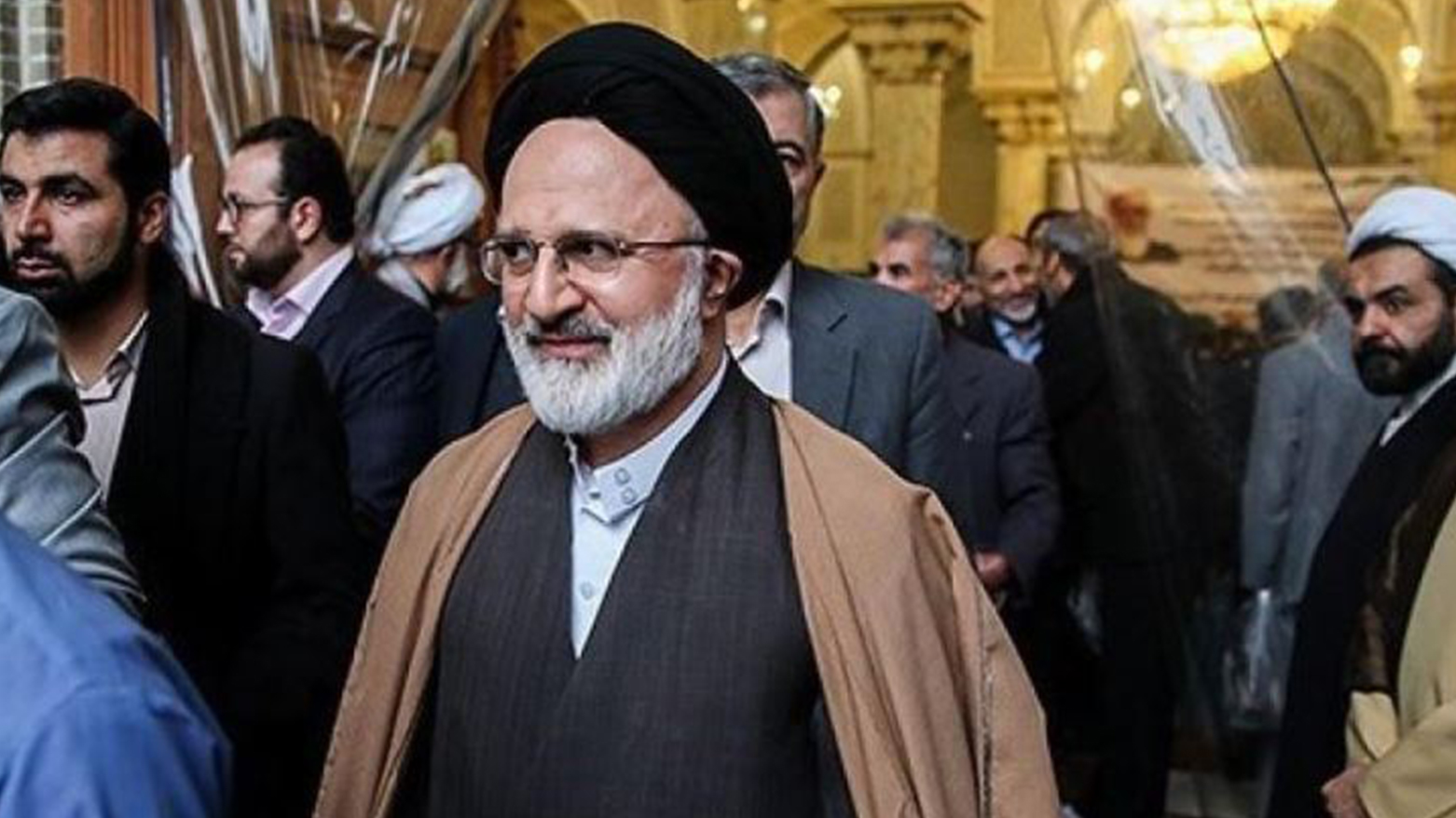
Israeli media report that Ali Asghar Mir Hejazi, deputy chief of staff in the office of Iran’s Supreme Leader, was killed in an Israeli airstrike targeting a fortified underground command facility in Tehran.
ERBIL (Kurdistan24) - In a major development in the intensifying Israel-Iran war, Israeli media reported that a senior figure within Iran’s leadership structure was killed during an Israeli airstrike on Tehran, marking another high-level casualty in the conflict that has shaken the country’s command network.
On Friday, Israel’s Channel 12 reported that Ali Asghar Mir Hejazi, the deputy chief of staff of the office of Ali Khamenei, the Supreme Leader of the Islamic Republic of Iran, was killed in an Israeli airstrike targeting the Iranian capital.
According to the report, Mir Hejazi was considered one of the most influential and powerful figures within Iran’s leadership structure, overseeing sensitive political and security files within the office of the Supreme Leader.
The report also noted that his killing comes one week after the death of Ali Khamenei himself, who was killed on February 28 during the first day of joint US-Israeli strikes.
Separately, the Israeli military announced in a statement that its forces had targeted a senior commander of the Iranian regime.
The military said the operation was carried out using 50 fighter jets, which struck a heavily fortified underground military bunker.
According to the statement, the targeted facility was located beneath Iran’s central leadership complex in Tehran and had been used as an emergency command center for Iran’s leadership.
The bunker reportedly contained multiple exits and meeting halls used by senior Iranian officials and extended beneath several main streets in Tehran.
These developments come as the region remains in the midst of an intense military confrontation, with strikes on strategic sites inside Iran continuing.
As the war entered its seventh day, Axios reported that US Secretary of State Marco Rubio informed Arab foreign ministers that the conflict could continue for several more weeks.
Rubio conveyed the message during a series of phone calls with Arab foreign ministers on Thursday, according to sources with direct knowledge of the conversations.
He told the ministers that the current military focus is on Iran’s missile launchers, stockpiles, and factories.
Rubio also said the United States’ goal is not regime change, while making clear that Washington wants different people running the country, the sources said.
He further noted that there is currently no US dialogue with the Iranian regime, stressing that negotiations now would undermine the ongoing military objectives.
Separately, President Donald Trump said Thursday that Iran wants to negotiate, but he told them they are “too late.”
The US State Department did not immediately respond to a request for comment.
US and Israeli strikes entered their seventh day on Friday with growing intensity, while Iran and its proxies — Hezbollah in Lebanon and Shia militias in Iraq — continued launching missiles and drones at US bases, Israel, and Gulf states.
However, CENTCOM commander Adm. Brad Cooper said Iranian missile attacks have fallen by 90 percent since the first day of the war.
US and Israeli officials also claimed on Thursday that 60 percent of Iran’s missile launchers and stockpiles have been destroyed.
On Friday, Israeli fighter jets struck a heavily fortified bunker beneath the compound of the late Supreme Leader Ali Khamenei, which served as his emergency command center.
IDF spokesman Brig. Gen. Efi Defrin said Israel believes senior Iranian officials had been using the bunker in recent days, and authorities are still assessing whether anyone was inside at the time of the strike.
Meanwhile, Hezbollah in Lebanon announced that it had carried out a series of new attacks targeting Israeli army positions in northern Israel.
On Friday, March 6, 2026, Hezbollah said its forces launched suicide drones targeting a gathering of Israeli troops in Kiryat Shmona, claiming the attack caused significant damage.
The group also said that at 3:30 p.m. on Friday, it bombarded Shomera in northern Palestine with a missile convoy.
Hezbollah said the attacks came in response to what it described as Israeli aggression targeting dozens of Lebanese cities and towns, including the southern suburbs of Beirut.
The group added that the strikes were part of a previously issued warning directed at residents of northern Israel.
These developments come as military tensions along the Lebanon–Israel border have reached a dangerous level, with airstrikes and missile attacks continuing on both sides.
The killing of a senior figure in the office of Iran’s Supreme Leader underscores the escalating scale of the conflict, as regional tensions deepen and military operations expand across multiple fronts.