Iraqi Oil Output Falls Sharply as Strait of Hormuz Disruptions Curtail Exports
Iraq’s oil output and exports have fallen sharply following the closure of the Strait of Hormuz, underscoring the waterway’s central role in global energy transportation.
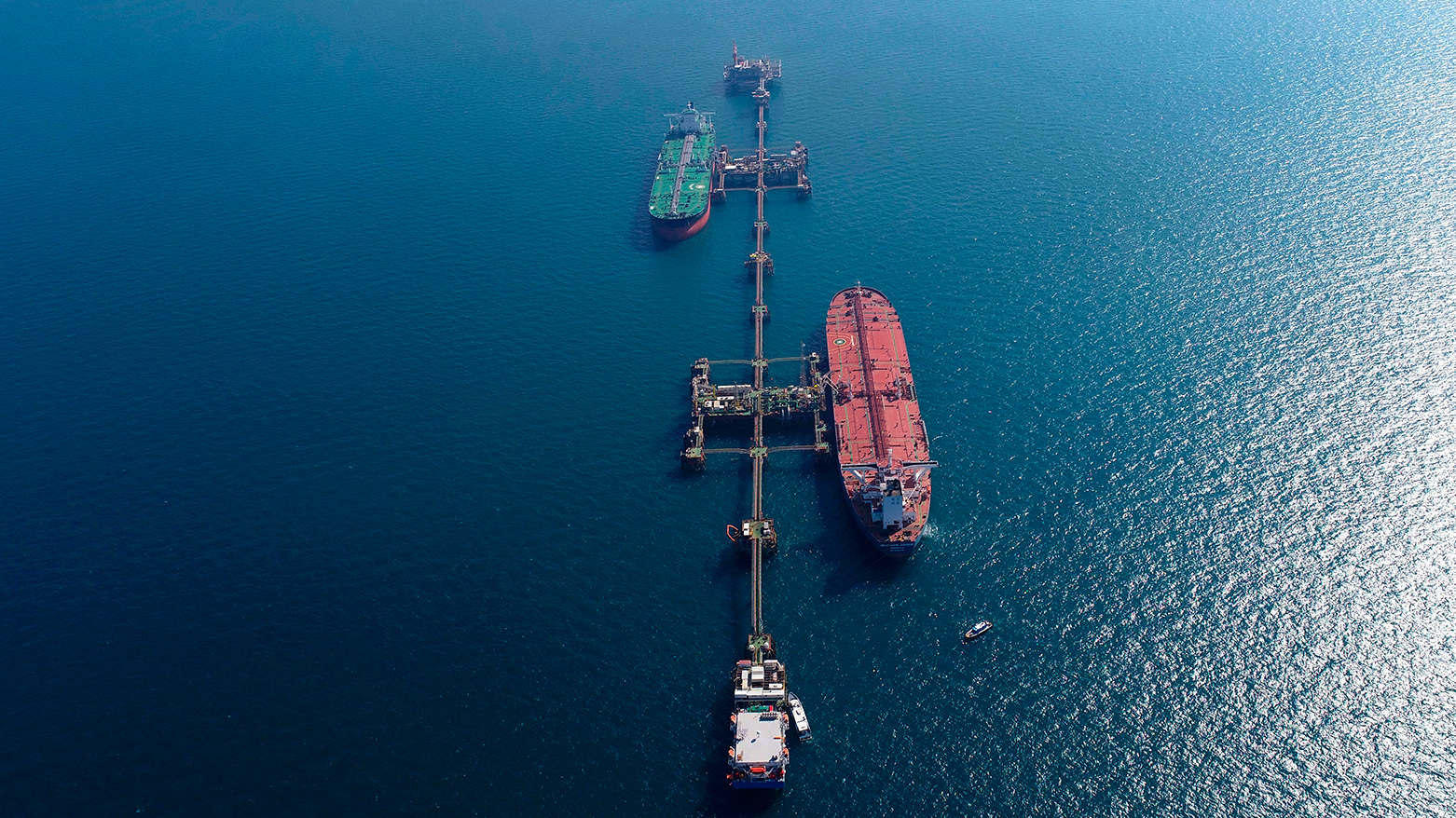
ERBIL (Kurdistan24) - Iraq’s oil production has fallen sharply following the closure of the Strait of Hormuz amid escalating regional tensions, with output dropping from 4.3 million barrels per day to 1.3 million barrels per day, according to economic reports cited in recent assessments of the disruption to global energy supply routes.
The decline in Iraqi production follows the suspension of maritime traffic through the Strait of Hormuz, a strategic waterway linking the Persian Gulf with international energy markets. The corridor is widely regarded as one of the world’s most critical energy transit routes and carries approximately 20 percent of global oil shipments.
According to the reports, the reduction in Iraqi oil production represents one of the most significant immediate economic impacts linked to the disruption of the strait, as the country relies heavily on maritime exports to deliver crude oil to international markets.
The closure of the waterway has also reduced Iraqi oil exports by at least 800,000 barrels per day, according to the reports. The reduction has created direct losses for refineries and petrochemical companies across Asia, particularly in China, where Iraqi crude supplies form part of the feedstock for major industrial operations.
Economic assessments cited in the reports said that several major Chinese refineries have already reduced operational capacity or temporarily suspended certain production units due to the decline in Iraqi crude shipments. In response to the supply shortage, energy companies in China have begun seeking alternative sources of crude oil from producers in Africa and Latin America.
The disruption has also had broader effects on global energy logistics. Security risks associated with navigating the Strait of Hormuz have driven increases in both shipping and insurance costs for oil tankers, according to the reports. These rising transportation expenses have contributed to higher prices for petrochemical products, reflecting the increased cost of moving crude oil and refined fuels through international markets.
The disruption to maritime traffic in the Strait of Hormuz has been severe. An international maritime traffic monitoring site reported that only 66 ships have passed through the strait over the past nine days, highlighting the scale of the slowdown in one of the world’s most heavily used shipping corridors.
According to the monitoring report, 15 of the vessels that transited the waterway during that period were Iranian, while the remaining ships primarily carried the flags of India, China, and Türkiye.
The same report said that the Iranian Revolutionary Guard Corps has been blocking and preventing U.S. and British commercial vessels from passing through the strait in response to the ongoing military tensions between Tehran and Western allies.
The decline in maritime activity represents a significant departure from normal shipping patterns in the region, where the strait typically handles a large share of the global oil trade.
The Strait of Hormuz connects the Persian Gulf with the Gulf of Oman and the wider Arabian Sea, serving as the primary export route for oil produced by several major energy exporters in the region, including Iraq.
Because of this role, disruptions to shipping through the corridor have immediate consequences for energy supply chains and pricing in global markets.
The disruption to Iraqi oil exports comes as global energy markets are already experiencing heightened volatility linked to the broader conflict involving Iran, Israel, and the United States.
Oil prices surged above $100 per barrel for the first time in nearly four years as concerns about the stability of energy supplies intensified, according to market data cited in earlier reporting.
Both Brent crude and West Texas Intermediate rose more than 15 percent when markets opened following the escalation in regional tensions, reaching price levels not seen since the early months of the 2022 war in Ukraine.
The price increase has been closely tied to concerns that the widening conflict could interrupt energy production and transportation across the Gulf region.
The closure of the Strait of Hormuz has been a central factor in those concerns because of the large share of global oil shipments that normally move through the corridor.
According to the data cited in the reports, roughly one-fifth of global crude oil and natural gas shipments pass through the strait under normal conditions, making it one of the most strategically important maritime routes in the international energy system.
The disruption to tanker traffic has therefore been closely monitored by governments, energy companies, and financial markets.
U.S. President Donald Trump addressed the increase in oil prices in a social media post, defending the ongoing military campaign against Iran and describing the price rise as temporary.
“Short term oil prices, which will drop rapidly when the destruction of the Iran nuclear threat is over, is a very small price to pay for U.S.A., and World, Safety and Peace,” Trump wrote.
“ONLY FOOLS WOULD THINK DIFFERENTLY!” he added.
U.S. officials have also sought to reassure markets that global oil supply remains adequate despite the disruption in the Gulf region.
U.S. Energy Secretary Chris Wright said supply interruptions were unlikely to last for an extended period.
“Worst case, that's a few weeks. That's not months,” Wright said in comments to CNN.
Wright also said that global oil supplies remain sufficient despite the current market volatility.
“They shouldn't go much higher than they are here because the world is very well supplied with oil,” Wright said in comments to CBS.
Officials have also begun discussing measures to stabilize maritime traffic through the strait. According to Wright, authorities are currently in discussions with shipping companies seeking to move vessels out of the Gulf region amid the security risks.
He said that early tanker movements could involve direct protection by the U.S. military to ensure safe passage through the Strait of Hormuz.
“Early tankers probably will involve some direct protection by the US military” to get through the strait, Wright said.
Officials have indicated that such measures are intended to restore confidence in maritime transit through the corridor and allow energy shipments to resume normal operations.
At the same time, financial measures have been introduced to address the insurance risks associated with shipping in the region.
The U.S. International Development Finance Corporation announced that it is establishing a reinsurance mechanism valued at up to $20 billion to cover risks linked to maritime travel through the Strait of Hormuz during the conflict.
The program is intended to provide financial protection for shipping companies operating in the area while the security situation remains unstable.
Energy analysts and policymakers continue to monitor the situation closely as the conflict enters its second week.
The scale of the disruption to Iraqi oil production and exports illustrates the broader economic consequences that the closure of the Strait of Hormuz can have for both regional energy producers and global markets.