Iran Launches Fresh Attacks on Gulf Energy Targets as Regional War Intensifies
Oil prices surge past $100 amid tanker attacks, strikes across Lebanon, and growing fears of prolonged economic disruption
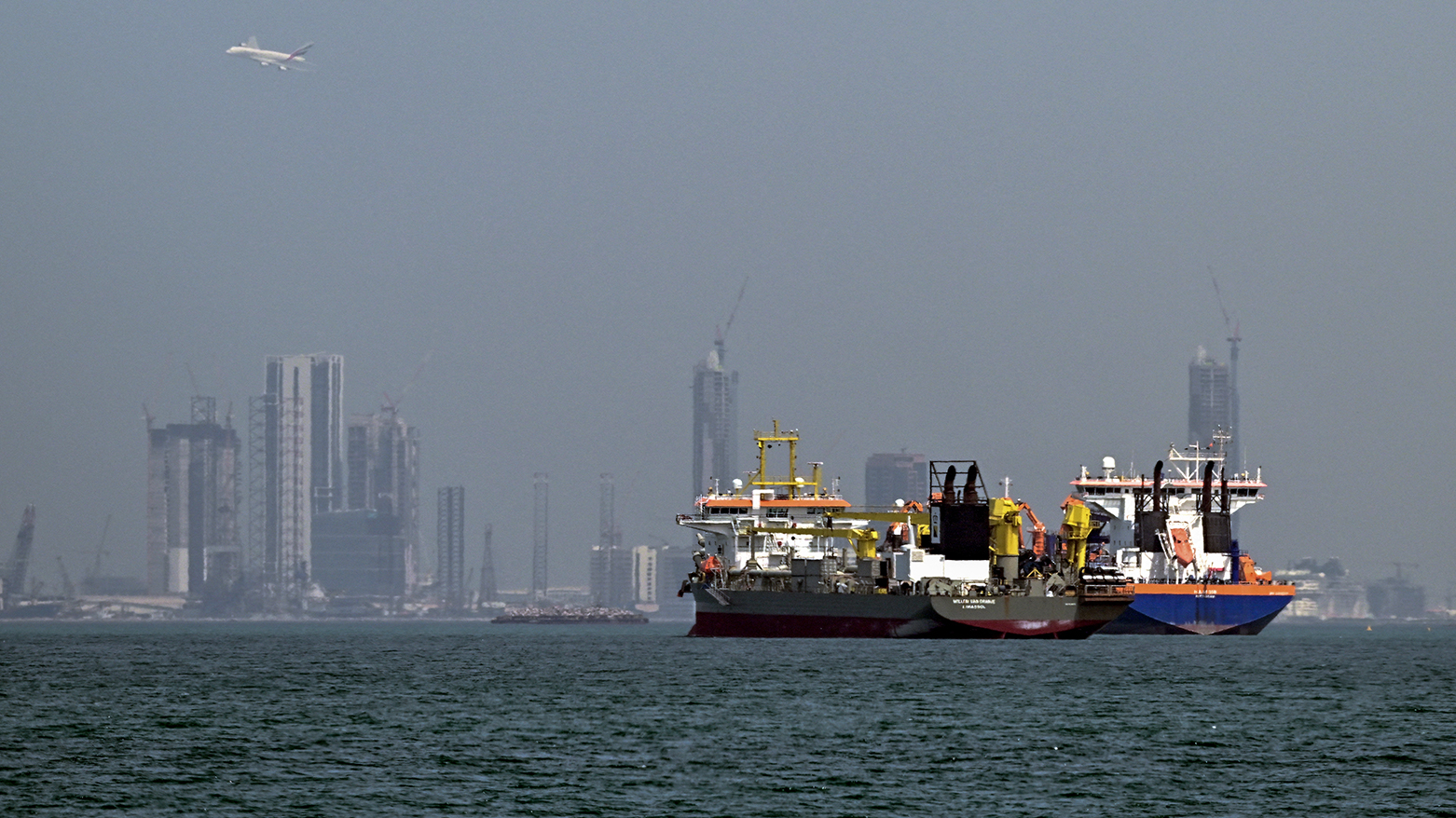
ERBIL (Kurdistan24) — Iran launched a new wave of drone and missile attacks targeting energy infrastructure across the Gulf on Thursday, escalating a rapidly widening regional war and pushing global oil prices above $100 per barrel despite unprecedented releases from strategic reserves.
The latest strikes came hours after two oil tankers near Iraq were attacked in what Iraqi authorities described as sabotage, killing at least one crew member and triggering an ongoing search for missing sailors. Thirty-eight crew members were rescued, officials said.
The renewed attacks followed warnings from Tehran that it could wage a prolonged conflict that would “destroy” the global economy if the ongoing war with the United States and Israel continues.
U.S. President Donald Trump said Iran was nearing defeat but cautioned that the conflict might not end immediately.
“They’re pretty much at the end of the line,” Trump told reporters. “Doesn’t mean we’re going to end it immediately, but they are.”
The war, launched by the United States and Israel, has spread rapidly across the Middle East, triggering attacks on shipping routes, oil facilities, and cities while intensifying fighting in Lebanon.
On Thursday morning, authorities in Bahrain urged residents to remain indoors and close windows after Iranian strikes hit fuel storage tanks.
In Saudi Arabia, officials said air defenses intercepted drones heading toward the strategic Shaybah oil field and the diplomatic district.
Earlier, drones struck fuel tanks at the port of Salalah in Oman, forcing authorities to suspend operations at the facility.
Shipping routes were also affected. A container ship near the United Arab Emirates was struck by an “unknown projectile,” according to the UK Maritime Trade Operations agency, which reported a small onboard fire but no casualties among the crew.
The attacks follow growing threats from Tehran to block the Strait of Hormuz, the narrow maritime corridor through which roughly one-fifth of the world’s oil supply passes.
Iran has vowed that “not one liter of oil” will leave the Gulf while the U.S.-Israeli offensive continues.
Over the past 24 hours alone, at least four incidents involving vessels have been reported in the region. A Thai bulk carrier was struck by two projectiles on Wednesday, leaving three crew members missing and believed trapped in the engine room, according to transport firm Precious Shipping.
In Kuwait, authorities said a “hostile drone” struck a residential building, injuring two people, while the UAE reported activating air defenses against a missile threat.
Trump warned that Washington could target Iranian infrastructure that would take “a generation” to rebuild, but indicated the United States preferred to exercise restraint.
Earlier, he said American forces had struck 28 Iranian vessels allegedly used to lay naval mines.
Meanwhile, Islamic Revolutionary Guard Corps officials warned they could target economic centers and banks linked to U.S. and Israeli interests.
Ali Fadavi, an adviser to the Guards’ commander-in-chief, told Iranian state television that Washington and Tel Aviv should prepare for “a long-term war of attrition that will destroy the entire American economy and the world economy.”
The intensifying conflict has already sent shockwaves through global markets.
Oil prices surged above $100 per barrel on Thursday despite an emergency move by the International Energy Agency to release 400 million barrels of strategic crude reserves — including 172 million barrels from the United States.
Analysts say the market remains deeply concerned that disruptions around the Strait of Hormuz could persist for months.
Many now believe oil prices between $90 and $100 per barrel could become the new normal if the conflict drags on.
The Israeli military said it had begun a “wide-scale wave of strikes targeting terror infrastructure” belonging to Hezbollah across Lebanon and confirmed detecting another missile launch from Iran toward Israel.
Authorities in Israel say 14 people have been killed there, while attacks across the Gulf have left at least 24 dead, including 11 civilians and seven U.S. military personnel.
The financial cost is also mounting. Lawmakers were told in a Pentagon briefing that the war has already cost the United States more than $11.3 billion, according to a report by The New York Times.