Iraq Cuts Oil Exports Amid Strait of Hormuz Tensions, Seeks Alternative Routes
“Oil exports constitute 90 percent of Iraq’s revenues, and the ministry has decided to continue crude oil production at a level of 1.4 million barrels per day,” he stated.
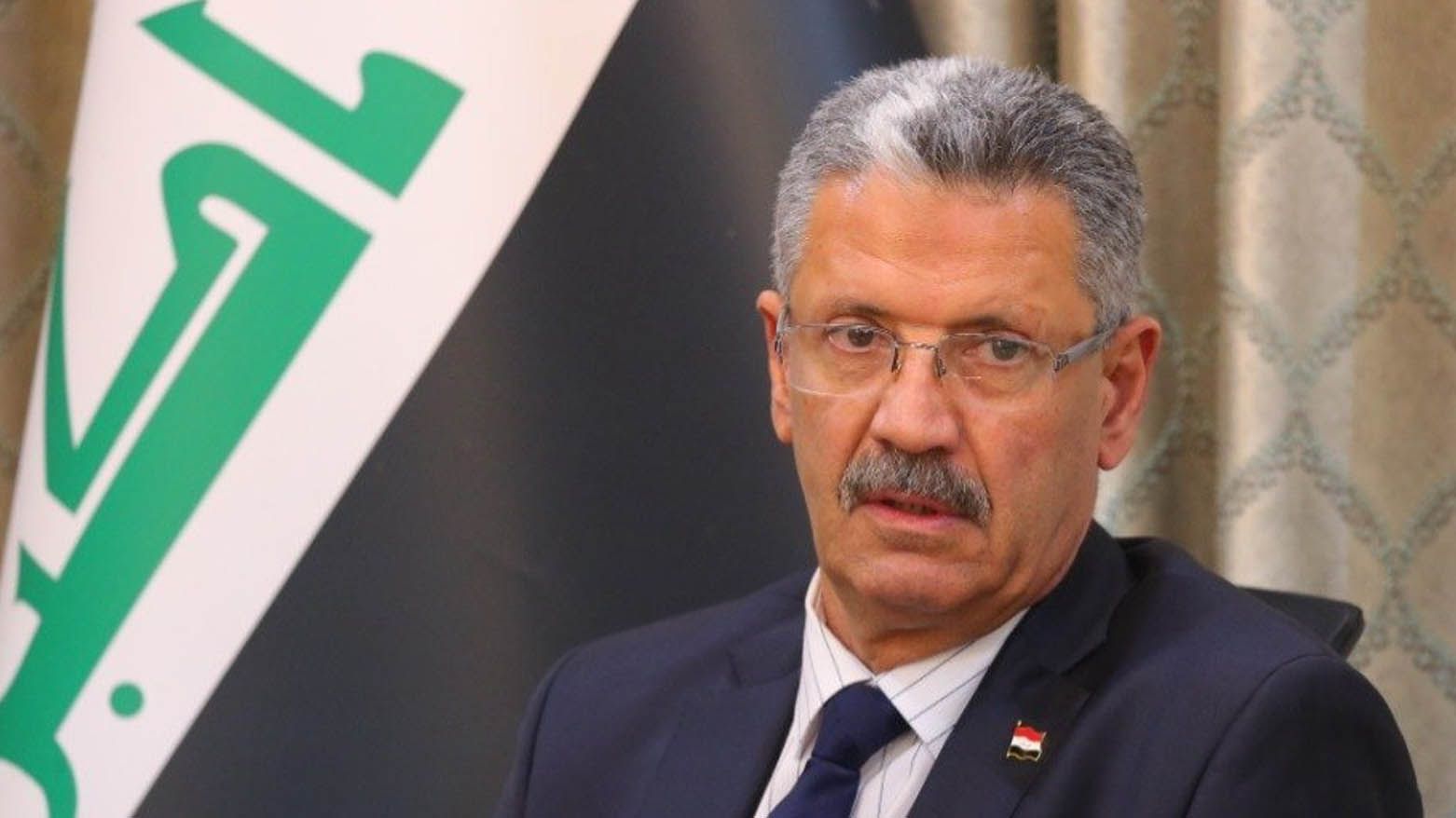
ERBIL (Kurdistan24) – Iraqi Oil Minister Hayyan Abdul Ghani confirmed on Thursday that the government has prepared detailed plans to manage the ongoing situation in the strategic Strait of Hormuz amid rising regional tensions.
In an interview with the official Iraqi News Channel, Abdul Ghani said that oil exports remain the backbone of Iraq’s economy.
“Oil exports constitute 90 percent of Iraq’s revenues, and the ministry has decided to continue crude oil production at a level of 1.4 million barrels per day,” he stated.
He added that domestic energy needs are being fully met, noting that refineries across the country are operating at full capacity.
“Refineries are operating at full capacity to meet domestic requirements, and sufficient quantities of liquefied gas are available to fully satisfy domestic demand,” the minister said.
However, Abdul Ghani confirmed that oil exports from Iraq’s southern ports have been halted due to the current situation, prompting authorities to look for alternative export routes.
“Exports from the southern ports have ceased, prompting us to search for possible alternatives for crude oil exports,” he explained.
According to the minister, an agreement to resume exports through the Turkish port of Ceyhan is close to being finalized, which could help Iraq maintain some level of oil shipments despite the disruption.
Abdul Ghani also revealed that the ministry has activated an emergency plan to transport around 200,000 barrels of oil per day by tanker trucks through neighboring countries, including Turkey, Syria, and Jordan.
In a separate statement, the oil minister denied reports suggesting that tankers targeted in a recent attack were Iraqi vessels. He clarified that the ships were not Iraqi and were transporting naphtha at the time of the incident.