Axios: Trump Rejected Putin's Proposal to Transfer Iran's Enriched Uranium to Russia
Axios reported that Donald Trump rejected a proposal by Vladimir Putin to move Iran’s enriched uranium to Russia as part of a potential deal to end the war.
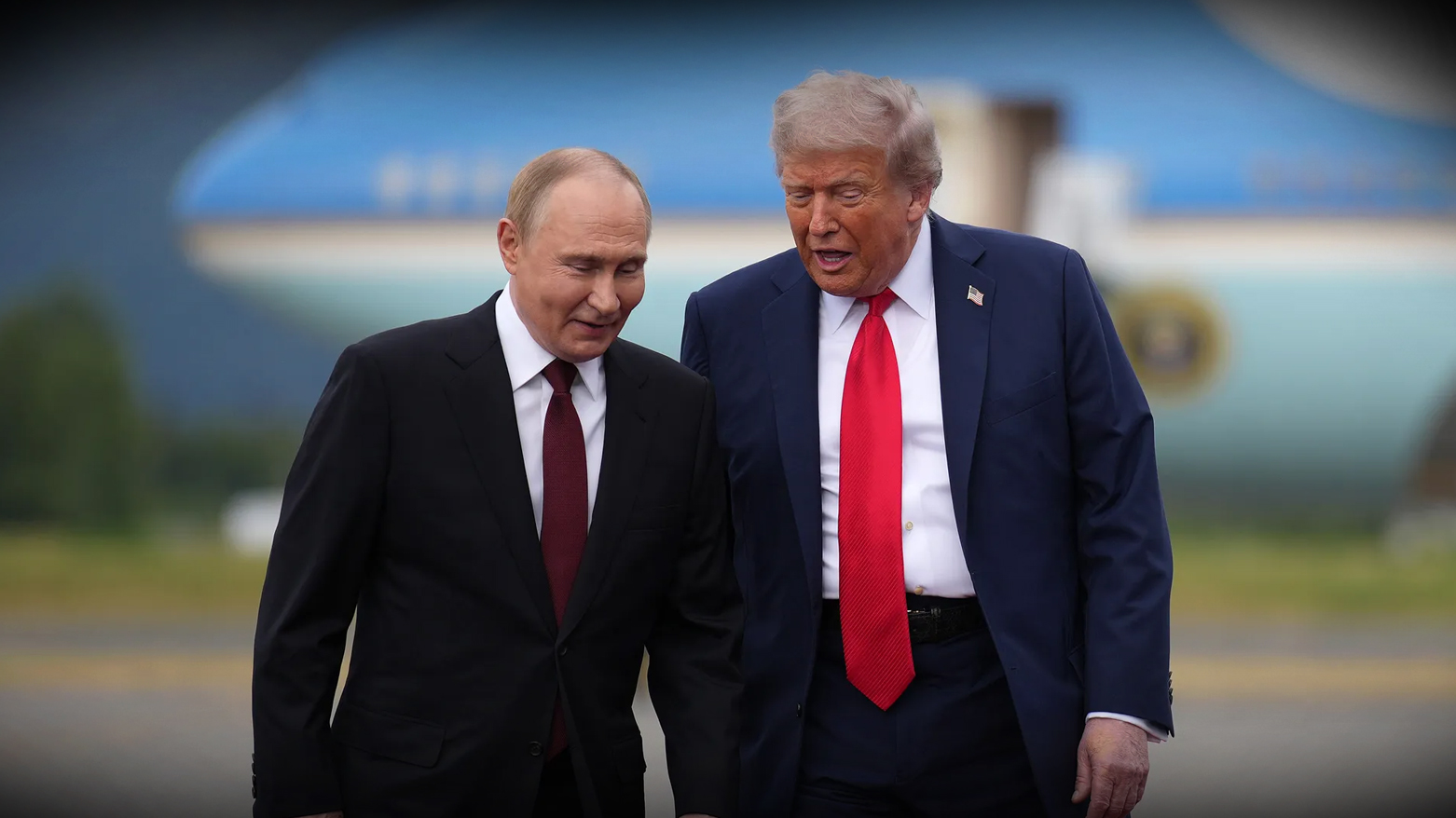
ERBIL (Kurdistan24) - US President Donald Trump rejected a proposal from Russian President Vladimir Putin to transfer Iran’s enriched uranium to Russia as part of a potential arrangement aimed at ending the ongoing war, according to a report published by Axios.
According to Axios, Putin raised the proposal during a phone call with Trump earlier in the week.
The Russian leader suggested moving Iran’s enriched uranium to Russia as part of efforts to bring the war between the United States and Iran to an end.
Sources cited by Axios said Trump declined the proposal.
The issue of securing Iran’s uranium stockpile remains one of the central objectives for the United States and Israel during the conflict.
According to the report, Iran currently possesses about 450 kilograms of uranium enriched to sixty percent purity, which could be converted to weapons-grade material within weeks and would be enough for more than ten nuclear bombs.
In theory, transferring the material to Russia could remove Iran’s nuclear stockpile without requiring US or Israeli forces to enter Iranian territory.
Russia is already a nuclear power and previously stored Iran’s low-enriched uranium under the 2015 nuclear agreement, making it one of the few countries with the technical capacity to receive the material.
Axios reported that Putin presented several ideas during the call for ending the war between the United States and Iran, with the uranium transfer proposal among them.
A US official told the outlet:
“This is not the first time it was offered. It hasn't been accepted. The US position is we need to see the uranium secured.”
Russia had previously raised similar proposals during US-Iran nuclear negotiations in May, before the United States and Israel carried out strikes on Iran’s nuclear facilities in June, as well as in the weeks leading up to the current war.
During the last round of talks before the war, Iran rejected the proposal to transfer the uranium and instead suggested diluting the material inside its own facilities under the supervision of the International Atomic Energy Agency.
It remains unclear whether Iran would accept the proposal under the current circumstances.
A US official also told Axios that Trump remains open to diplomatic engagement but insists any agreement must meet Washington’s conditions:
“The president talks to everyone — Xi, Putin, the Europeans — and he's always willing to make a deal. But it has to be a good deal. The president doesn't make bad deals.”
Axios also reported that the United States and Israel have discussed the possibility of sending special forces into Iran at a later stage of the war to secure the nuclear stockpile.
US Secretary of Defense Pete Hegseth said during a press conference Friday that Washington has multiple options regarding Iran’s highly enriched uranium.
“The US has a range of options,” Hegseth said.
He added that one possible scenario would involve Iran voluntarily surrendering the uranium stockpile.
“That is something we would welcome,” he said.
Hegseth continued:
“They weren't willing to do that in negotiations. I would never tell this group or the world what we're willing to do or how far we're willing to go — but we have options, for sure.”
However, Trump suggested in an interview with Fox News Radio that securing the uranium is not currently the administration’s top priority.
“We are not focused on that, but at some point we might be,” he said.
The US president also acknowledged for the first time that Russia may be providing assistance to Iran during the conflict.
“I think [Putin] might be helping them a little bit, yeah. And he probably thinks we're helping Ukraine, right?” Trump said in the Fox interview.
“So he says that, and China would say the same thing. It's like, hey, they do it and we do it, in all fairness.”
The report highlights the complex diplomatic and military calculations surrounding Iran’s nuclear stockpile as the conflict involving the United States, Israel, and Iran continues.