Trump Announces New Tariff on EU Auto Imports Amid Trade Dispute
U.S President announced a 25% tariff on EU car imports, significantly raising previous rates and intensifying trade tensions with the European Union.
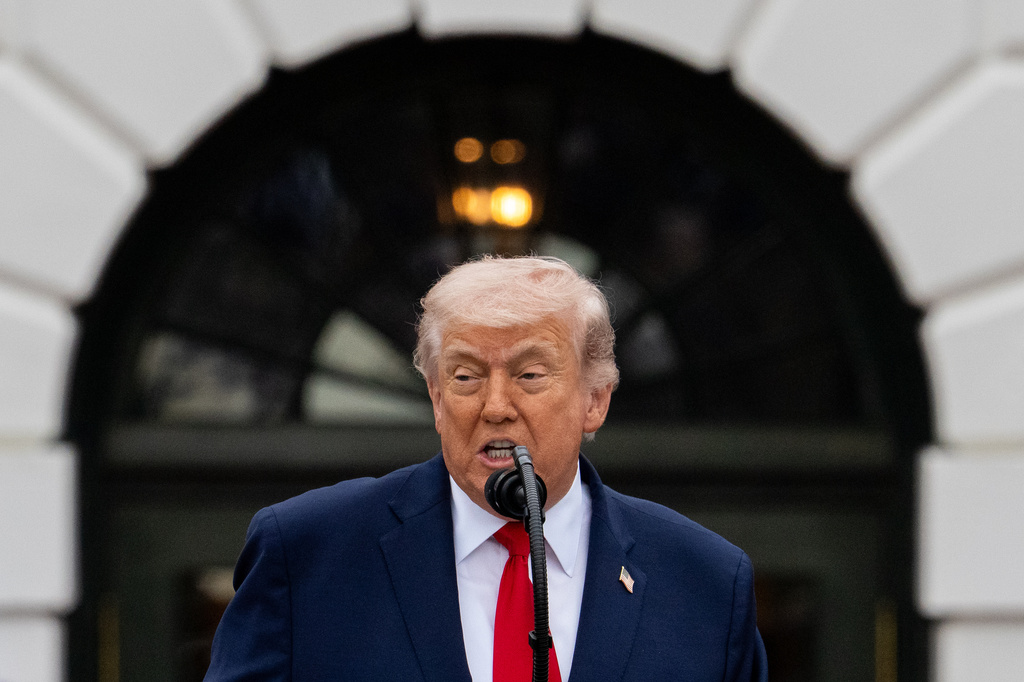
ERBIL (Kurdistan 24) - U.S. President Donald Trump on Truth Social announced he will increase tariffs on cars and trucks imported from the European Union to 25%, citing what he described as the bloc’s failure to comply with an agreed trade deal.
In a statement on Friday, Trump said the new tariff rate would take effect next week and emphasized that vehicles produced in the United States would not be subject to the levy.
“I will be increasing tariffs charged to the European Union for cars and trucks coming into the United States… The tariff will be increased to 25%,” he said.
The president framed the move as part of a broader strategy to encourage manufacturing within the United States, adding that companies establishing production facilities domestically would avoid tariffs altogether.
“It is fully understood and agreed that, if they produce cars and trucks in U.S.A. plants, there will be no tariff,” he said.
Trump also pointed to ongoing investments in the American automotive sector, saying more than $100 billion is currently being directed toward new manufacturing plants.
“Many automobile and truck plants are currently under construction… These plants, staffed with American workers, will be opening soon,” he said.
He described the scale of investment as unprecedented, calling it “a record in the history of car and truck manufacturing.”
The announcement marks a significant increase from previous U.S. tariff levels on imported vehicles.
Historically, the United States imposed a 2.5% tariff on passenger cars imported from the European Union, while light trucks faced a much higher tariff of 25%, a long-standing measure dating back decades.
Trump’s new policy effectively raises tariffs on EU passenger vehicles to match the existing rate applied to trucks, representing a sharp escalation in trade measures targeting the European automotive sector.
The move comes amid ongoing tensions between the United States and the European Union over trade policies, tariffs, and market access. The European Union has previously opposed U.S. tariff measures, arguing they disrupt transatlantic trade and could trigger retaliatory actions.
Trade disputes between the two sides have historically centered on automotive exports, industrial goods, and regulatory standards, with both sides seeking leverage in negotiations.
Trump’s decision signals a renewed escalation in U.S.-EU trade tensions, while reinforcing his administration’s focus on domestic production and industrial investment.