Iran Urges Countries to Avoid Actions That Could Widen War With U.S. and Israel
Iranian FM Abbas Araghchi urged other countries to avoid actions that could widen the war with the United States and Israel, while affirming Tehran’s readiness to engage in regional diplomatic efforts, including the formation of a joint investigative committee.
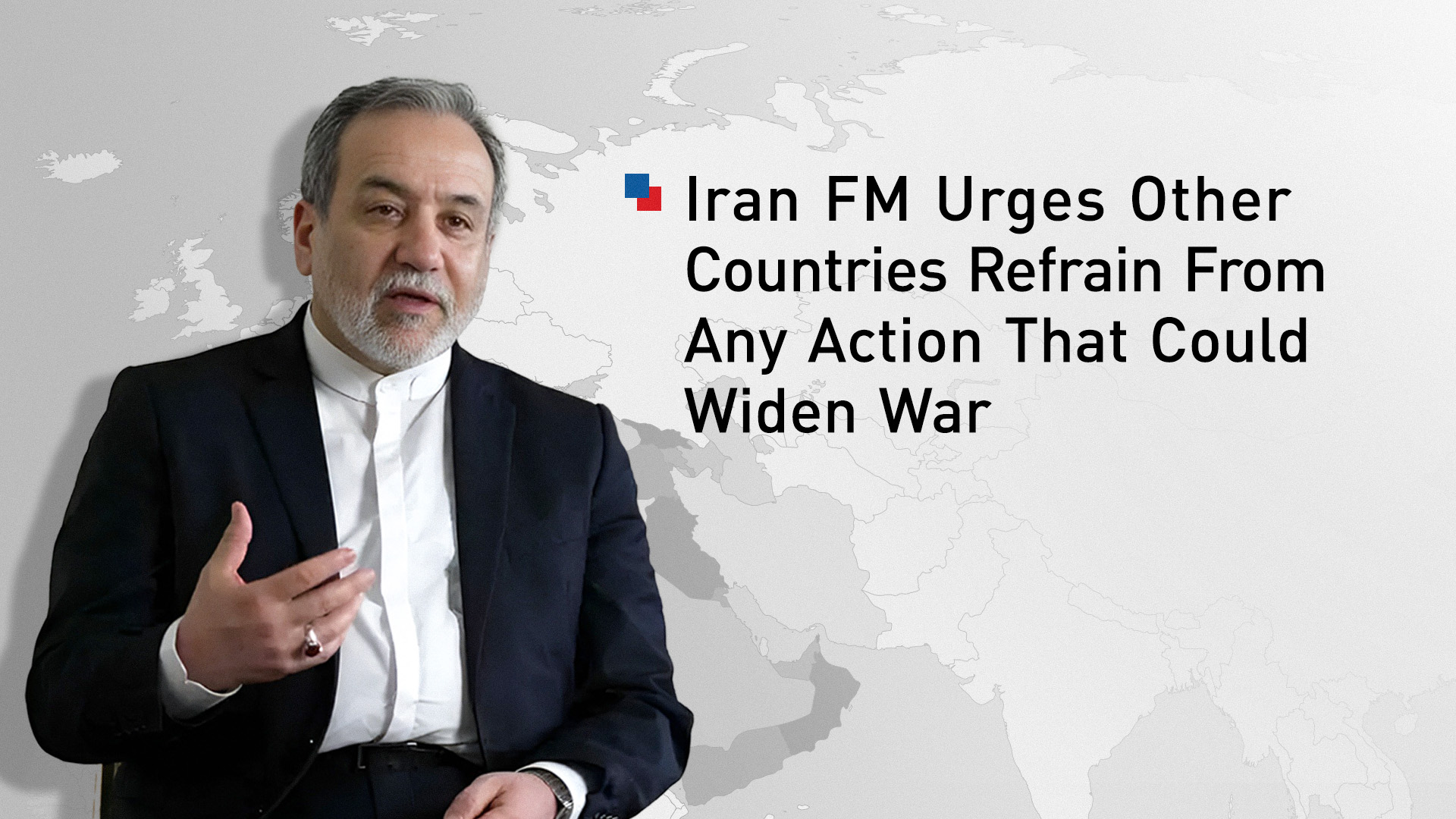
ERBIL (Kurdistan24) - Iran’s Foreign Minister Abbas Araghchi urged other nations on Sunday to refrain from any action that could escalate the ongoing war with the United States and Israel, following U.S. President Donald Trump’s call for allied naval forces to secure the Strait of Hormuz.
Araghchi made the remarks during a phone conversation with French Foreign Minister Jean-Noel Barrot, according to a statement released by Iran’s Foreign Ministry, emphasizing the need to avoid widening the conflict.
Araghchi said Tehran is prepared to coordinate with regional countries to manage the situation and proposed the formation of a joint investigative committee to clarify the nature of attacks in the region.
He stated that Iran’s strikes have been aimed specifically at U.S. bases and interests, characterizing them as retaliatory measures in response to operations launched against Iran from American positions, as reported by Al-Araby Al-Jadeed.
In his communication with Barrot, Araghchi stressed that ongoing regional diplomacy is focused on de-escalation. He noted that Iran is in contact with neighboring states including Qatar, Saudi Arabia, and Oman, and that proposals from these countries to reduce tensions and facilitate a resolution are under consideration.
The Iranian minister emphasized Tehran’s willingness to examine any plan that would ensure a full cessation of hostilities.
Araghchi also highlighted claims that the United States and Israel have conducted attacks targeting other countries in the region using drones, including a U.S. model reportedly named “Lukas,” similar to Iran’s Shahed drone.
He noted that information regarding these operations is being studied as part of Iran’s efforts to understand the broader scope of military activity in the region.
The remarks came as President Trump, responding to Iran’s continued threats and operations, urged international partners to deploy naval forces alongside the United States to secure the Strait of Hormuz, a key maritime passage for global energy shipments.
In a statement posted on his Truth Social account on Saturday, Trump said nations affected by Iran’s attempts to disrupt shipping could contribute warships to ensure safe passage through the strait. He specifically called on China, France, Japan, South Korea, and the United Kingdom to join the effort, describing it as a shared responsibility for global energy security.
Trump reiterated that U.S. forces have “destroyed 100 percent” of Iran’s military capabilities but warned that Tehran could still attempt to disrupt maritime traffic through drones, mines, or short-range missile attacks.
He pledged that the United States would continue striking Iranian positions along the coastline and intercepting Iranian vessels if necessary to maintain control over the waterway. “One way or the other, we will soon get the Hormuz Strait open, safe, and free,” the president wrote.
The U.S. statement further characterized Iran’s capabilities as significantly degraded, noting that military and economic pressure had “completely decimated” Iranian positions. Trump emphasized that while Washington is leading the operations, securing the strait should be a coordinated effort among nations reliant on the passage for oil shipments.
The president stated that collaboration with other countries is intended to ensure the safe transit of vessels through the strategic chokepoint and described such cooperation as essential for regional stability.
The Strait of Hormuz, a narrow passage between Iran and Oman, is among the world’s most critical maritime routes, carrying a significant portion of global oil exports.
Disruption in the strait raises the potential for serious economic consequences, particularly for nations dependent on Middle Eastern oil supplies. U.S. officials have indicated that the increasing threat from Iran has prompted consideration of escort missions and other operations to restore commercial navigation through the strait.
Araghchi’s statements emphasized Iran’s position as responsive rather than aggressive, asserting that all Iranian strikes have targeted U.S. military positions and interests in the region, while ongoing diplomatic contacts reflect Tehran’s willingness to work toward a resolution with neighboring states.
He also indicated that Iran is actively evaluating intelligence on U.S. and Israeli military actions in nearby countries, underscoring the complexity of regional hostilities and the potential for inadvertent escalation.
The joint investigative committee proposed by Araghchi would involve regional countries in assessing the legitimacy and targets of attacks, with the aim of clarifying whether incidents involve U.S. facilities or other sites.
Araghchi described this initiative as part of Tehran’s efforts to ensure transparency and prevent misunderstandings that could further widen the conflict.
Trump’s appeal for allied naval deployment follows a pattern of expanding U.S. military operations to safeguard international shipping and energy infrastructure, reflecting concerns over Iran’s capacity to disrupt the Hormuz Strait.
The president’s statements also highlighted the strategic importance of coordinated action with global partners to prevent the waterway from becoming a flashpoint for broader conflict.
The developments coincide with ongoing high-level diplomatic engagement across the region. Araghchi confirmed that communications with countries such as Qatar, Saudi Arabia, and Oman remain active and that various mediation initiatives are under consideration to facilitate the de-escalation of hostilities.
These contacts indicate a continued effort by Iran to seek regional consultation on measures that could limit the scope of the conflict while defending national interests.
Both sides have framed the situation in terms of responsibility and accountability. Iran emphasizes its operations as defensive and targeted, while the United States presents its actions as necessary to protect global shipping and deter further Iranian interference.
The contrasting narratives illustrate the challenge faced by the international community in addressing the conflict, particularly regarding civilian and commercial maritime safety, regional security, and broader geopolitical stability.
The international response to Trump’s call for naval support has yet to be fully disclosed, though the request reflects the U.S. intent to share operational responsibility for securing the Hormuz Strait among nations with strategic interests in the region.
According to Trump, countries dependent on uninterrupted passage through the strait are expected to contribute to the protection of international shipping.
Iran’s emphasis on de-escalation and the proposed regional investigative committee represents an attempt to involve neighboring states directly in monitoring and adjudicating incidents that could otherwise exacerbate tensions.
Araghchi stressed that Tehran is ready to review any plan that guarantees a complete conclusion to hostilities while continuing defensive operations against U.S. and Israeli forces in the region.
The situation in the Gulf remains fluid, with both sides maintaining military readiness and pursuing diplomatic engagement. U.S. strikes, Iranian countermeasures, and international appeals for restraint continue to define the evolving security environment, particularly around the Strait of Hormuz, a vital corridor for global energy transport.