Iran Says U.S. Started War Seeking Iran’s Unconditional Surrender, Now Urging Allies to Reopen Hormuz
“I repeat that we have not sent any message and have not requested any ceasefire,” FM Araghchi said, adding that Iran would continue its stance without compromise.
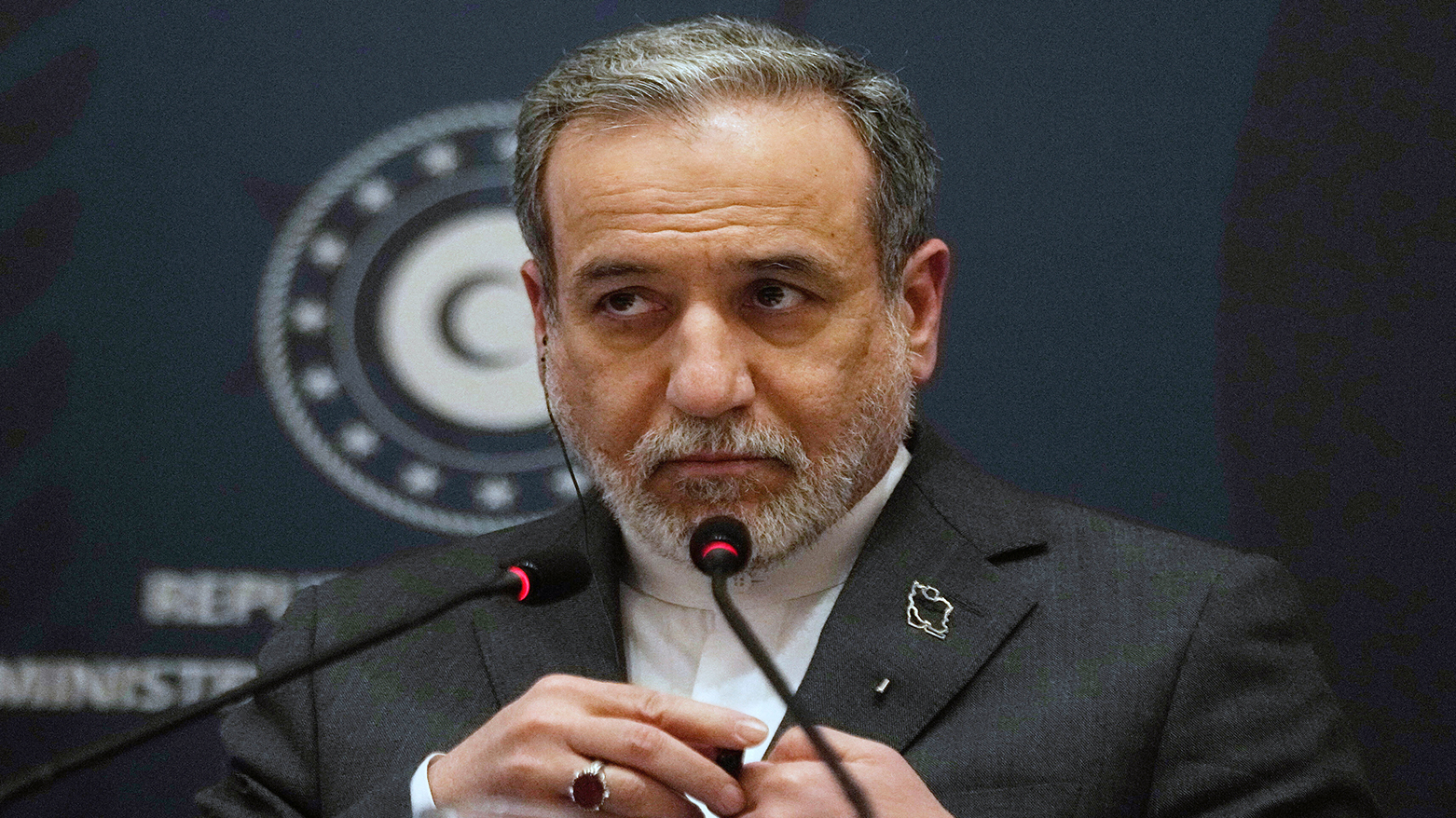
ERBIL (Kurdistan24) — Abbas Araghchi, the foreign minister of Iran, said Monday that the ongoing war must end in a way that prevents its recurrence, accusing the United States of launching the conflict in pursuit of Iran’s unconditional surrender.
In remarks on March 16, Araghchi said Washington had initiated the war with the objective of forcing Tehran to capitulate without conditions but was now calling on other countries to help reopen the strategic Strait of Hormuz.
“The war must end in a way that prevents it from happening again,” the Iranian foreign minister said, emphasizing that Tehran would continue what he described as its “resistance” without retreat.
Araghchi also rejected reports suggesting Iran had sought a ceasefire, stressing that Tehran had neither sent messages requesting a truce nor appealed for negotiations.
“I repeat that we have not sent any message and have not requested any ceasefire,” he said, adding that Iran would continue its stance without compromise.
In a separate post on the social platform X, Araghchi accused Israel and the United States of carrying out airstrikes that have killed hundreds of Iranian civilians. He claimed that more than 200 children were among the dead and alleged that some neighboring countries hosting U.S. forces were facilitating the attacks.
“Hundreds of Iranian civilians have been killed in Israel-U.S. bombings,” he wrote, calling on countries in the region to clarify their positions if they allow their territories to be used for military operations against Iran.
The comments come amid escalating regional tensions following extensive U.S. and Israeli strikes on Iranian military infrastructure, part of a broader campaign aimed at weakening Tehran’s military and naval capabilities.
The confrontation has also intensified concerns about the security of the Strait of Hormuz, a narrow maritime corridor between Iran and Oman through which roughly one-fifth of the world’s oil supply passes.
Recent disruptions and threats to shipping in the waterway have raised alarm across global energy markets, prompting Washington to call on European allies and regional partners to contribute to efforts to ensure safe passage through the strait.
Despite mounting international pressure to de-escalate, both sides have signaled little willingness to back down, with Tehran insisting it will continue resisting military pressure while the United States and Israel maintain their campaign against Iranian targets.
The exchange of accusations underscores the widening geopolitical stakes of the conflict, which has drawn in regional actors and heightened fears of a broader confrontation in the Gulf.
Analysts warn that without a negotiated framework addressing both security concerns and regional rivalries, the risk of prolonged instability—and renewed conflict—will remain high.