Israel Kills Iranian Intelligence Minister as Middle East Conflict Escalates
Esmail Khatib Reportedly Killed in Israeli Strike as Defense Minister Warns of “Significant Surprises”
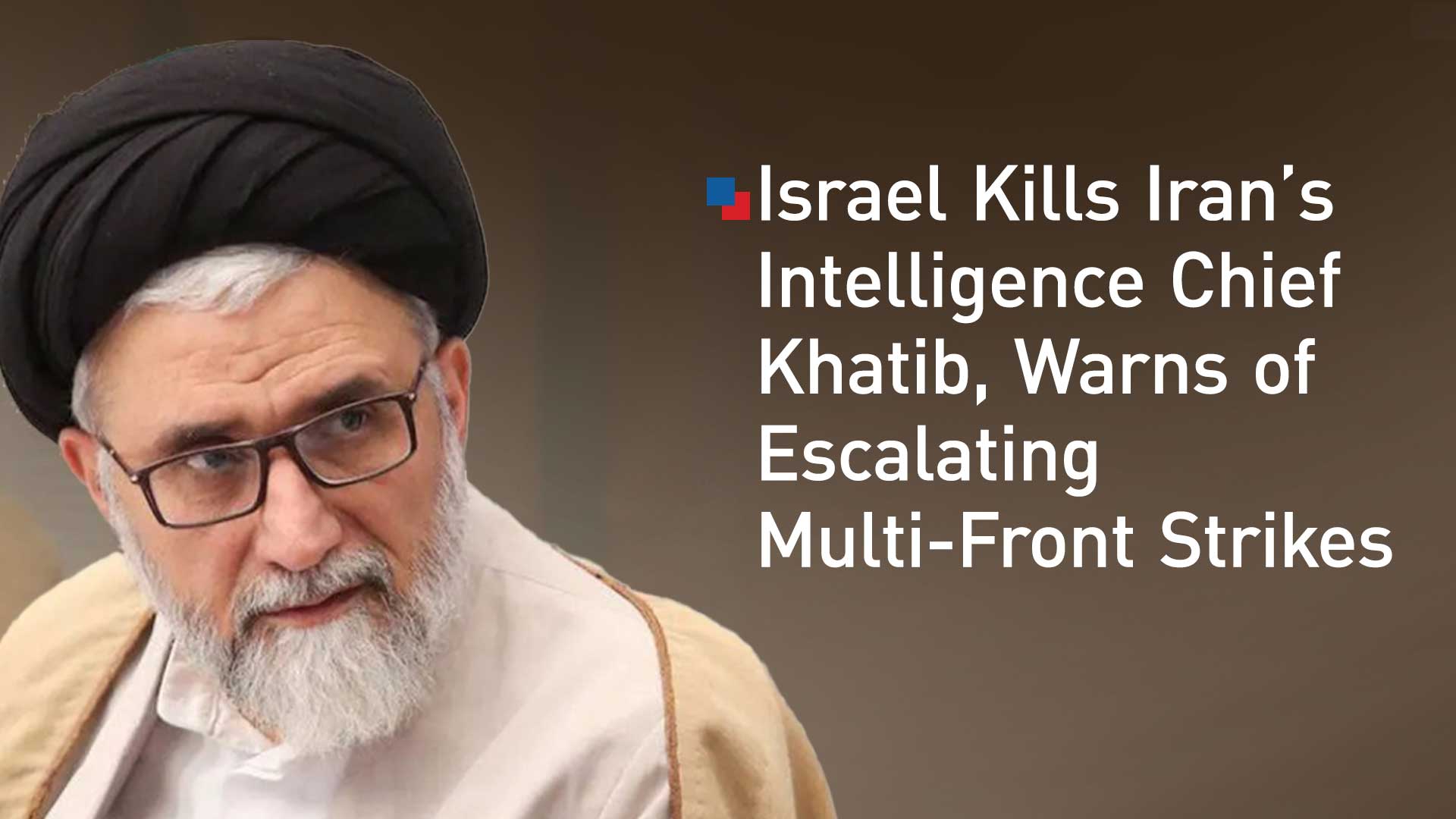
ERBIL (Kurdistan24) — Israel’s defense minister announced on Wednesday that Israeli forces had killed Iranian Intelligence Minister Esmail Khatib, marking the latest high-profile death in the escalating Middle East conflict. Israel Katz, in a statement, said, “significant surprises are expected throughout this day on all the fronts,” without providing further details.
Khatib’s killing follows Israel’s recent strikes that killed top Iranian security official Ali Larijani and the head of the paramilitary Revolutionary Guard’s Basij force.
The U.S. Treasury had sanctioned Khatib in 2022, accusing Iran’s Intelligence Ministry of cyber-enabled operations against the United States and its allies.
According to the Treasury, Khatib “directs several networks of cyber threat actors involved in cyber espionage and ransomware attacks in support of Iran’s political goals.”
The Treasury also cited serious human rights abuses under Khatib’s leadership, noting the Intelligence Ministry had cracked down on human rights defenders, women’s rights activists, journalists, filmmakers, and religious minorities, and had subjected detainees to torture in secret detention centers.
Following the killing, Iran launched attacks on its Gulf neighbors and Israel on Wednesday, using advanced missiles capable of evading air defenses. The strikes killed two people near Tel Aviv.
On the same day, Israel launched intensified operations in Lebanon, targeting Iran-backed Hezbollah militants. Multiple apartment buildings in Beirut were hit, resulting in at least a dozen deaths.
The conflict has also raised nuclear safety concerns. A projectile struck the Bushehr nuclear power plant in Iran on Tuesday night, though the International Atomic Energy Agency reported no injuries or damage.
IAEA Director-General Rafael Grossi called for “maximum restraint during the conflict to prevent risk of a nuclear accident.”
Since the United States and Israel’s initial attack on Iran on February 28, Tehran has been targeting Gulf energy infrastructure and military bases as part of a strategy to increase oil prices and pressure Washington.
The Strait of Hormuz remains tightly controlled by Tehran, raising fears of a global energy crisis. Brent crude prices have remained above $100 per barrel, up over 40% since the conflict began.
The situation underscores a widening Middle East war, with no immediate signs of de-escalation as both sides continue to strike high-value targets across the region.