Sri Lanka Rejects U.S. Request to Station Warplanes, Reaffirms Neutrality
Addressing parliament, Dissanayake stated that Washington sought permission on February 26 to relocate two aircraft from a U.S. base in Djibouti to Mattala Rajapaksa International Airport between March 4 and 8.
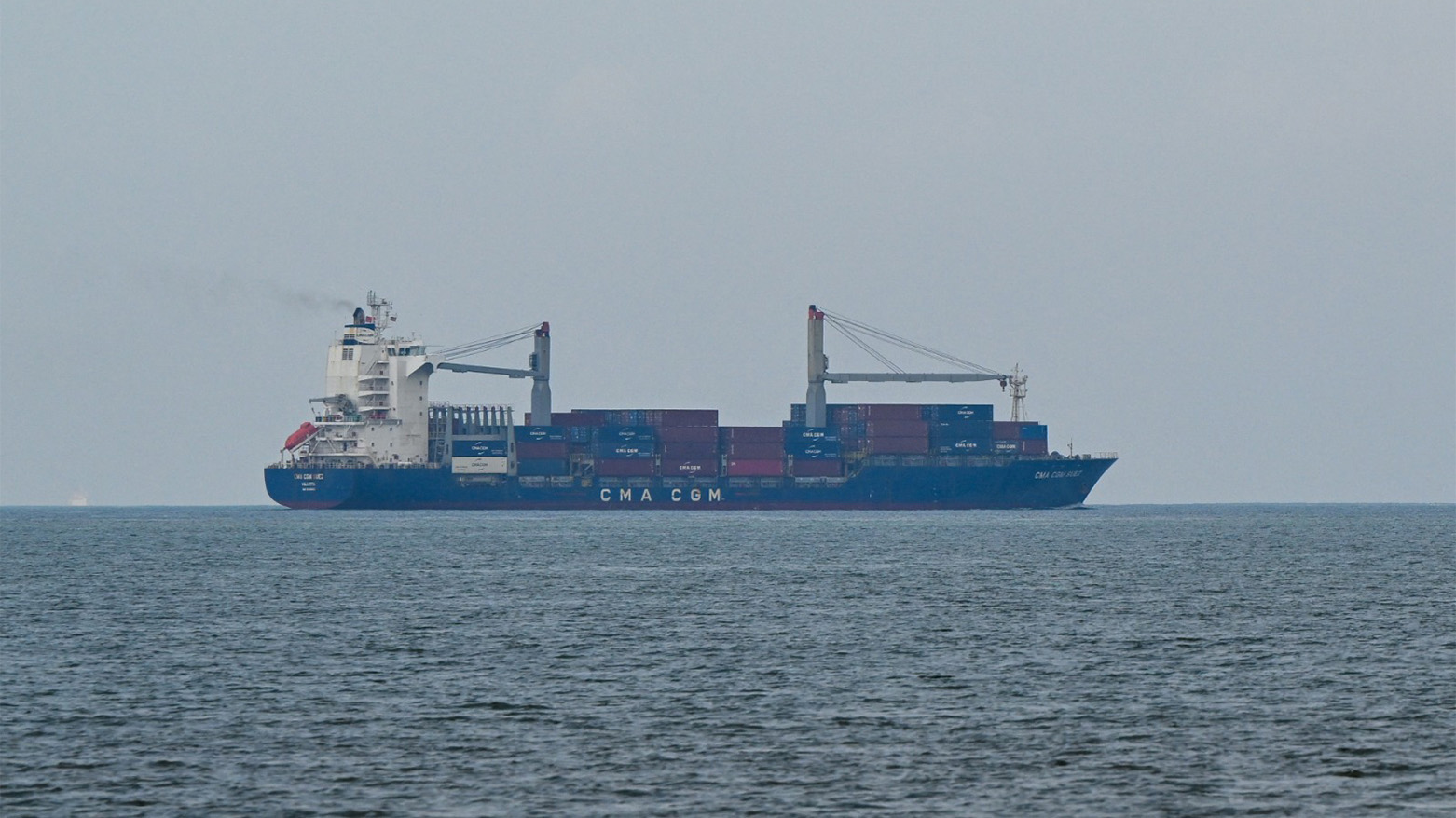
ERBIL (Kurdistan24) — Anura Kumara Dissanayake announced on Friday that Sri Lanka had rejected a U.S. request to station two missile-armed warplanes at a civilian airport earlier this month, underscoring the country's commitment to neutrality amid escalating regional tensions.
Addressing parliament, Dissanayake stated that Washington sought permission on February 26 to relocate two aircraft from a U.S. base in Djibouti to Mattala Rajapaksa International Airport between March 4 and 8. The aircraft were reportedly equipped with anti-ship missiles.
"They wanted to bring two warplanes armed with eight anti-ship missiles ... and we said 'no'," the president told lawmakers, emphasizing that Sri Lanka would not allow its territory to be used for military purposes that could benefit or harm any side.
The decision comes as the Indian Ocean island faces growing fallout from a regional conflict. Earlier in March, a U.S. submarine torpedoed the Iranian frigate IRIS Dena off Sri Lanka's coast, killing at least 84 sailors. Their remains have since been returned to Iran.
Dissanayake also revealed that Iran had simultaneously requested permission for three of its warships to dock in Colombo from March 9 to 13, following a naval exercise in India. However, the Sri Lankan government withheld approval for that request as well.
"Had we said 'yes' to Iran, we would have had to say 'yes' to the U.S. too," he said. "But we didn't. We are steadfastly maintaining our position of neutrality."
Sri Lankan military sources echoed this stance, noting that the country's foreign policy prohibits the use of its airspace or territory to launch attacks against other nations.
The president's remarks were met with applause in the 225-member legislature as he reaffirmed that Sri Lanka "will not succumb to pressure from anyone" amid intensifying geopolitical rivalries in the region.