Trump Administration Explores Diplomacy with Iran as War Enters Fourth Week
Backchannel efforts intensify amid continued fighting, with key disputes over ceasefire terms, nuclear program, and regional influence
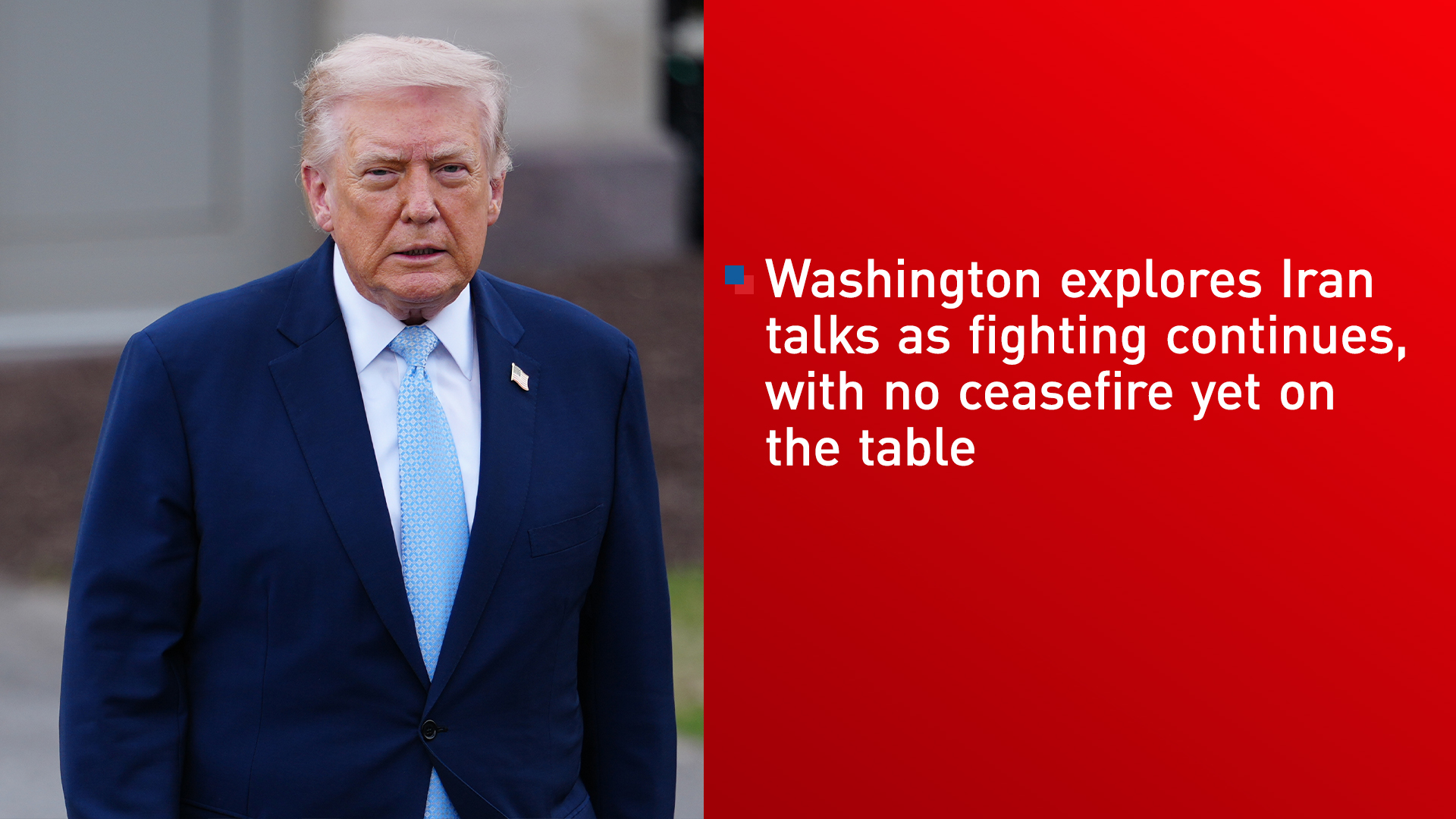
ERBIL (Kurdistan24) — As the conflict with Iran enters its fourth week, the administration of Donald Trump has begun preliminary discussions on a potential diplomatic path forward, even as U.S. officials expect fighting to continue for several more weeks, according to Axios.
According to U.S. officials and sources familiar with the matter, early-stage talks are underway within the administration regarding the next phase of the conflict and the framework for possible peace negotiations with Tehran.
While Trump said Friday he is considering “winding down” the war, officials indicate that military operations are likely to persist for an additional two to three weeks as diplomatic groundwork is laid.
Behind the scenes, senior envoys Jared Kushner and Steve Witkoff are actively involved in shaping potential negotiation strategies. Any eventual agreement is expected to address several core issues, including reopening the Strait of Hormuz, curbing Iran’s stockpile of highly enriched uranium, and establishing long-term limits on its nuclear and ballistic missile programs, as well as its support for regional proxy groups.
Despite the emerging diplomatic efforts, there has been no direct contact between Washington and Tehran in recent days. Instead, countries such as Egypt, Qatar, and the United Kingdom have facilitated indirect communication.
According to sources, these intermediaries have conveyed that Iran is open to negotiations but is insisting on stringent conditions, including an immediate ceasefire, guarantees against future attacks, and financial compensation.
U.S. officials, however, view several of these demands as unacceptable. Trump has reportedly rejected calls for reparations as a “non-starter” and has shown little willingness to agree to a ceasefire at this stage.
Still, some officials suggest there may be room for compromise, particularly regarding the potential return of frozen Iranian assets, framed in a way that could satisfy both sides politically.
Washington’s proposed framework for a deal includes sweeping conditions: a five-year halt to Iran’s missile program, zero uranium enrichment, dismantling key nuclear facilities, strict international monitoring, regional arms control measures, and an end to support for groups such as Hezbollah, the Houthis, and Hamas.
However, Iran has consistently rejected many of these demands, with officials in Tehran expressing skepticism about negotiating with a U.S. administration that has previously engaged in talks before resorting to military action.
On Saturday, Iran’s foreign minister, Abbas Araghchi, reiterated that restoring stability in the Strait of Hormuz would require the U.S. and Israel to halt attacks and commit to not resuming them.
Within the U.S. administration, efforts are now focused on identifying the most effective channel for negotiations. While Araghchi has served as a key intermediary in past talks, some Trump advisers reportedly doubt his authority to finalize agreements.
Officials are also weighing potential mediators, with Qatar emerging as a preferred option, though Doha is said to favor a behind-the-scenes role rather than acting as the primary broker.
As the conflict continues, Trump’s team is seeking to position itself for a possible diplomatic opening, preparing terms similar to those presented shortly before the war began.
Whether these efforts will lead to meaningful negotiations remains uncertain, as both sides maintain firm positions amid ongoing military escalation.