UAE Air Defenses Intercept Iranian Missiles and Drones
Saudi Arabia Reports Ballistic Threat Toward Riyadh as Regional Tensions Escalate and Gulf States Confront Iran-Linked Aerial Attacks
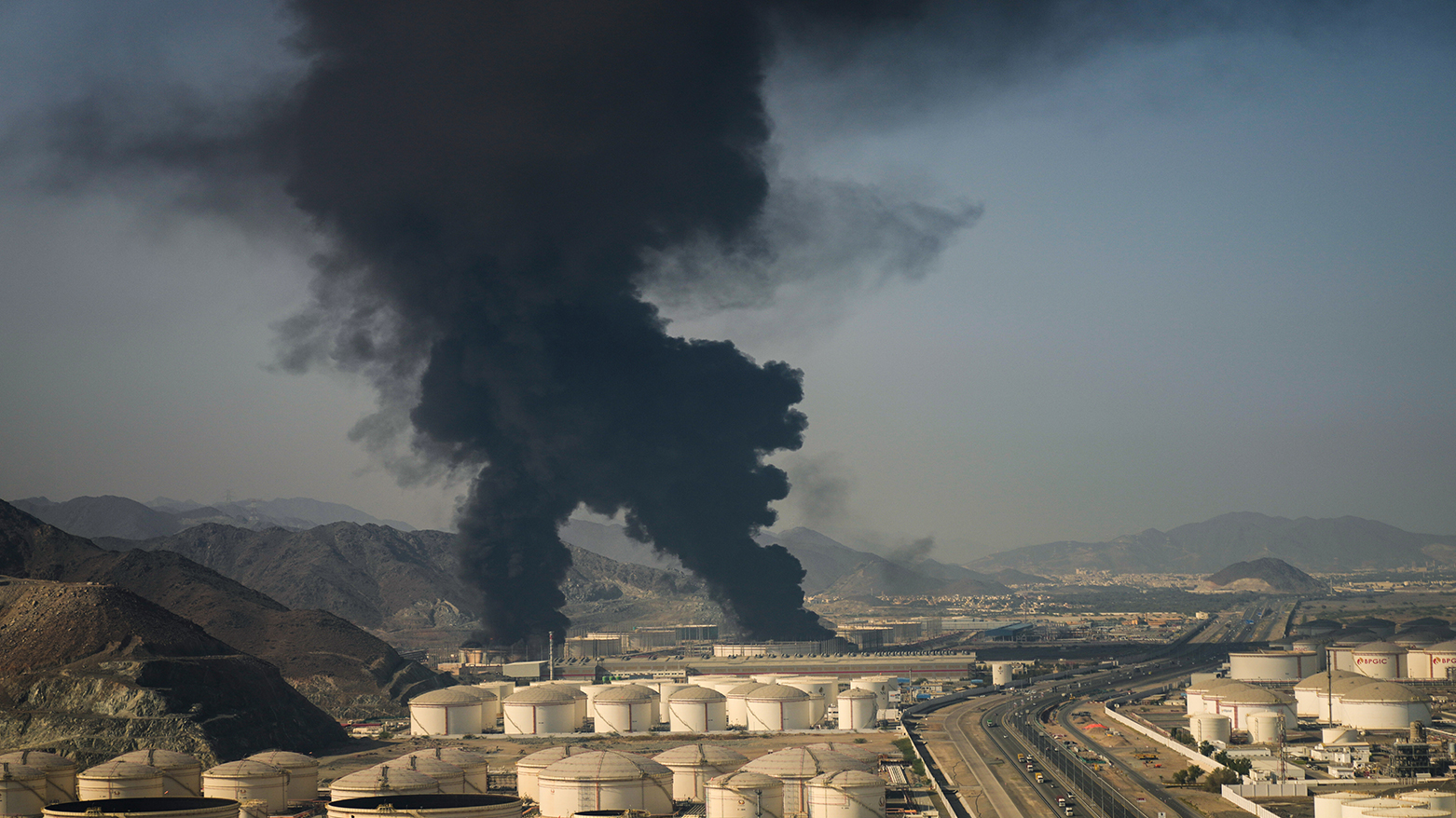
ERBIL (Kurdistan24) — The UAE Ministry of Defense announced on Sunday that its air defense systems intercepted four ballistic missiles and 25 unmanned aerial vehicles (UAVs) launched from Iran, amid what it described as ongoing “blatant Iranian aggression.”
According to a statement published on the ministry’s official account on X, the interceptions took place on March 22, as part of a broader defensive campaign that has intensified in recent weeks.
Since the onset of hostilities, UAE forces have reportedly engaged a total of 345 ballistic missiles, 15 cruise missiles, and 1,773 UAVs.
The ministry said the attacks have resulted in the deaths of two UAE armed forces personnel while carrying out their duties. Additionally, six foreign nationals—including individuals from Pakistan, Nepal, Bangladesh, and Palestine—were killed.
A total of 160 people were injured, with cases ranging from minor to severe. The injured included a wide range of nationalities, reflecting the UAE’s diverse population.
Among them were citizens from the UAE, Egypt, Sudan, Ethiopia, the Philippines, Pakistan, Iran, India, Bangladesh, Sri Lanka, Azerbaijan, Yemen, Uganda, Eritrea, Lebanon, Afghanistan, Bahrain, Comoros, Türkiye, Iraq, Nepal, Nigeria, Oman, Jordan, Palestine, Ghana, Indonesia, Sweden, and Tunisia.
The UAE Ministry of Defense emphasized that its forces remain on high alert and fully prepared to counter any threats, pledging to “firmly confront any attempts to undermine State security” while safeguarding national sovereignty and stability.
Separately, the Saudi Arabian Ministry of Defense on Sunday reported detecting the launch of three ballistic missiles toward the Riyadh region. According to the ministry’s official spokesperson, one missile was successfully intercepted, while the other two fell in uninhabited areas, avoiding casualties.
The Saudi statement, also posted on X, further confirmed the interception and destruction of a drone in the country’s Eastern Province.
These developments come amid a broader escalation between Iran and regional actors, with Gulf states increasingly relying on advanced air defense systems to counter missile and drone threats.
The intensifying exchanges highlight growing concerns over regional security and the potential for further destabilization across the Middle East.
Earlier in the day, Saudi Arabia ordered five Iranian diplomatic staff to leave the kingdom within 24 hours after declaring them persona non grata, citing the ongoing missile and drone attacks launched from Iran.
According to the Saudi Foreign Ministry, those expelled include Iran’s military attaché, his assistant, and three additional embassy staff members. The ministry warned that continued Iranian aggression would carry “significant consequences” for bilateral relations, underscoring the risk of further escalation and a deepening rupture in already strained diplomatic ties.
Saudi Foreign Minister Faisal bin Farhan Al Saud sharply criticized Tehran’s regional posture, accusing it of deliberately targeting neighboring states and rejecting diplomatic engagement.
Speaking after a meeting of Arab and Islamic foreign ministers, he said Iran “doesn’t believe in dialogue” and instead seeks to exert pressure through military means, adding that the kingdom “will not succumb to pressure” and reserves the right to respond if necessary.
He also dismissed Iranian claims linking the attacks to the presence of U.S. military bases as “unconvincing,” asserting the strikes were premeditated.
The move follows a similar step by Qatar, which recently expelled Iranian military and security attachés, signaling a broader hardening of Gulf positions and raising concerns over a widening regional confrontation.