Ukraine Drone Strike Hits Major Russian Oil Refinery
A major oil refinery in Russia's Ryazan region was set ablaze after Ukrainian drone strikes as part of a wider overnight assault on Russian territory. Russia said it intercepted 355 drones, underscoring an escalating cycle of long-range aerial attacks and retaliation.
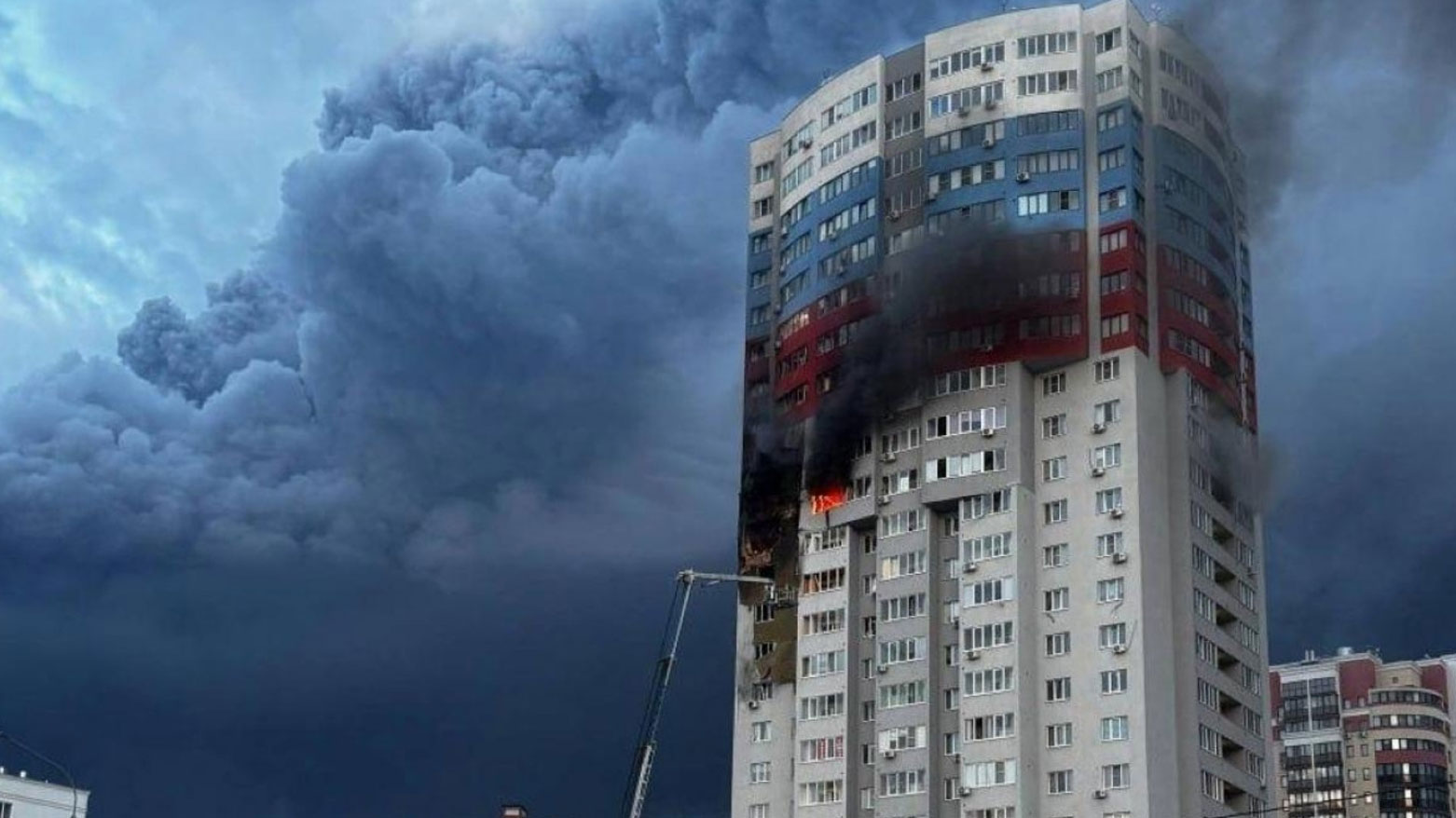
ERBIL (Kurdistan24) - A massive fire engulfed a major oil refinery in western Russia following a large-scale Ukrainian drone attack, according to the Kyiv Independent. The overnight blitz reportedly targeted multiple regions and struck critical military and energy infrastructure, highlighting a sharp escalation in cross-border aerial warfare.
The reported fire at the Ryazan Oil Refinery, one of Russia's largest petroleum facilities, underscores Ukraine's growing capacity to strike deep into Russian territory.
According to the Kyiv Independent, local residents reported hearing the approach of several drones followed by multiple explosions near the facility. Plumes of smoke remained visible over the city well into the morning hours.
The strike holds significant military value as the refinery, which produces over 17 million tons of oil annually, is a crucial node for fueling Russian military operations.
The drone assault on Ryazan was part of a much broader campaign that hit multiple Russian oblasts.
The Kyiv Independent noted that the operation reflects Ukraine's intent to systematically disrupt Moscow's energy revenues, which finance the Kremlin's war effort.
The multi-target nature of the strikes, which reportedly included air defense systems and military aircraft in other regions, demonstrates Ukraine's evolving strategy of conducting sustained, long-range asymmetrical attacks against Russian infrastructure.
The intensification of these Ukrainian strikes occurs within a broader context of massive, reciprocal aerial bombardments.
According to reports from Agence France-Presse (AFP), Russia claimed to have intercepted 355 Ukrainian drones targeting several regions overnight.
This immense scale of air defense activity followed a devastating Russian missile and drone barrage on the Ukrainian capital, Kyiv, which killed at least 24 people.
The AFP noted that despite a brief diplomatic ceasefire brokered earlier in the month, the current operational reality is defined by escalating, high-intensity drone warfare, leaving little room for immediate de-escalation.
Ryazan Refinery Fire Reported
The Ukrainian operation against the Ryazan facility represents a targeted economic blow.
According to the Kyiv Independent, the attack severely compromised the refinery, though the full extent of the structural damage remains unclear.
The Ukrainian outlet reported that photos and videos posted on social media corroborated the accounts of a large-scale fire emanating from the complex.
The strikes on Ryazan, located approximately 180 kilometers southeast of Moscow, also resulted in civilian casualties.
AFP cited Russian officials, including Ryazan Governor Pavel Malkov, who stated that Ukrainian drone strikes hit an apartment block and industrial facilities in the city.
According to Malkov's statement to AFP, the attacks killed four people, including a child, and left at least 12 others injured. Russia's Investigative Committee told the French news agency that it had opened a terrorism probe, claiming the strikes targeted "residential and civilian infrastructure."
The Kyiv Independent reported that the operation was not limited to Ryazan.
According to the Ukrainian outlet, the long-range drone strikes also successfully targeted a Beriev Be-200 Altair aircraft and a Ka-27 helicopter in the Russian city of Yeysk.
Furthermore, the Unmanned Systems Forces claimed to have struck a Tor-M2 air defense system in the occupied Luhansk Oblast and a Pantsir-S1 system in occupied Crimea.
However, the Kyiv Independent noted that it could not immediately verify these specific battlefield claims, and the Ukrainian military had not yet issued formal comments on the strikes.
Russia Claims Large-Scale Drone Interception
The scale of the Ukrainian drone deployment prompted an enormous response from Russian air defenses.
AFP reported that the Russian Defense Ministry claimed to have shot down more than 300 Ukrainian drones overnight. According to a statement from the ministry cited by AFP, "aerial defence systems intercepted and destroyed 355 Ukrainian drones" between Thursday evening and early Friday morning.
The Russian military stated that the drones targeted Moscow, as well as the border regions of Belgorod, Bryansk, and Kursk. The defense of the capital region was particularly active.
According to the Kyiv Independent, Moscow Mayor Sergiy Sobyanin reported that five Ukrainian drones were downed while approaching the city just before midnight.
The Ukrainian outlet noted that the aerial threat forced Moscow's Domodedovo and Sheremetyevo airports to initiate temporary ground halts.
Wider War Developments
The Ukrainian drone blitz followed a catastrophic Russian assault on Kyiv.
According to AFP, a massive Russian missile and drone attack pummeled the Ukrainian capital on Thursday, killing at least 24 people and wounding 47.
Ukrainian emergency services told AFP that the attack leveled a residential block from the first to the ninth floor, resulting in chaotic rescue scenes as workers pulled bodies from the rubble.
Ukrainian President Volodymyr Zelensky stated that 20 sites in the capital were damaged, including schools and civilian infrastructure.
In an evening address cited by AFP, Zelensky confirmed that he had instructed the Ukrainian military to prepare "possible formats for our response."
The subsequent strikes on Ryazan and other Russian territories align with this directive for retaliation.
Despite the intensity of the aerial bombardment, a degree of bilateral coordination occurred regarding prisoners of war.
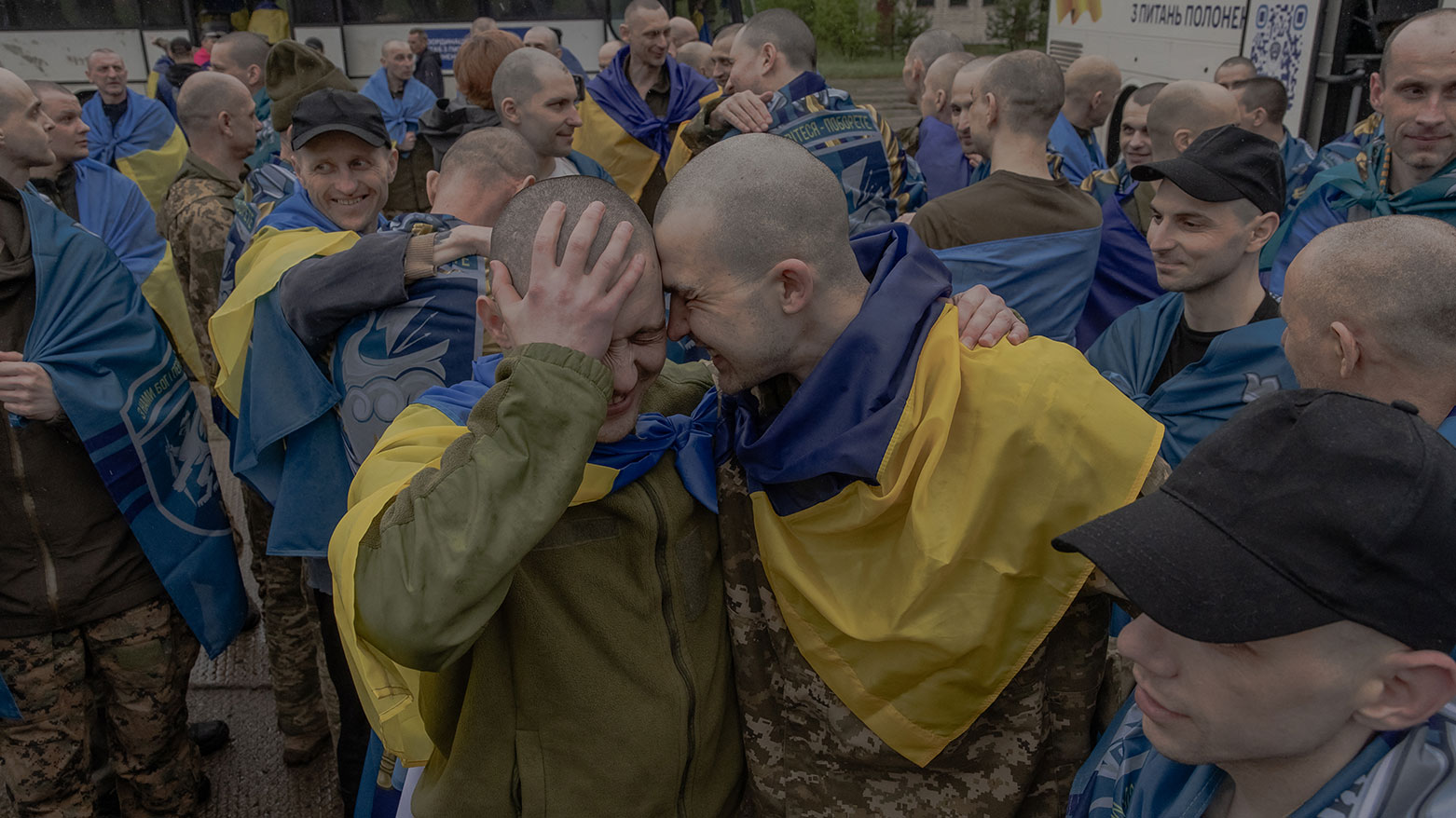
Russia and Ukraine exchanged 205 prisoners of war each on May 15, Moscow and Kyiv said, a week after US President Donald Trump announced a large swap would take place between the warring sides. (AFP)
AFP reported that Russia and Ukraine successfully swapped 205 prisoners each on Friday.
The exchange is part of a larger agreement brokered by the United States that aims to swap 1,000 detainees from each warring side.
Zelensky confirmed via Telegram that this was the first phase of the larger exchange, noting that many of the released Ukrainians had been in Russian captivity since 2022, including defenders of Mariupol and Chernobyl.
The Russian defense ministry stated that its released troops were brought to Belarus for psychological and medical assistance.
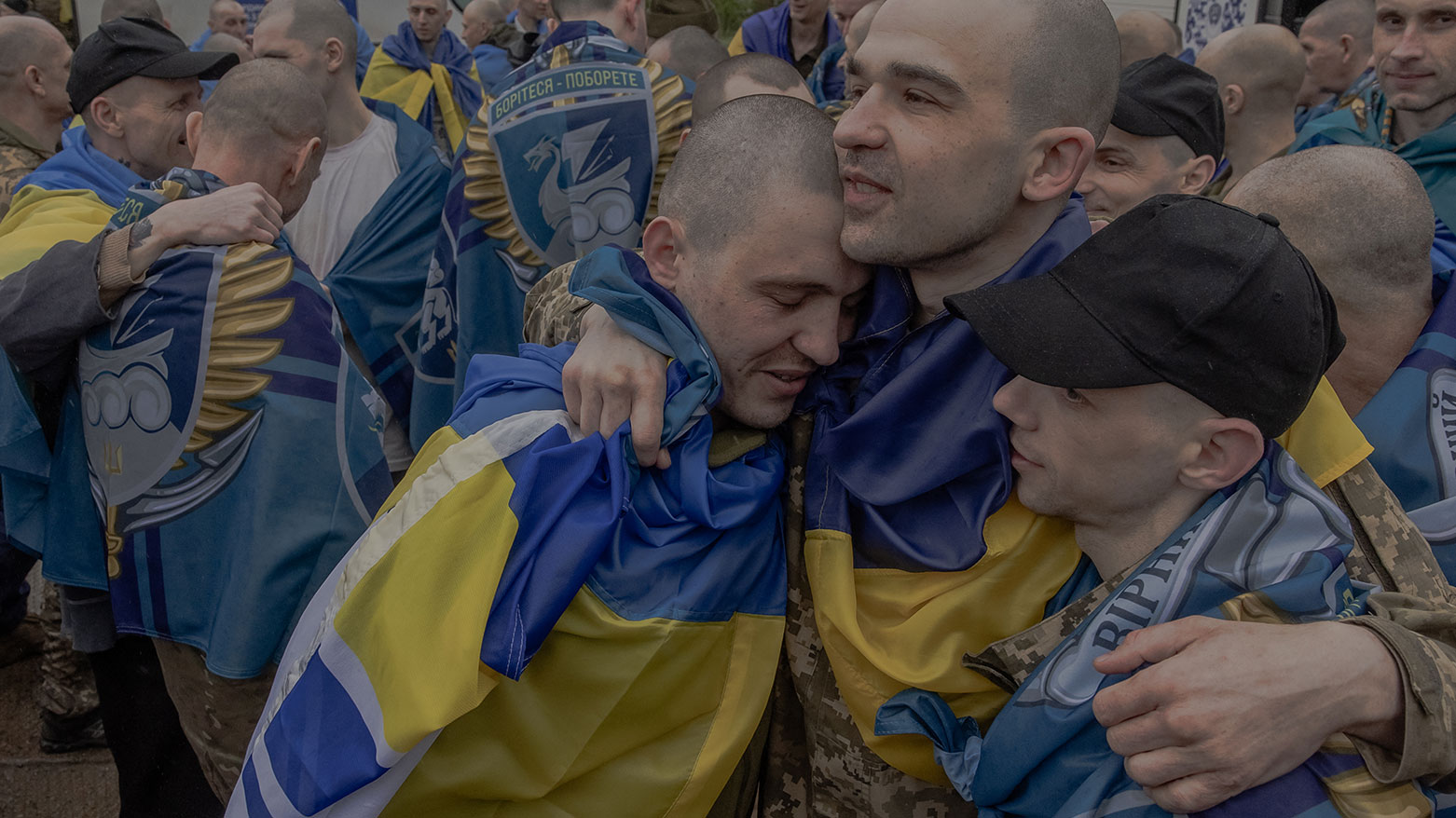
Russia and Ukraine exchanged 205 prisoners of war each on May 15, Moscow and Kyiv said, a week after US President Donald Trump announced a large swap would take place between the warring sides. (AFP)
Ongoing Escalation in Drone Warfare
The reciprocal strikes highlight the increasing reliance on unmanned aerial vehicles by both militaries.
AFP reported that Ukraine's air force claimed Russia launched 675 attack drones and 56 missiles, primarily at Kyiv, over a two-day period. The Ukrainian military stated it had successfully intercepted 652 of those drones and 41 missiles.
Ukraine's strategic targeting of Russian infrastructure has reached new levels of intensity.
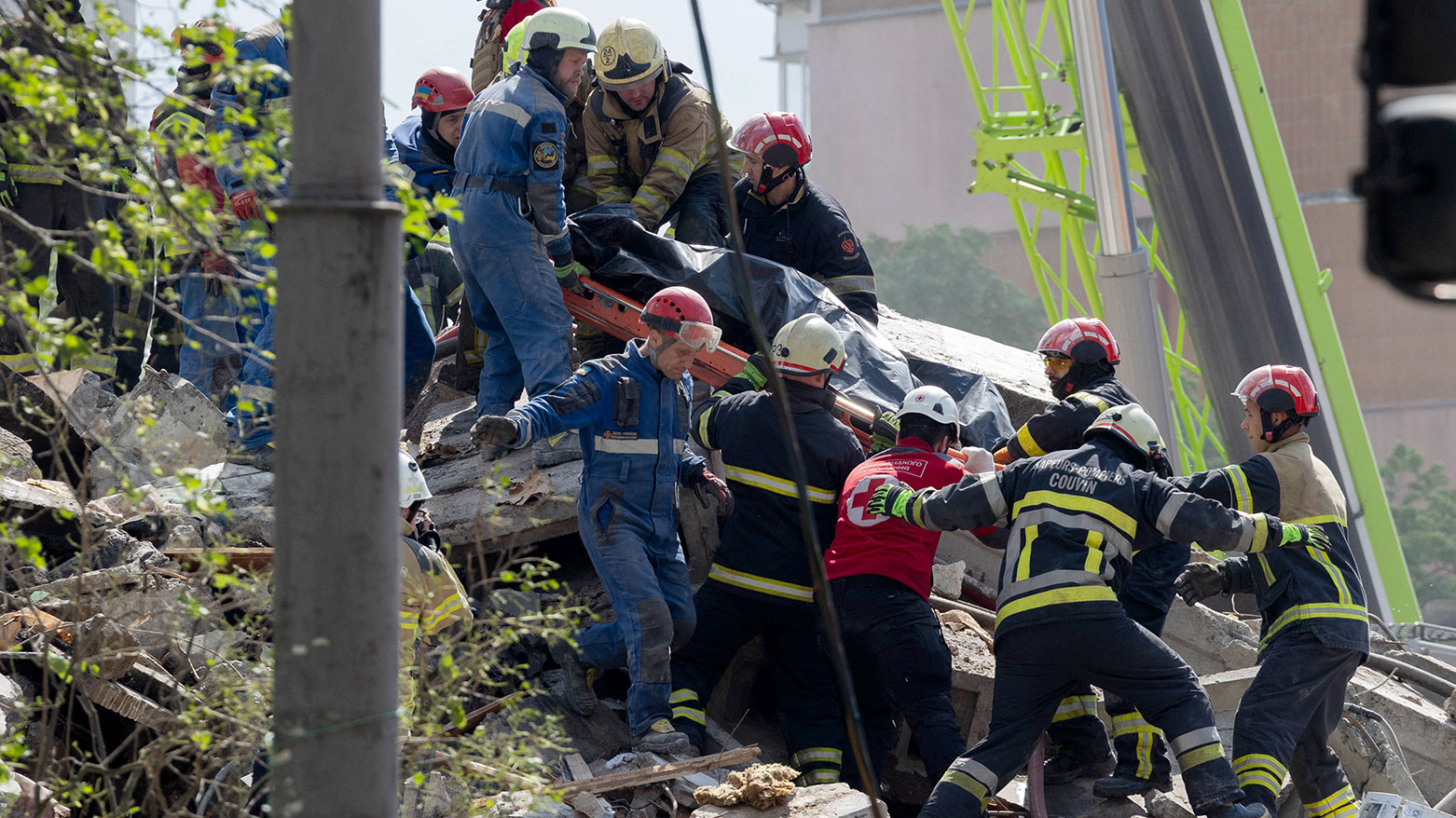
Ukraine's capital came under heavy aerial attack early on May 14, an AFP journalist reported, as Kyiv's mayor said Russia was striking the city. (AFP)
According to data cited by the Kyiv Independent, Ukrainian strikes on Russian oil and gas infrastructure reached a four-month high in April, with at least 21 recorded attacks on refineries and pipelines.
Hanna Notte, a security expert quoted by the Ukrainian outlet, observed that "Ukraine has clearly gained an ability to inflict pain on Russia in a way they couldn't previously," assessing that this capability is now a permanent feature of the conflict.
The strategic use of drones allows Ukraine to bypass traditional front lines and strike deep into Russian territory, forcing Moscow to expend significant resources on domestic air defense.
Conversely, Russia's deployment of hundreds of drones simultaneously is designed to overwhelm Ukrainian interceptor networks, maximizing the impact of its ballistic missiles.
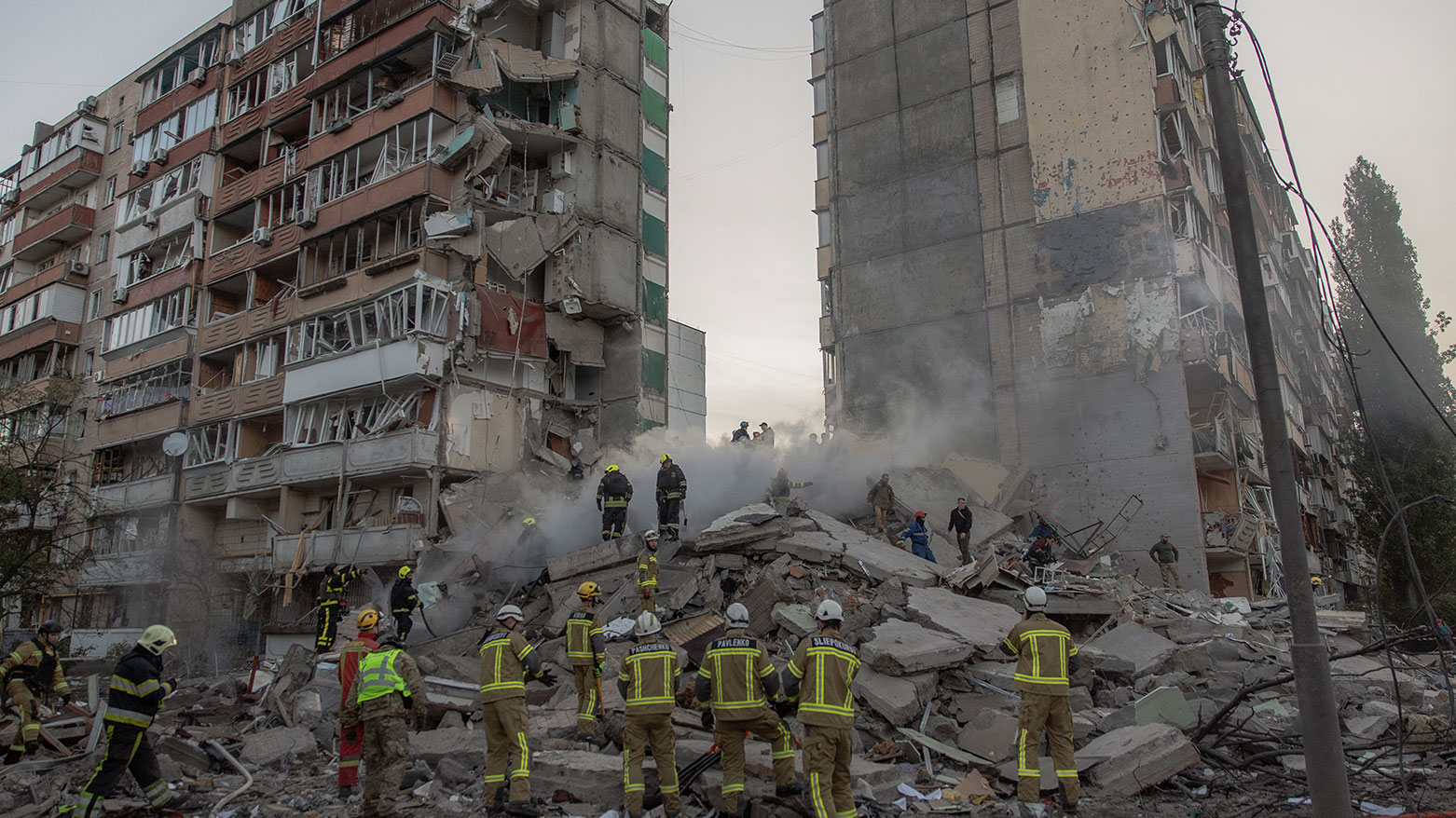
Ukraine's capital came under heavy aerial attack early on May 14, an AFP journalist reported, as Kyiv's mayor said Russia was striking the city. (AFP)