Iran Says Strait of Hormuz Remains Open, Blames US for Shipping Disruptions
Foreign minister urges “respect” amid rising tensions over maritime security and trade
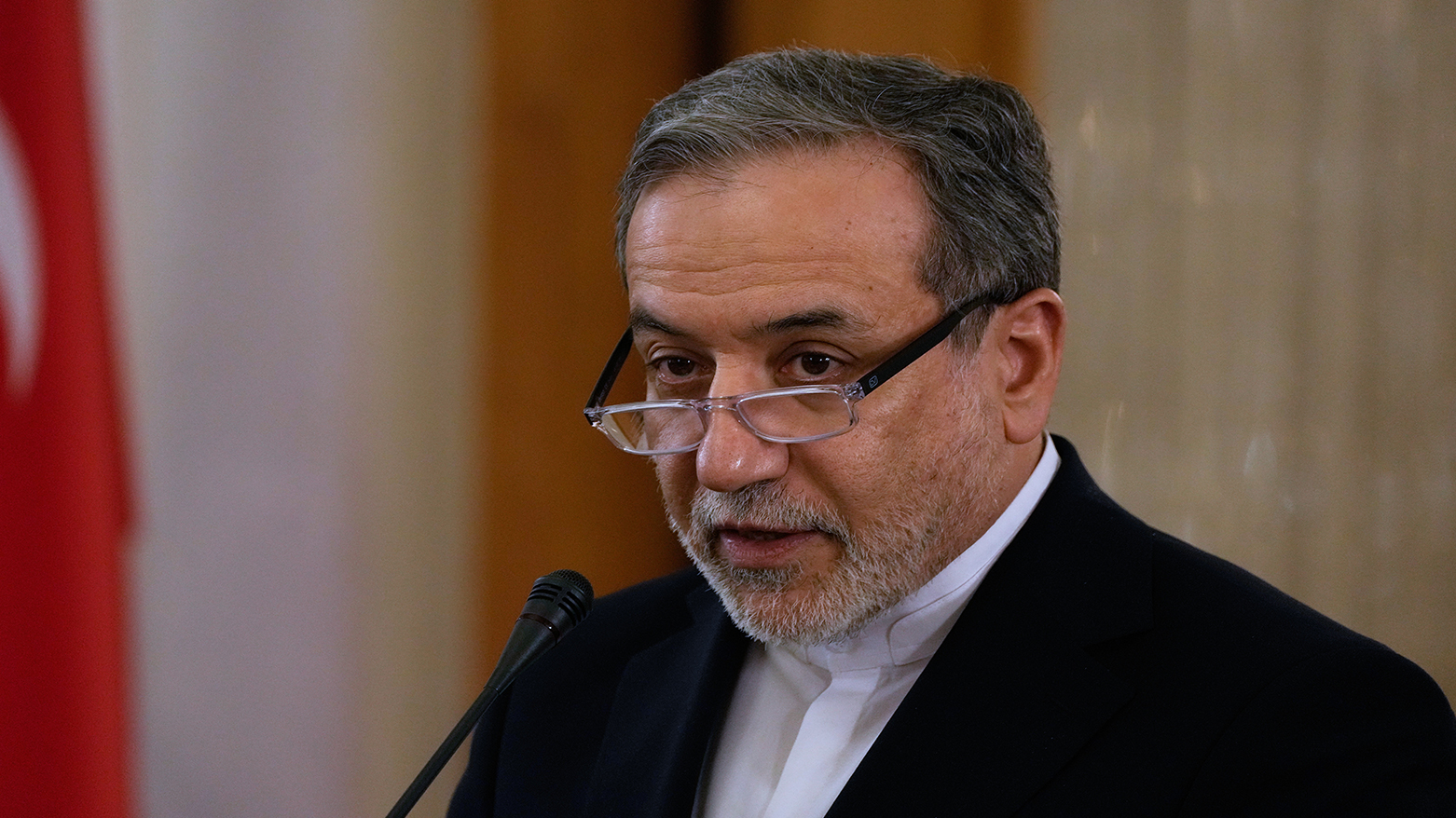
ERBIL (Kurdistan24) — Abbas Araghchi said on Sunday that the Strait of Hormuz remains open, rejecting claims of a full blockade and attributing disruptions in maritime traffic to fears driven by the ongoing conflict.
In a statement posted on X, Araghchi argued that hesitation among shipping companies stems from insurance concerns linked to what he described as a “war of choice” initiated by the United States, rather than any direct Iranian action to close the vital waterway.
“Ships hesitate because insurers fear the war of choice you initiated—not Iran,” he said, emphasizing that the situation in the strait reflects broader instability rather than a deliberate shutdown by Tehran.
The Iranian foreign minister also dismissed the impact of further threats, stating that neither insurers nor Iran would be influenced by escalatory rhetoric.
“No insurer—and no Iranian—will be swayed by more threats. Try respect,” he added, calling for a shift in tone from Washington.
Araghchi further linked maritime access to broader economic principles, asserting that “freedom of navigation cannot exist without freedom of trade,” and warning that both could be undermined if mutual respect is not maintained.
His remarks come amid heightened tensions in the Gulf, as the Strait of Hormuz—through which a significant share of global oil and gas supplies passes—has become a focal point of the ongoing confrontation between Iran and the United States, raising concerns over global energy markets and shipping security.
Trump, under pressure from rising global fuel prices, posted on Truth Social early Sunday that the U.S. would “obliterate” Iranian power plants if Tehran did not lift its de facto blockade of the strait within 48 hours.
Later in the day, Iran vowed to “irreversibly” destroy key infrastructure across the Middle East if Donald Trump carried out his threat to target Iranian power plants, escalating fears of a broader regional confrontation.
Tehran also warned it would fully close the Strait of Hormuz, effectively halting oil and gas traffic, should the ultimatum be executed.