Israel Expands Strikes on Iran as Energy Crisis Deepens and Regional Retaliation Threats Escalate
Oil prices surge past $100 as attacks on critical infrastructure disrupt global supply and heighten fears of wider Middle East war
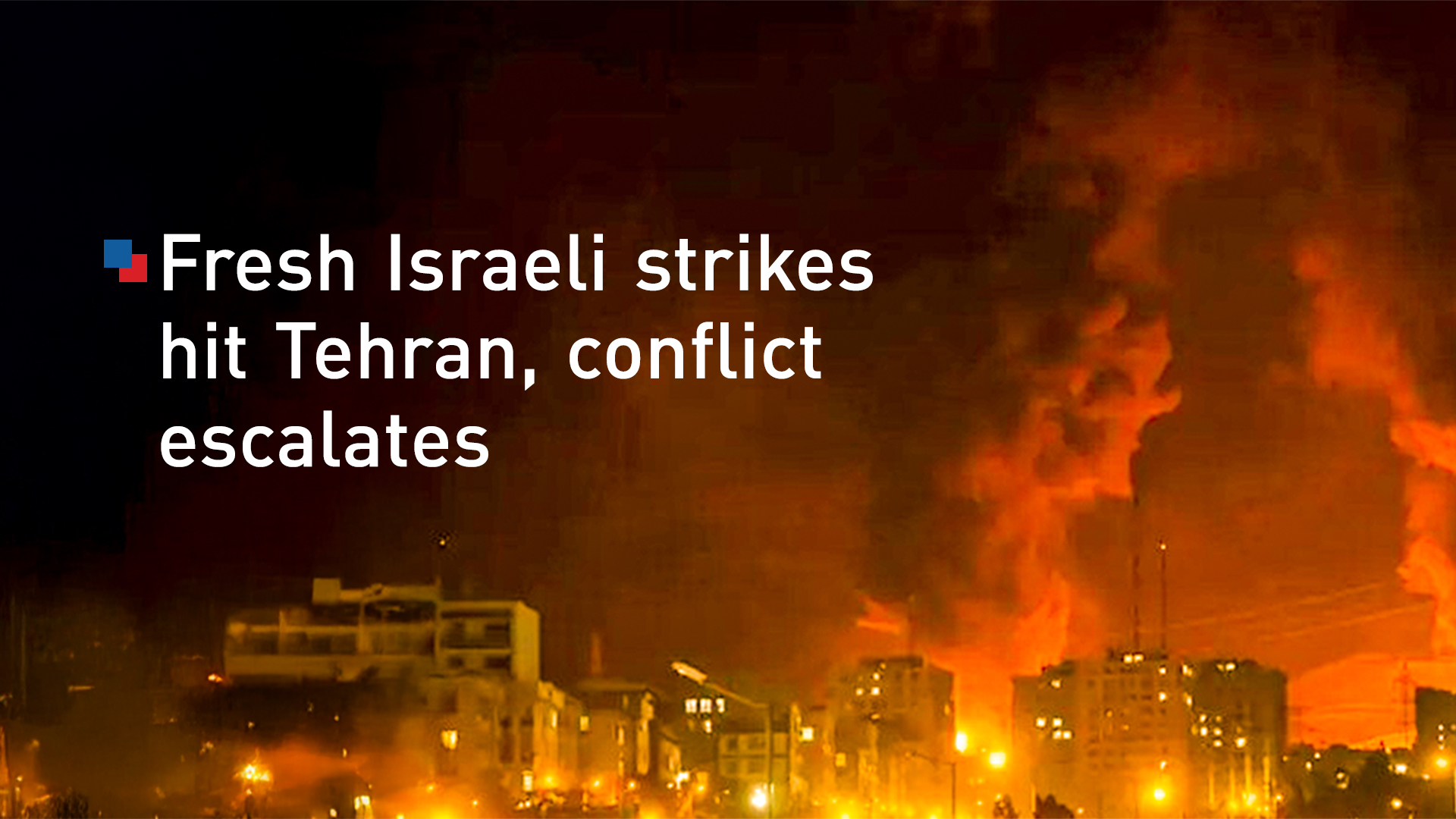
ERBIL (Kurdistan24) — Israel launched a fresh wave of airstrikes against Iran early Monday, triggering explosions in Tehran and intensifying a conflict that has already disrupted global energy markets and raised the risk of a broader regional war.
Iranian media outlets, including Mehr and Fars, reported multiple explosions across the capital, with airstrikes targeting at least five different areas. Thick plumes of fire and black smoke were seen rising over eastern Tehran more than an hour after the initial strikes, according to eyewitness accounts.
In a statement posted on Telegram, Israel’s military said it had initiated a “wide-scale wave of strikes targeting Iranian terror regime infrastructure in Tehran.”
The escalation comes as tensions between Iran and Israel—now involving direct U.S. participation—enter their fourth week, with both sides expanding the scope of their attacks beyond military targets to critical infrastructure.
Iran has responded in recent weeks with missile and drone strikes targeting Israel, U.S. diplomatic facilities, and key Gulf energy sites. The confrontation has increasingly spilled into neighboring countries, with Saudi Arabia and the United Arab Emirates confirming they intercepted incoming projectiles on Monday, underscoring the widening geographic scope of the conflict.
A strike on a broadcasting facility in southern Iran further highlighted the intensity of the campaign. Iranian state television reported that an attack on the Persian Gulf Radio and Television Centre killed at least one person and injured another.
Authorities described the strike as a violation of international law, attributing it to what they termed a joint “American-Zionist” operation.
The most profound global impact, however, has been felt in energy markets. According to Fatih Birol, head of the International Energy Agency, at least 40 energy facilities across the oil- and gas-rich Middle East have been severely damaged.
The disruptions have removed approximately 11 million barrels of oil per day from global supply—surpassing losses recorded during the oil shocks of the 1970s.
Oil prices have surged above $100 per barrel amid fears of prolonged supply shortages, as Iran has effectively restricted maritime traffic through the Strait of Hormuz, a chokepoint through which roughly one-fifth of the world’s crude oil supply passes.
The United States has responded with escalating rhetoric. Donald Trump warned that Washington would “obliterate” Iranian power infrastructure unless Tehran restores full navigation through the strait within a 48-hour deadline. The ultimatum, issued via social media, set a deadline late Monday GMT.
Tehran, however, has rejected the warning. Mohammad Bagher Ghalibaf vowed that any U.S. military action would trigger a sweeping retaliation targeting vital infrastructure across the region. He warned such assets would be considered “legitimate targets” and could be “irreversibly destroyed.”
The current escalation reflects a dangerous turning in the longstanding shadow conflict between Iran and Israel, which for years was largely confined to covert operations, cyberattacks, and proxy engagements across Syria, Iraq, and Lebanon.
The direct exchange of strikes on homeland territories marks a significant departure, increasing the likelihood of a sustained conventional conflict.
Analysts warn that the war now carries systemic risks for the global economy. With supply chains strained, energy prices rising sharply, and key maritime routes under threat, governments worldwide face mounting pressure to coordinate a response.
“No country will be immune to the effects of this crisis if it continues in this direction,” Birol said, calling for urgent international efforts to stabilize the situation.
As both sides signal readiness for further escalation, the conflict shows little sign of de-escalation, leaving global markets—and regional stability—on an increasingly fragile footing.